Attractions & Natural Wonders · Western Sahara
Western Sahara: Four Attractions and Natural Wonders
A vast, sparsely populated stretch of the Sahara along the Atlantic coast, and a lagoon town that has become an internationally known kitesurfing destination, in a territory whose political status remains unresolved
By Worldlore Editorial · 30 September 2026
A vast desert territory with an unresolved political status
Western Sahara, a sparsely populated stretch of the Sahara along Africa's northwest Atlantic coast, remains one of the world's few territories without an internationally settled political status. Morocco controls about 70 per cent of the territory (including all the areas described below) and considers it part of Morocco, while the Polisario Front, backed by Algeria, controls the rest and seeks independence for the Sahrawi people through the self-proclaimed Sahrawi Arab Democratic Republic, whose government works largely from refugee camps near Tindouf in Algeria. A UN-brokered ceasefire agreed in 1991 held until November 2020, when the Polisario Front declared it over, and the promised referendum on the territory's status has never taken place.
The four sights below are all located in the Moroccan-administered coastal areas, where a small tourism industry operates. Read the note at the end for context on the territory's status before planning any visit.
1. Laayoune
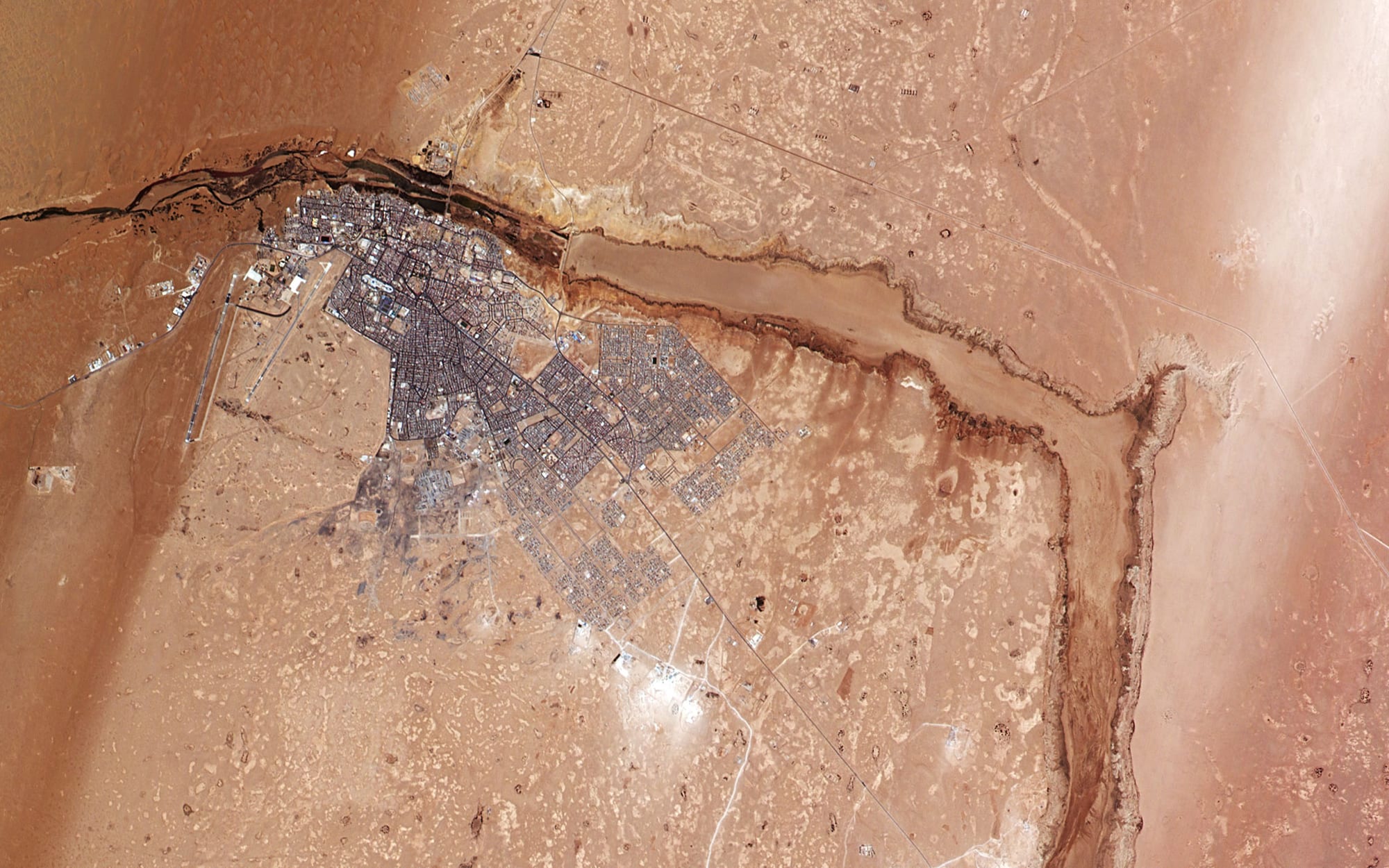
Laayoune, the largest city in Western Sahara, serves as the territory's administrative and commercial centre under Moroccan administration, with the Cathedral of St Francis of Assisi (built in 1954, during the Spanish colonial period that preceded Moroccan control) standing alongside newer development driven by phosphate mining at nearby Bou Craa and fishing, the territory's main industries.
2. The Sahara Desert landscape
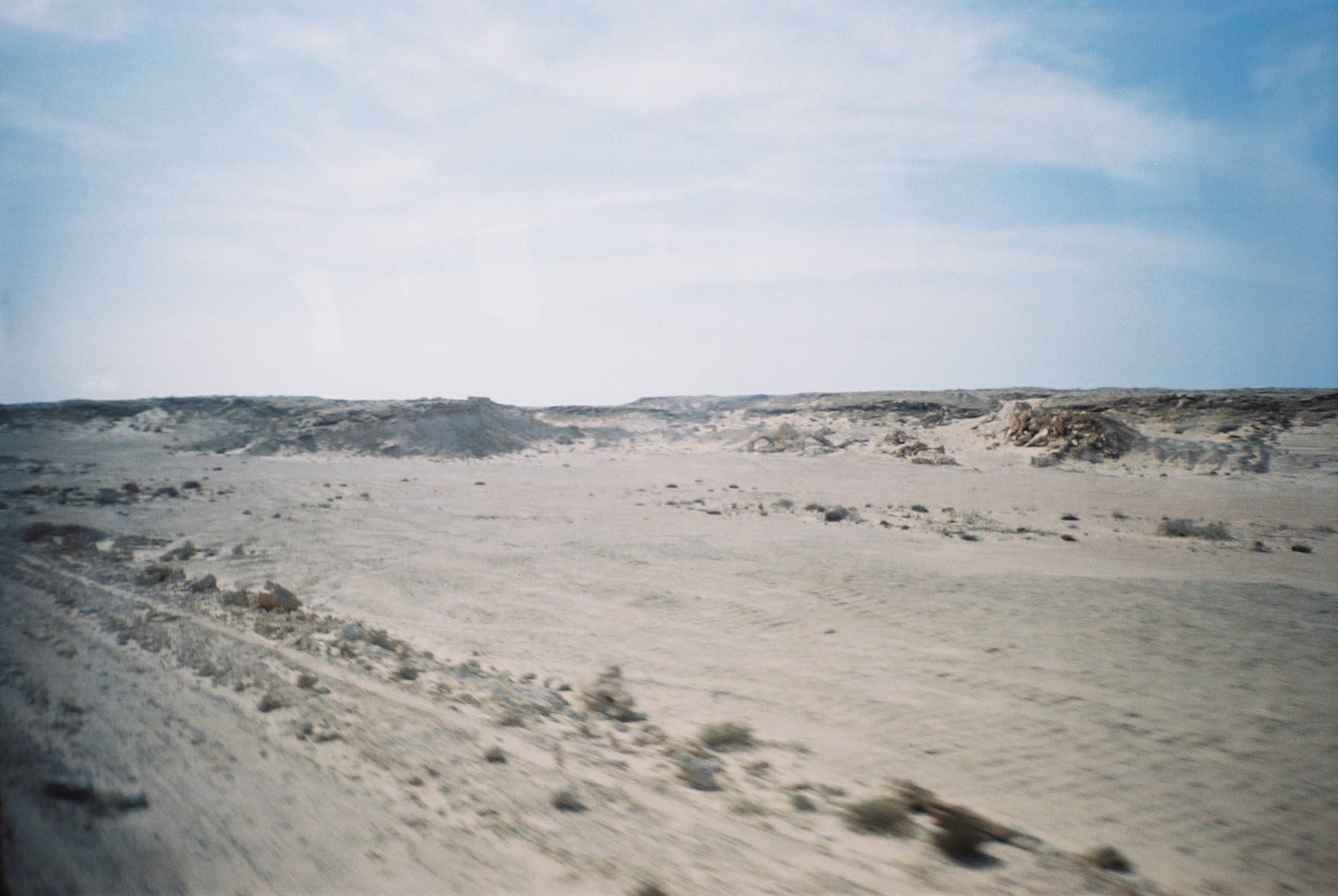
Western Sahara's interior is dominated by vast, sparsely populated desert — the territory is the most sparsely populated in Africa and the second most sparsely populated in the world after Greenland — its landscape shaped as much by its position on historic caravan routes across the Sahara as by its more recent and unresolved political history.
3. The desert interior
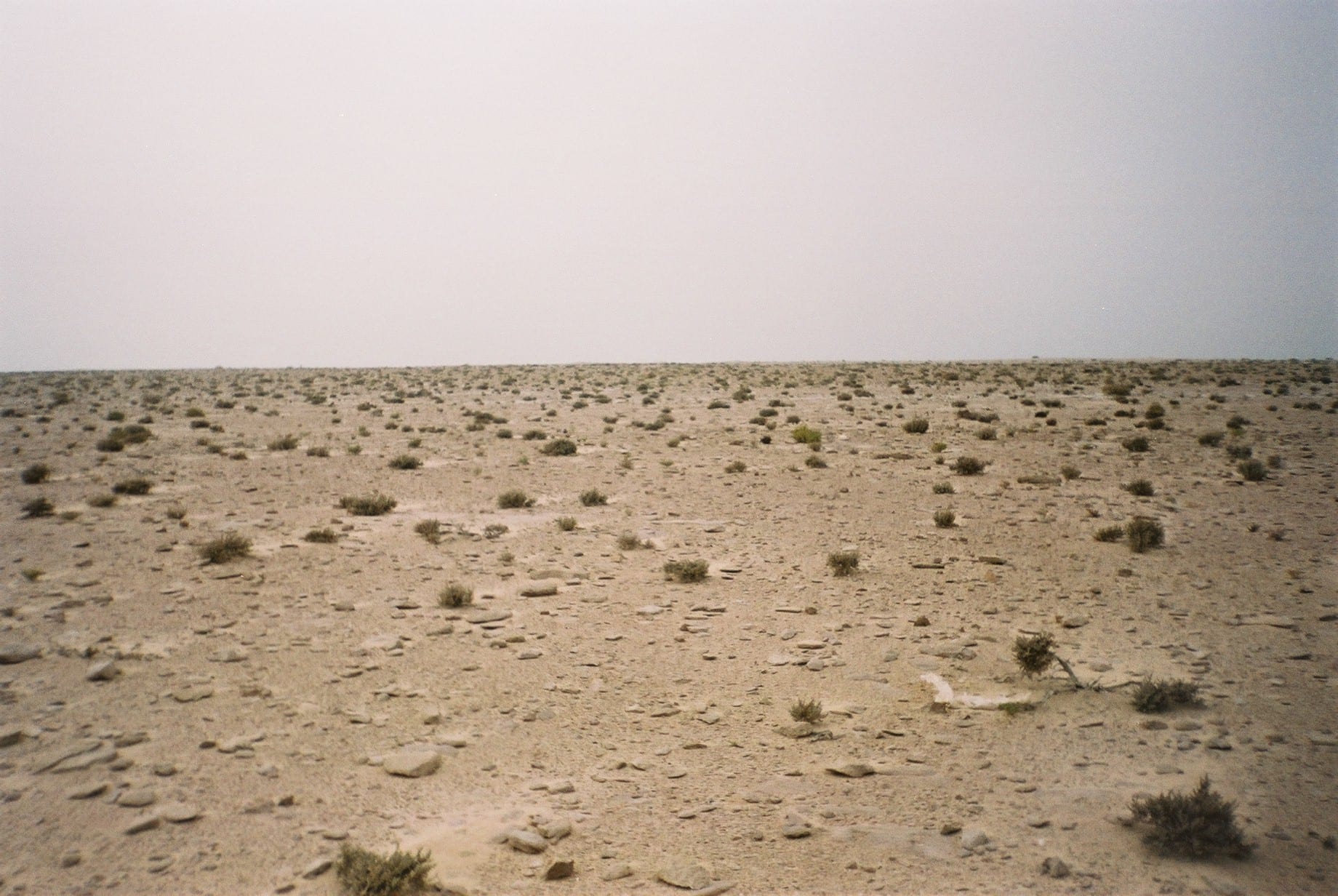
Much of Western Sahara's vast interior remains essentially uninhabited, its terrain ranging from rocky plateaus to open desert, crossed historically by nomadic Sahrawi communities whose traditional way of life has been significantly disrupted by the territory's decades-long political dispute and the berm, a mined defensive sand wall some 2,700 kilometres long that divides Moroccan-controlled areas from those controlled by the Polisario Front.
4. Dakhla
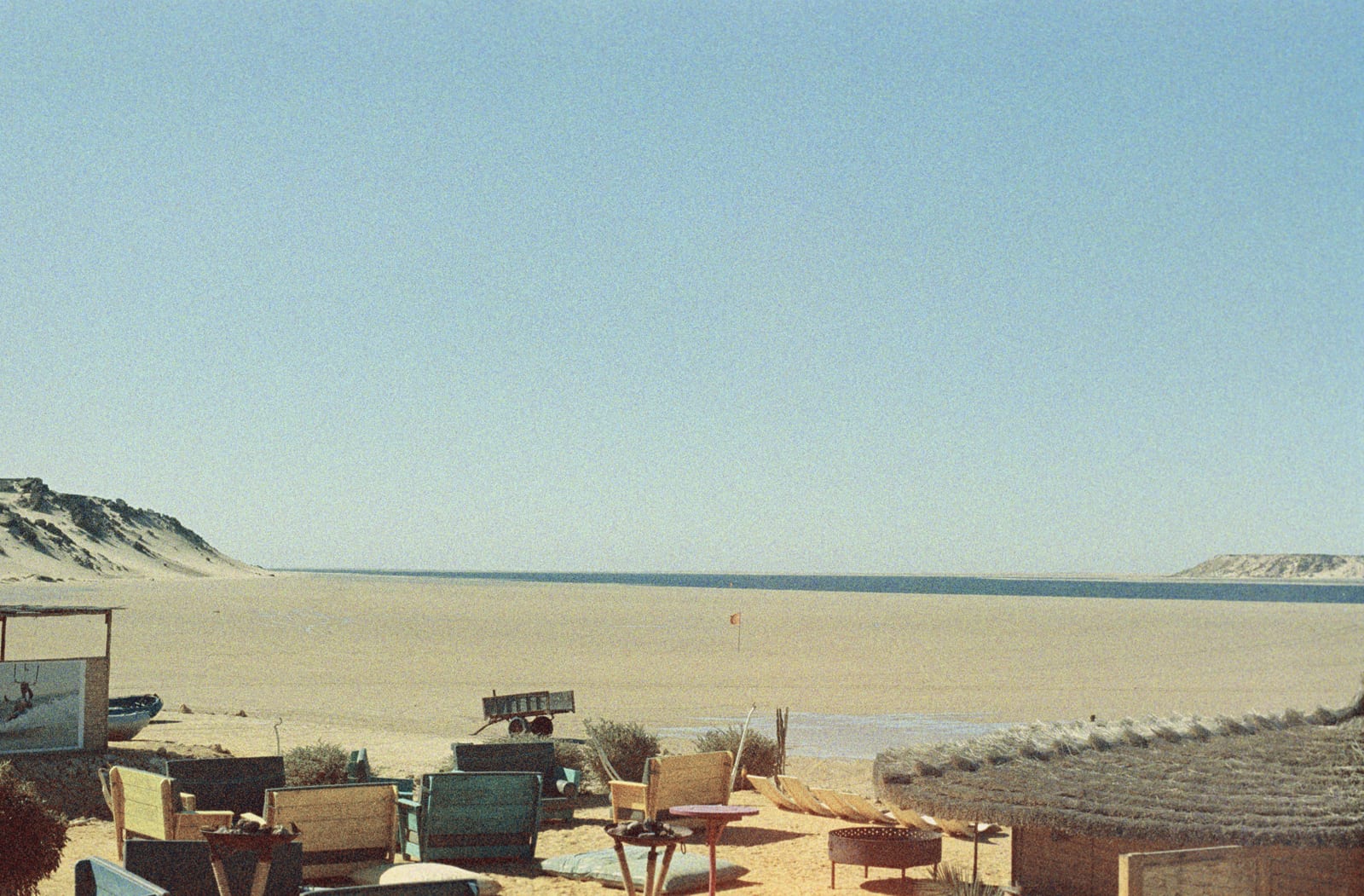
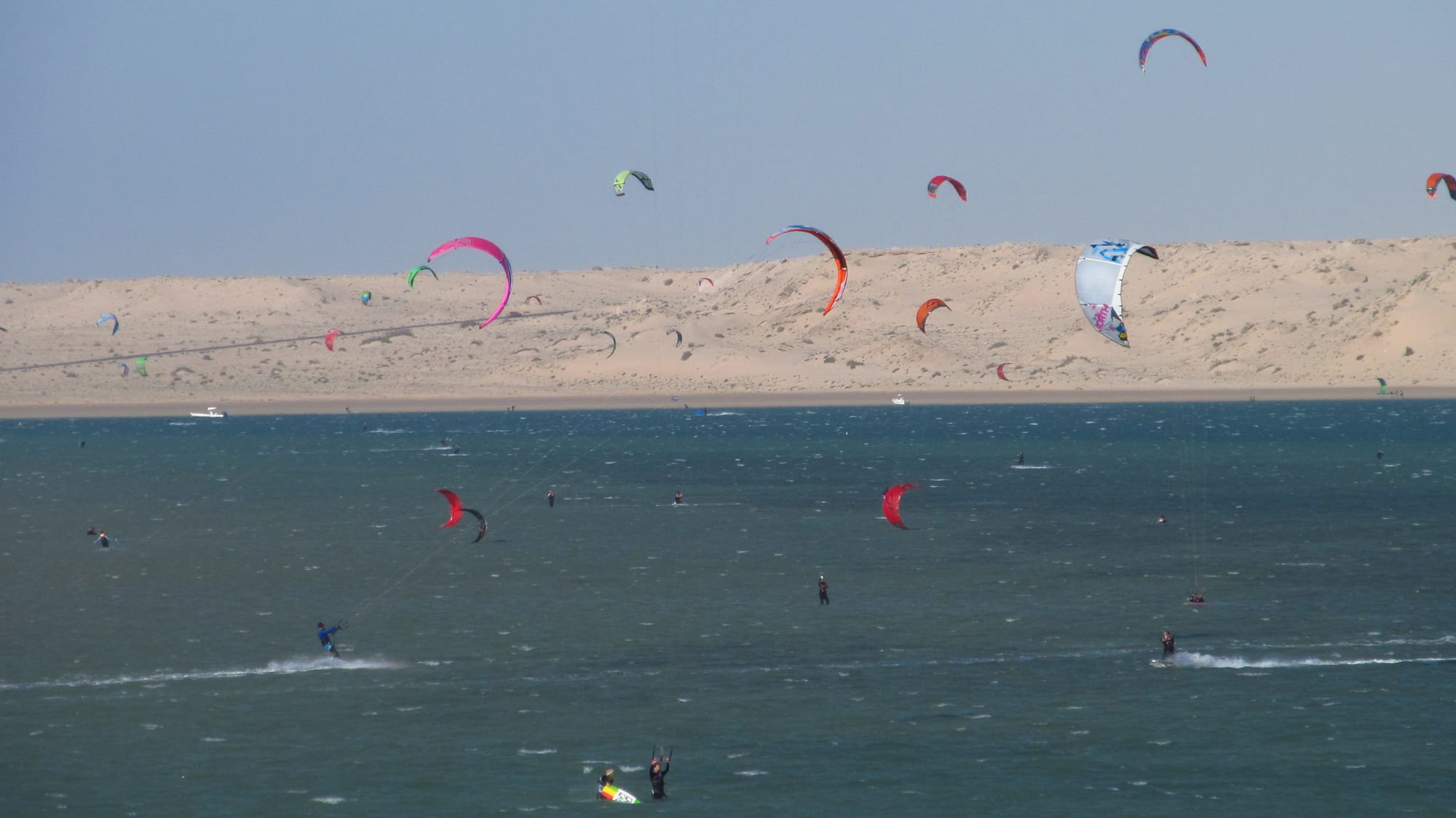
Dakhla, on the narrow Río de Oro Peninsula some 550 kilometres south of Laayoune, has in recent years built an international reputation as a centre for kitesurfing and windsurfing, its sheltered lagoon offering flat water and steady winds well suited to the sport — drawing a community of watersports enthusiasts largely separate from the territory's wider political situation.
A practical note
Western Sahara's political status remains unresolved: Morocco controls the majority of the territory (including Laayoune and Dakhla) and considers it part of Morocco, a position not universally recognised internationally, though its autonomy proposal has gained growing support and in October 2025 the UN Security Council endorsed negotiations based on it. The Polisario Front continues to seek independence, and the UN mission MINURSO remains deployed; the 1991 ceasefire it was set up to monitor ended in November 2020, when the Polisario Front declared it over, and a low-intensity conflict along the berm has continued since. Visitors currently travel to the Moroccan-administered coastal cities described above much as they would to Morocco itself, though with repeated police checks on the coastal road, and should check current government travel advice given the territory's unresolved status and the more restricted, generally inadvisable situation in areas nearer the berm or under Polisario administration.