Culture & Customs · Western Sahara
Western Sahara: Tea, Verse and the Melhfa
A disputed desert territory whose Sahrawi people carry a nomadic culture of three glasses of tea, perfumed tents, oral poetry and song, wherever they now live
By Globeway Editorial · 30 September 2026
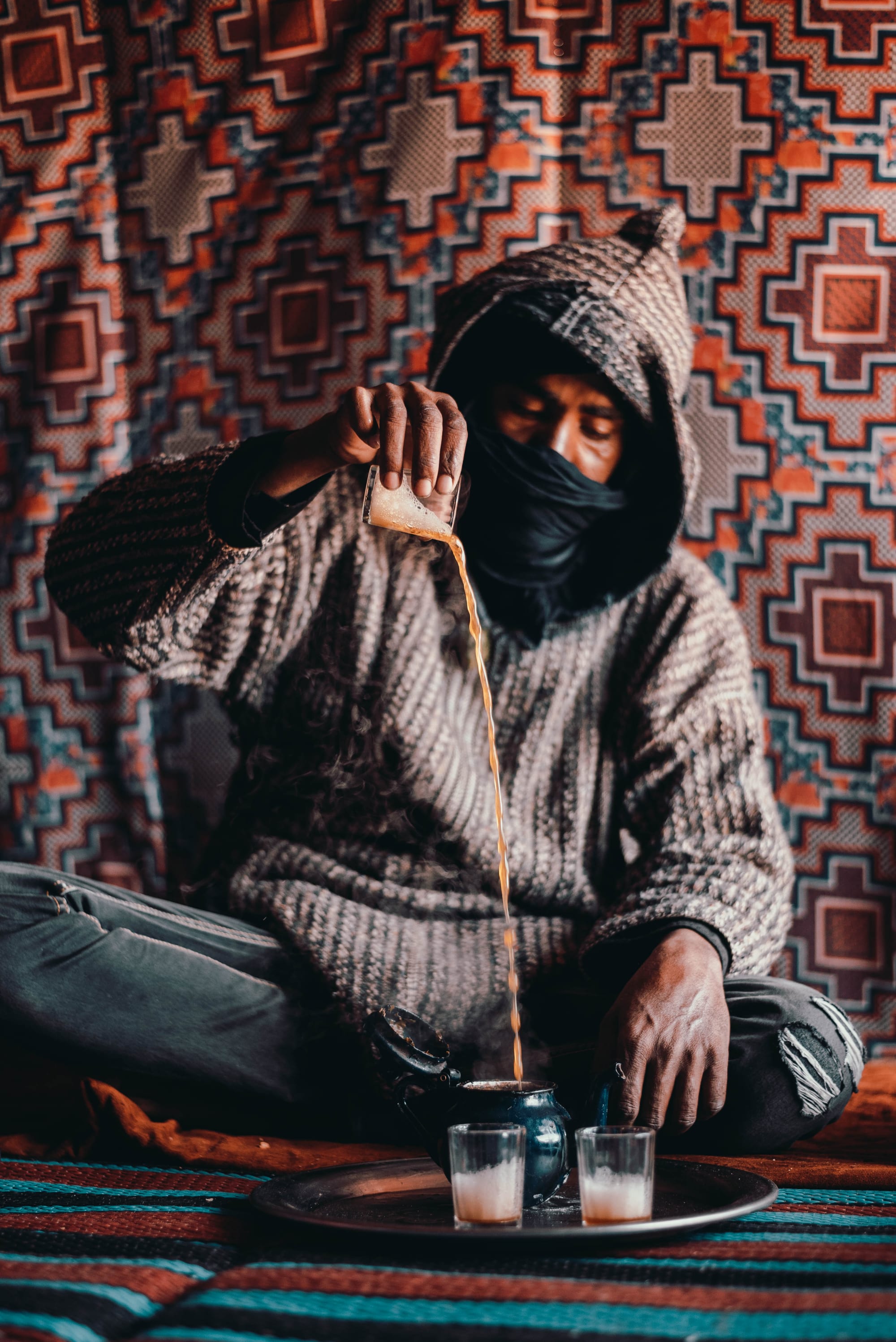
Inside the tent, the host settles beside a small metal burner. Charcoal glows beneath the teapot, and every so often a fragment of scented resin goes onto the coals, filling the space with its smoke. The tea is served in three rounds, and a saying repeated across the desert gives each glass a meaning, often quoted as bitter as life, sweet as love and soft as death. Conversation runs on through all three, and hurrying it would miss the point. Whether the tent stands in the open desert or in a refugee camp, the ritual remains one of the clearest expressions of Sahrawi hospitality.
Faith, identity and values
Western Sahara is a sparsely populated territory on the Atlantic coast of north-west Africa, and its status is disputed. The United Nations lists it as a Non-Self-Governing Territory. After Spain withdrew in the mid-1970s, the territory was claimed by Morocco and Mauritania and contested by the Polisario Front, a Sahrawi movement seeking independence. Mauritania gave up its claim in 1979. Today Morocco administers most of the territory, while the Polisario Front controls an area to the east of a long defensive sand wall, known as the berm. A UN mission, MINURSO, has been present since a ceasefire in 1991, but the referendum on self-determination planned at the time has never been held, and in 2020 the Polisario Front announced that it was withdrawing from the ceasefire. A large Sahrawi refugee population, estimated at anywhere from about 90,000 to 165,000 people depending on the source, also lives in camps near Tindouf, in Algeria. This article describes the culture of the Sahrawi people across these settings and takes no position on the dispute.
The Sahrawis are of mixed Arab and Amazigh, or Berber, descent, with West African ancestry too, and many trace their lineage to the Beni Hassan, Arab groups who reached North Africa in the eleventh century and the western Sahara by the thirteenth. Historically they were nomadic herders of camels and goats, and tribal groupings such as the Reguibat and the Oulad Delim still carry cultural weight, even though ways of life have changed greatly with settlement and exile. Their language is Hassaniya, a form of Arabic with Berber influences, and Spanish, a legacy of the colonial period, is widely spoken as a second language.
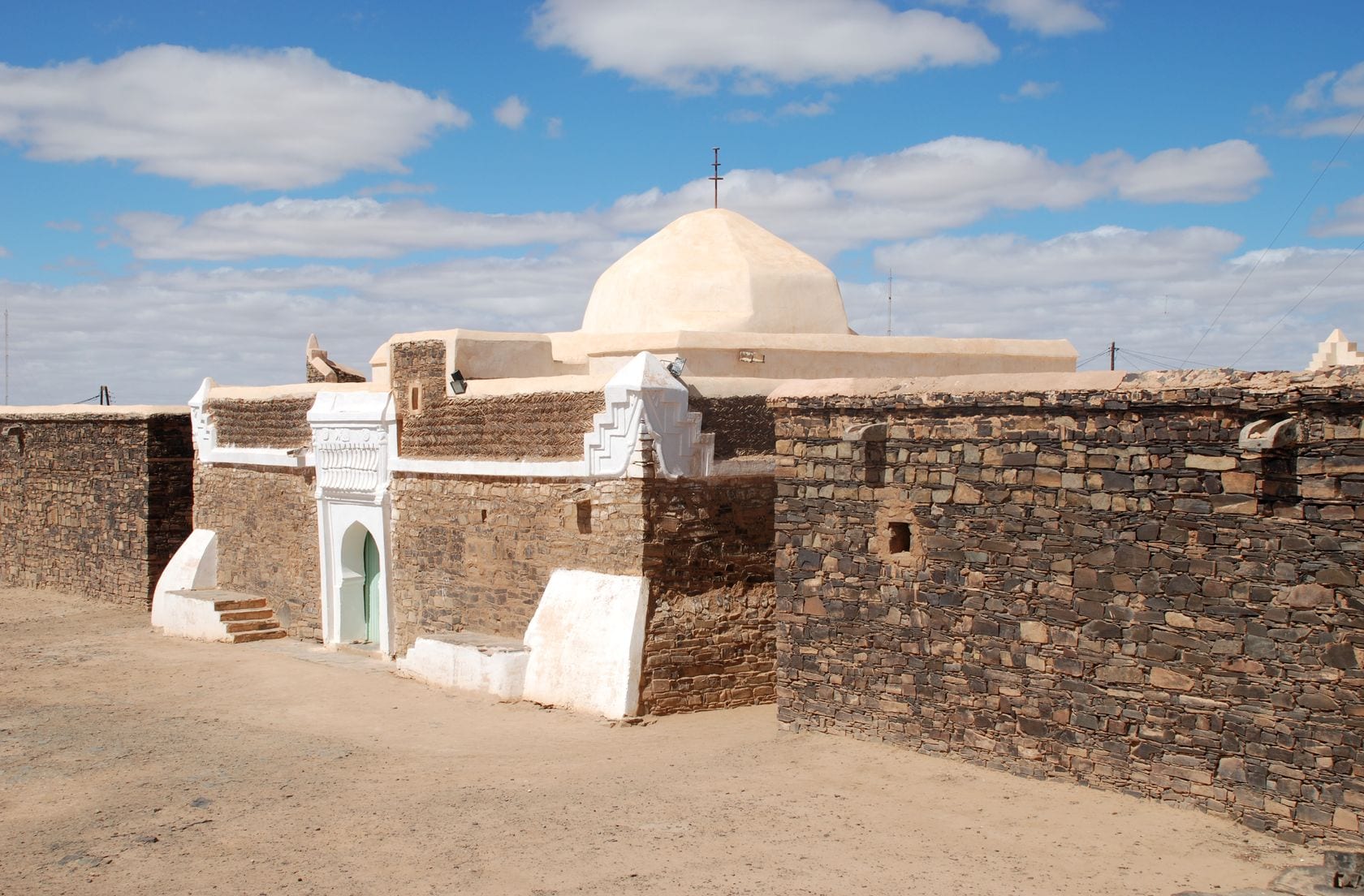
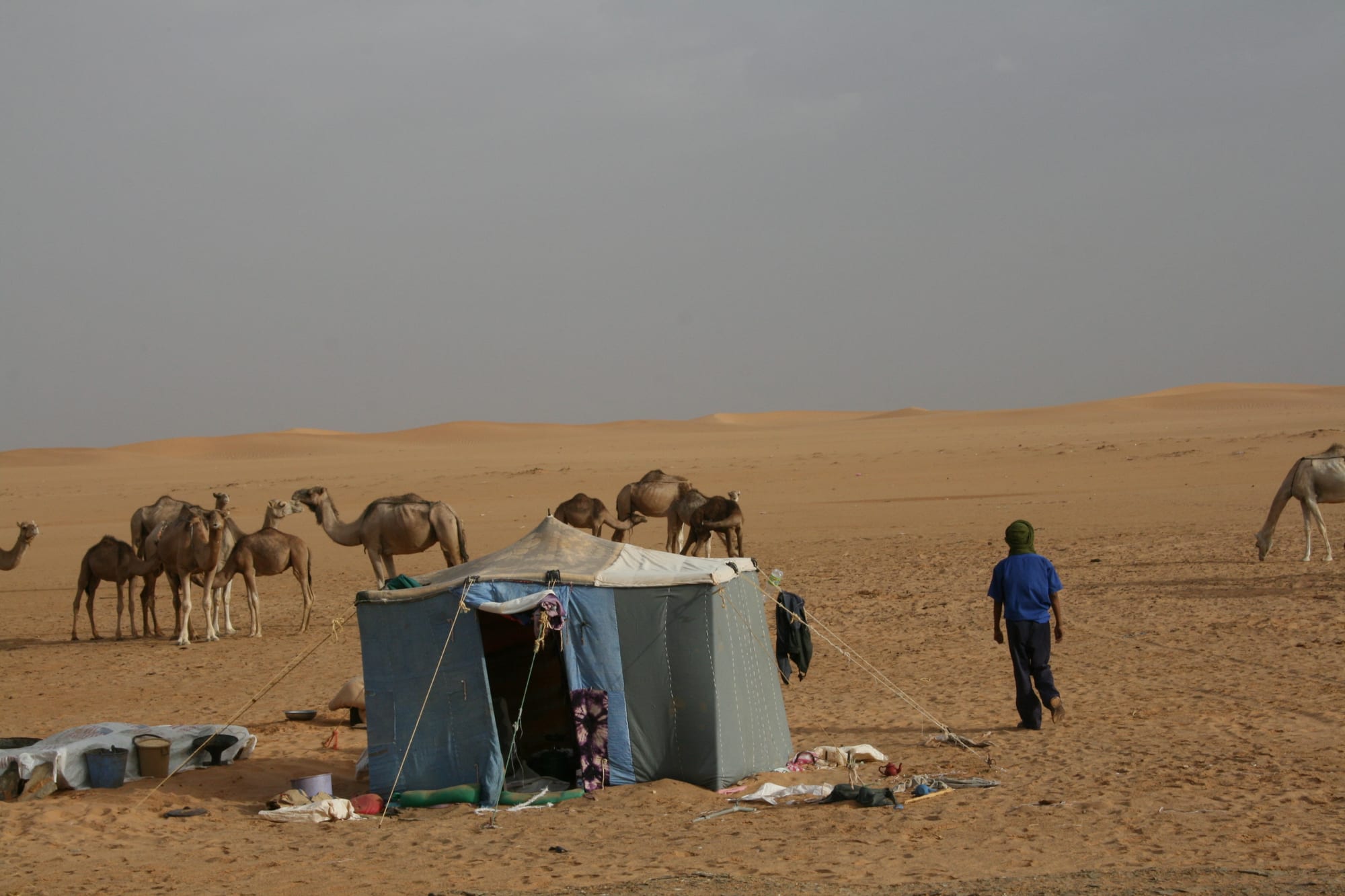
The overwhelming majority of the population is Sunni Muslim, and in the part of the territory administered by Morocco, publicly funded schools teach Sunni Islam according to the Maliki school. A strong sense of mutual obligation runs through Sahrawi life. Cultural Survival describes tuiza, a spirit of collective work handed down from one generation to the next, in which neighbours come together to repair a damaged home or to make a tent of camel and goat hair.
Greetings and meeting people
Meeting people in Sahrawi society is closely tied to hospitality, and the tea described above is its natural setting. Family and tribal belonging still carry cultural significance, and older women hold much of a household's traditional knowledge, which they pass on to the younger women.
Dress remains an important marker of identity. The melhfa, the long wrapped cloth worn by Sahrawi women, is the everyday garment, and for important gatherings such as weddings it may be soaked in water scented with cloves. Visitors will hear Hassaniya above all, but Spanish is often understood among Sahrawis as a second language.
Games are part of social life too. In the camps, Cultural Survival notes, men play a desert form of draughts known as dama, while women play another traditional game, es-sig.
Hospitality and being a guest
The three glasses of tea are the heart of hospitality. The small metal burner used to heat the water does double duty: families add aromatic products to the coals so that the smoke perfumes the tent while the tea is made. The most prized is the resin of a species of Pistacia, known by the Berber name tidikt. Women also prepare lemhor, a mixture of resins, sandalwood and powdered perfumed soap, which is burned in a metal censer called a lembajra and also serves as the base for homemade perfumes.
Henna carries a similar sense of welcome. Painting the hair, hands and feet with henna is an important practice among Sahrawi women, used at rites of passage and weddings, and offered as a tribute to guests. Knowledge of perfumes, cosmetics and henna is held by the older women of each household, who store, prepare and pass it on to the younger women.
Festivals and life's big moments
As elsewhere in the Muslim world, the religious year follows the Islamic calendar. Weddings draw on several of the customs described here: henna is an important part of the celebrations, as it is at other rites of passage, and the melhfa may be perfumed with cloves for the occasion.
Scent plays a part at the end of life too. Historical accounts of Sahrawi society record plants being used to perfume the bodies of the dead before burial, and researchers note that cleansing and perfuming plants are important in ceremonies such as weddings and funerals among many peoples.
Life in exile has not stopped these customs. Researchers working in the refugee camps found that, after decades away from their former homelands, Sahrawi women continued to prepare traditional perfumes, cosmetics and henna, adapting where they obtain their materials but keeping the practices themselves.
Arts, crafts and music
Poetry is the most prized Sahrawi art. Hassaniya poetry is predominantly oral, and a Sahrawi asked about poetry may not remember the titles of books but can name well-known poets and recite their verses from memory. Efforts have been made in recent decades to record and archive this work, and a group of Sahrawi poets writing in Spanish, formed in Madrid around 2005, has published a number of books. Common themes include freedom, the land and cultural survival.
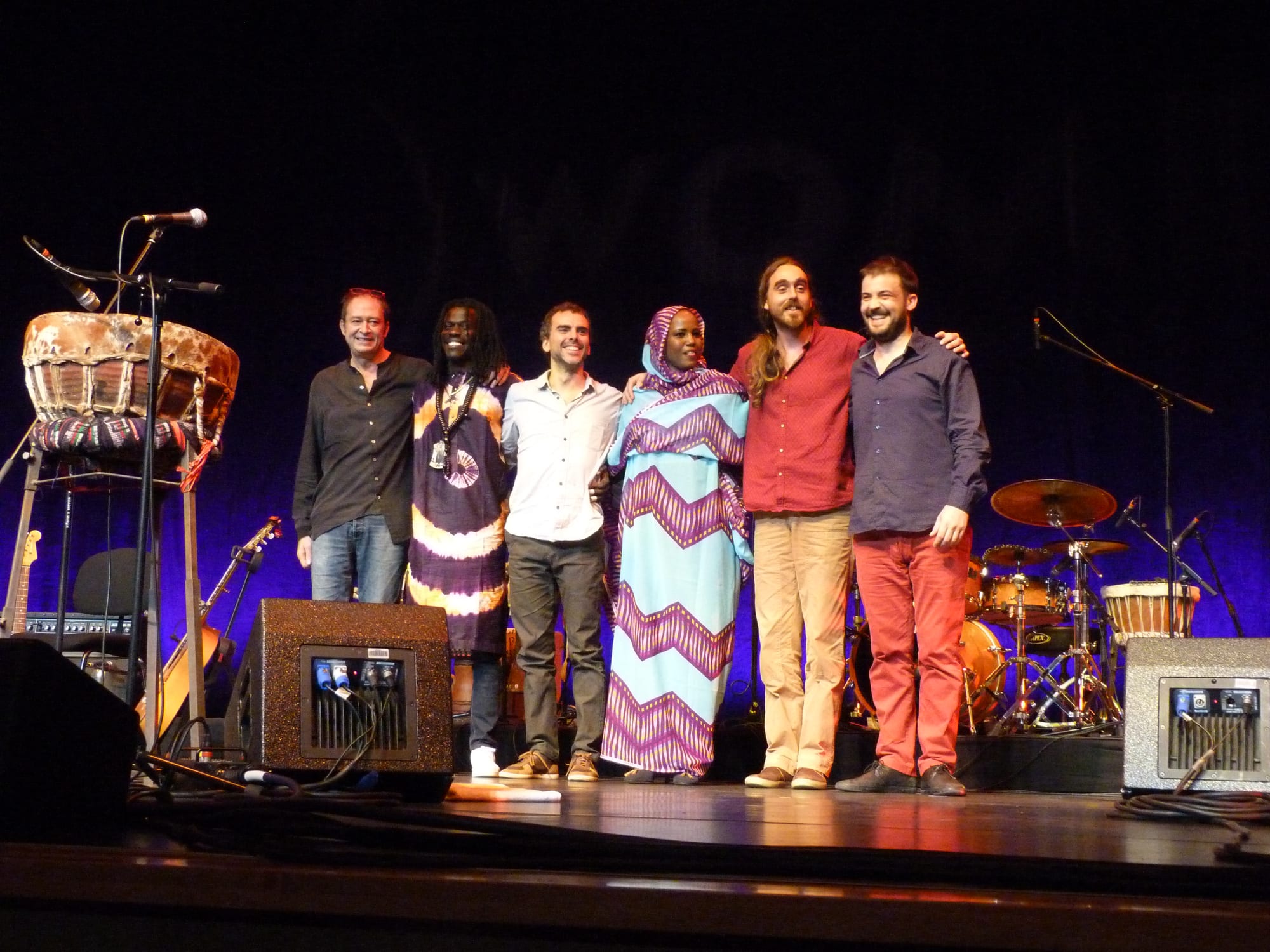
Music and poetry are closely bound together. In the words of the Sahrawi singer Aziza Brahim, much of the culture's legacy is oral rather than written, and music is the base for much of its poetry and many of its stories. The traditional style is known as haul, and the tabal is its traditional percussion instrument. Brahim, born in 1976 in the refugee camps near Tindouf, draws on haul and on the verses of her grandmother, the poet Ljadra Mint Mabruk, and sings in Hassaniya and Spanish.
Crafts grew out of nomadic life. Tents were traditionally woven from camel and goat hair, often through the collective labour of tuiza, and the preparation of perfumes, incense and cosmetics from plants, resins and minerals remains a skilled domestic craft passed from older to younger women.
Dos and don'ts for visitors
- Do check the latest government travel advice before any trip; most governments advise against travel near the sand berm, where uncleared landmines remain, and to the Polisario-controlled zone and the buffer strip, and low-level armed confrontation has continued since 2020.
- Do accept the tea that is offered and allow time for all three glasses.
- Do treat an offer of henna or perfume as a gesture of welcome and honour.
- Do try a few words of Hassaniya or Spanish, which is widely spoken as a second language among Sahrawis.
- Don't treat the territory's status as small talk; it is a deeply felt and sensitive subject for people on every side.
- Don't photograph police, soldiers or security installations.
What to take away
Whatever their circumstances, Sahrawis have kept the customs of the tent — three glasses of tea, perfumed air, henna for guests and verses learned by heart — and a visitor who sits down and takes the time to drink all three glasses will see them at their most generous.