Food · Western Sahara
Western Sahara: Food and the National Dish
Camel meat and milk from a Sahrawi nomadic tradition, alongside fresh Atlantic fish landed at Dakhla
By Worldlore Editorial · 30 September 2026
A cuisine split between the desert and the coast
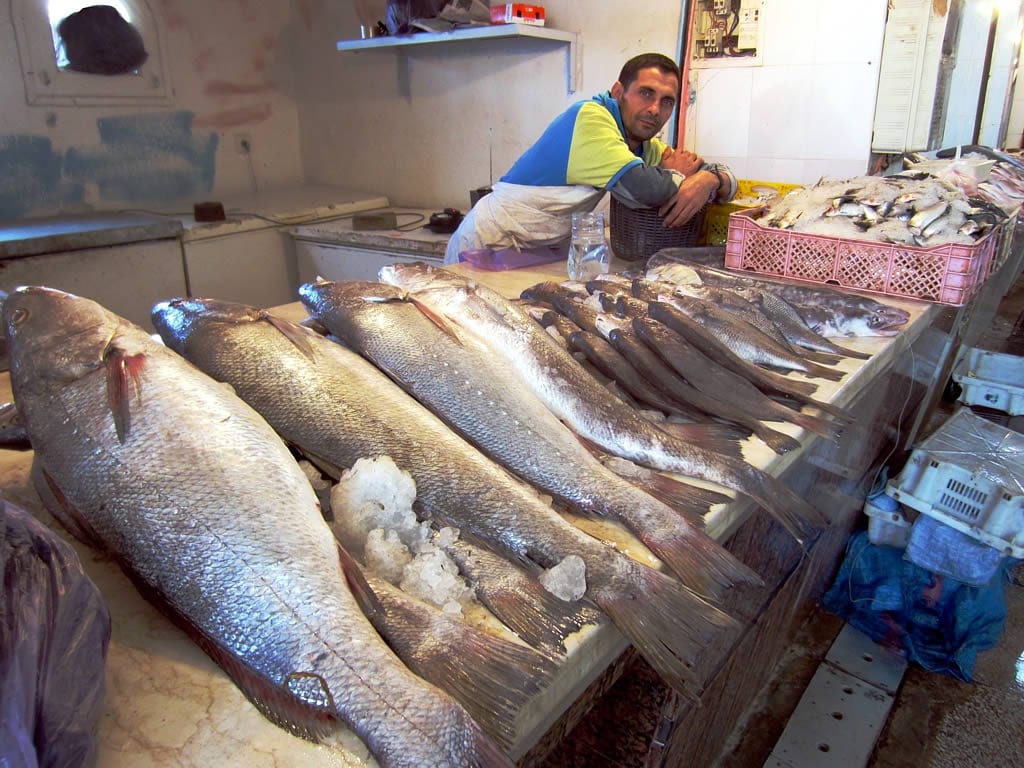
Western Sahara's food reflects two genuinely distinct sources: a Sahrawi Bedouin tradition built around camel herding in the desert interior, and a coastal fishing economy along the Atlantic, notably at Dakhla, where fishing and tourism are the main economic activities.
Camel, fish and a genuinely desert-and-coast pantry
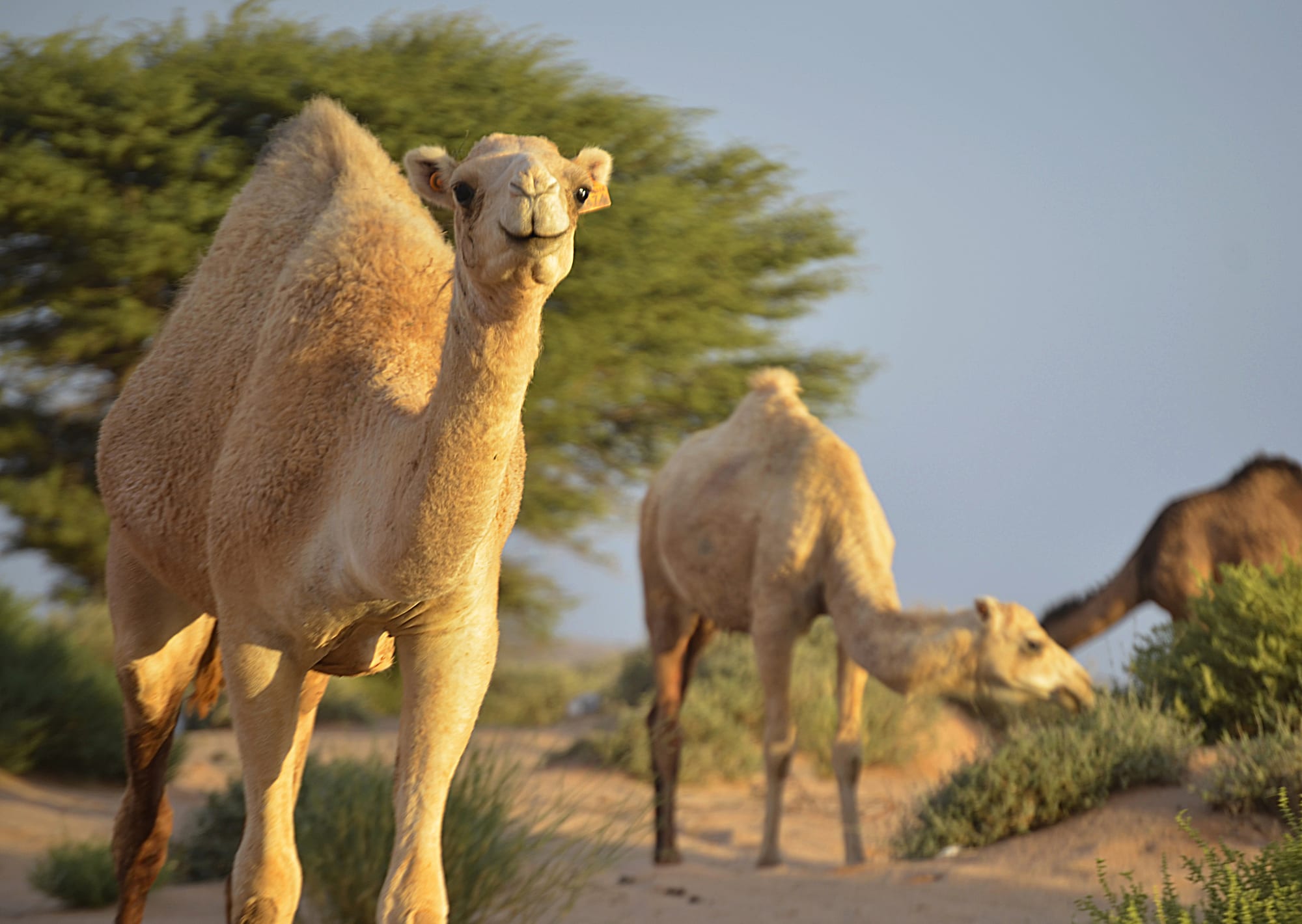
Camel meat and camel milk, along with goat, anchor traditional Sahrawi cooking, a genuine staple for communities historically built around herding across the desert interior. Fresh fish, landed at Dakhla and other coastal towns, and couscous, a main staple shared across the wider Maghreb, round out a pantry that looks different inland and along the coast.
History behind the divide
Sahrawi Bedouin communities have herded camels across the Western Sahara desert for generations, a tradition that shaped a diet built around camel meat and milk long before the region's more recent coastal development. Coastal fishing, commercial since Spanish colonial times and now Dakhla's main economic activity with tourism, added a seafood economy alongside, rather than replacing, that older desert herding tradition.
Dishes to know
Five more to recognise across Western Sahara:
- Camel meat — a genuine Sahrawi Bedouin staple, reflecting the
region's desert herding tradition.
- Camel milk — a traditional daily staple among herding communities.
- Couscous — steamed semolina served with stew, shared broadly across
the wider Maghreb.
- Fresh fish — grilled or fried Atlantic fish, landed at Dakhla
and other coastal towns.
- Mreifisa — a traditional stew of rabbit, lamb or camel meat with
onion and garlic, served atop unleavened bread cooked in the sand.
Drinks
Mint tea, prepared and served in the wider Maghreb style and usually in a ritual of three glasses, is a daily hospitality ritual across the region. Camel milk, drunk fresh, is also a traditional staple among Sahrawi Bedouin communities.
Eating as a traveller
Vegetarians will find couscous and vegetable-based dishes manageable, though camel meat and fish are central to much of the region's traditional cooking. Bottled water is the sensible default. Visiting Dakhla's municipal market offers a genuine look at the fresh fish that drives the town's economy.
What to take from the table
Camel meat from the desert interior and fresh fish from Dakhla's port together tell Western Sahara's real food story: a region shaped by both an old Bedouin herding tradition and a more recent coastal fishing economy.