💰 Budget
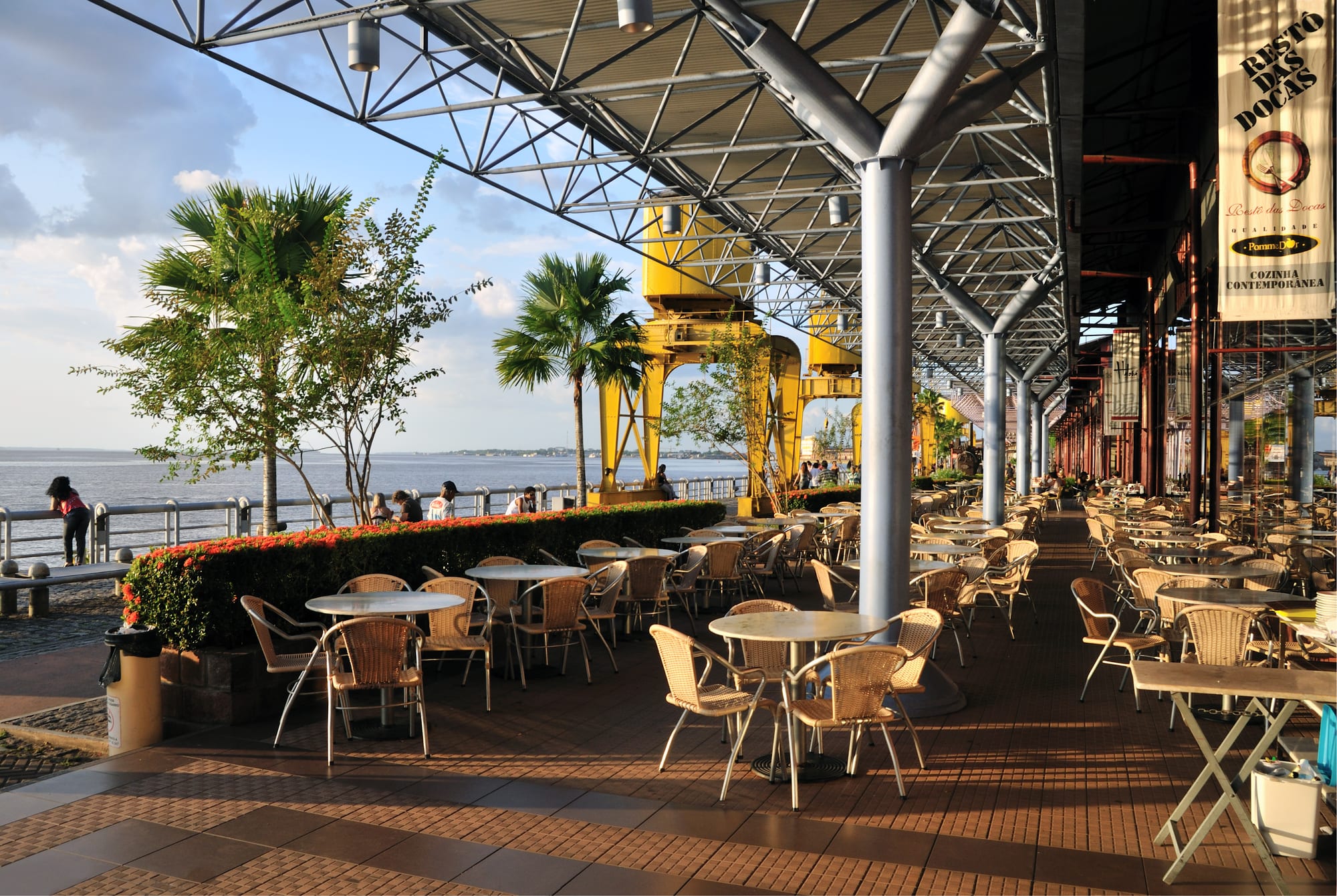
Belém is moderately priced: market food, tacacá from street stalls and local buses cost little, while restaurants at the Estação das Docas and boat trips on the bay add more. Hotel prices rise sharply around the Círio in October, when the city fills with pilgrims.
- Daily Budget Midrange
- USD 80–170 (mid-range hotel, restaurant meals, boat trips and app taxis)
- Daily Budget Shoestring
- USD 30–60 (hostel or simple hotel, market meals and street food, buses)
Book well ahead for the Círio weekend; the markets, squares, churches and waterfront parks cost little or nothing.
📅 Best Time to Visit
Belém is visited all year. The drier months, roughly June to November, bring more sun and shorter afternoon storms; from December to May the rain is heavier and longer. October is the month of the Círio de Nazaré, the city's great event, when it is at its busiest and most expensive.
⏳ Suggested Number of Days
Two to three days cover the city itself. Allow four to six to include a night or two on the islands and beaches around the bay, and more for the Círio, when crowds slow everything down.
- First Visit
- 2–3 days
- With Surroundings
- 4–6 days
🚆 Transportation
City buses cover the metropolitan area, and app-based taxis are widely used and inexpensive. The historic centre, Ver-o-Peso and the waterfront are close enough to walk between; the airport, Icoaraci and Mosqueiro need a bus, taxi or car. Boats link the city to the islands of the bay and the ferry ports for Marajó.
Use app taxis rather than street taxis at night, and allow extra time for traffic and heavy rain.
🛬 Airport & Station Connections
Val-de-Cans International Airport is about 12 km from downtown, a short taxi ride, with flights across Brazil and some international routes. Long-distance buses arrive at the city's bus station, and river boats connect Belém with Marajó, Macapá and ports up the Amazon such as Santarém, a journey of a few days.
🚶 Walkability
Cidade Velha, Campina, the Estação das Docas and the Praça da República are close together and walkable, with mango trees shading many streets. Heat, humidity and sudden downpours make walking tiring, and pavements can be uneven; beyond the centre, distances are better covered by taxi.
🛡️ Safety
Brazil has high rates of crime, including violent crime, and it is the main practical concern for visitors — though very unevenly distributed. In Belém, care is needed after dark, especially along Avenida Presidente Vargas and the back streets off it. The Estação das Docas is considered a safe, if touristy, place to spend an evening, and homicides in the city fell sharply between 2017 and 2022.
Use app taxis at night, keep phones out of sight around Ver-o-Peso, and carry only what is needed. Check current official travel advice before travelling.
🌦️ Climate
Equatorial and rainy all year, hot and humid, with afternoon downpours that in the drier months often arrive at about the same time each day. The city lies just south of the equator, so the year divides into a wetter season, roughly December to May, and a drier one, rather than true summer and winter; formally, summer is December to February.
- Summer
- the wet season — hot, humid and very wet, around 24–32°C, with heavy rain that can last for hours
- Winter
- the drier season — around 24–33°C, still humid, with more sun and brief afternoon thunderstorms
🤝 Local Customs
A service charge is usually added to restaurant bills. Portuguese is the language of daily life and English is not widely spoken. Belém is strongly Catholic, and the family lunch on Círio Sunday is often compared to Christmas in significance; visitors are welcome to watch the procession. Football divides the city between Remo and Paysandu supporters.
Dress modestly in churches and the basilica, ask before photographing stallholders at Ver-o-Peso, and expect huge, tightly packed crowds on Círio Sunday.
💳 Common Payment Methods
The currency is the Brazilian real (R$). Cards, phone payment and the instant Pix transfer system are accepted almost everywhere in the city; market stalls and boat trips may prefer cash. Withdraw money by day from ATMs inside banks or shopping centres, as many limit foreign cards.