💰 Budget
Soure itself is inexpensive, with simple pousadas and cheap local food; the ferry or fast boat from Belém is a modest cost. Prices rise for farm stays and guided outings, and rooms fill up and grow dearer in the dry-season holidays.
- Daily Budget Midrange
- USD 80–170 (comfortable pousada or farm stay, restaurant meals, boat and buffalo-farm trips)
- Daily Budget Shoestring
- USD 30–60 (simple pousada, market meals, local transport and bicycles)
Bring enough cash from Belém and book ahead for holiday periods; the beaches and the town cost nothing.
📅 Best Time to Visit
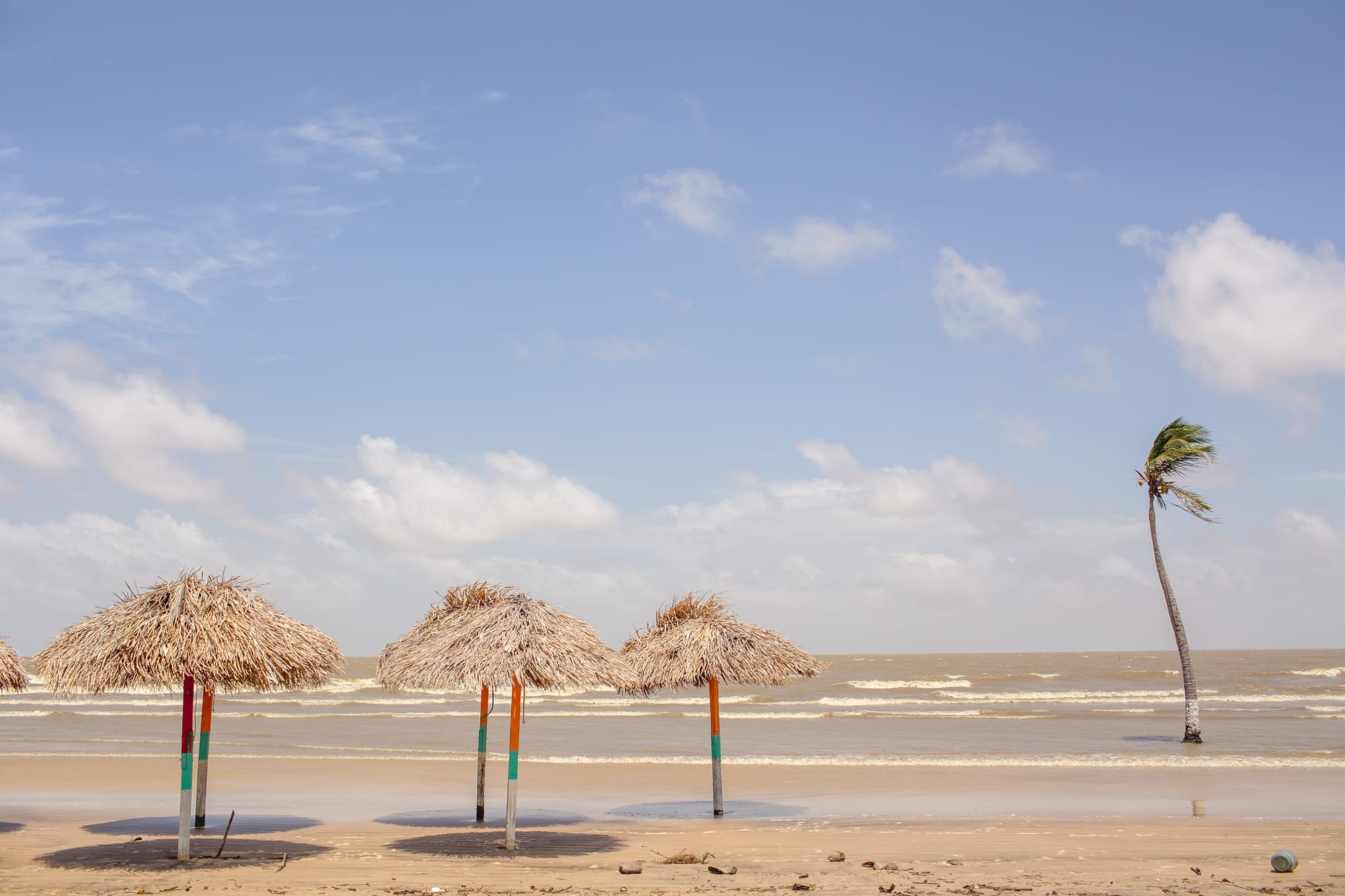
The drier second half of the year is the best time for the beaches, with more sun and firmer ground on the island. The first half of the year is much wetter, when the grasslands flood and the roads to the beaches can be muddy.
⏳ Suggested Number of Days
Marajó can be seen as a day trip from Belém, but the crossing takes several hours each way, so two or three nights in Soure suit most visitors. Allow longer to see the farms and mangroves around the town at an unhurried pace.
- First Visit
- 2–3 days
- With Surroundings
- 3–5 days
🚆 Transportation
The town is small and flat, and many visitors get around on foot or by bicycle. Local buses link the ferry landing with Soure and Salvaterra, and taxis or hired transport reach the beaches. Further afield on the island, transport is limited and slow.
Check the tide before heading to the beaches: at some of them the sea retreats a long way and returns quickly.
🛬 Airport & Station Connections
There is no bridge to the mainland. Ships from Belém cross to Marajó in about four hours, and fast boats make the trip in about an hour and a half; car ferries also cross from Icoaraci, on Belém's northern edge. Local buses run onwards from the landing to Soure and Salvaterra. Soure lies about 80 km from Belém in a straight line across the bay.
🚶 Walkability
The town centre is compact, flat and easy on foot, with shade from its mango trees. The beaches lie a few kilometres out of town, too far to walk comfortably in the heat; a bicycle or a car is the usual way to reach them.
🛡️ Safety
Brazil has high rates of crime, including violent crime, and it is the main practical concern for visitors — though very unevenly distributed. Soure is a small town, but the beaches are exposed to strong tides and currents, and the mangroves and grasslands are best explored with local guides.
Swim only where local people do, watch the tides, carry water and repellent, and avoid empty beaches after dark. Check current official travel advice before travelling.
🌦️ Climate
A tropical monsoon climate, hot and humid all year, with a long, very wet first half of the year and a drier second half. Soure lies just south of the equator, so formally summer is December to February, but the meaningful change is between the wet and dry seasons.
- Summer
- the wet season — hot, humid and very wet; temperatures recorded since 1961 have ranged from 17.8°C to 35°C
- Winter
- the drier season — hot and sunnier, with the best beach weather; the record high is 35°C
🤝 Local Customs
A service charge is usually added to restaurant bills. Life is slow and informal, and most people are Catholic. The buffalo is part of local identity, raised for milk and meat, and marajoara pottery is a matter of pride. Portuguese is spoken everywhere; English is rare.
Dress casually but cover up away from the beach and in church, and ask before photographing people, farms or workshops.
💳 Common Payment Methods
The currency is the Brazilian real (R$). Pix transfers and cards are accepted in many places, but cash is still needed for small shops, boats, transport and beach kiosks, and ATMs are few, so it is wise to bring money from Belém.