💰 Budget
Pasto is inexpensive, with low hotel prices, cheap set lunches and street food; roast guinea pig is the one dish that costs noticeably more. Prices and demand for rooms rise sharply for the carnival in early January.
- Daily Budget Midrange
- USD 80–140 (central hotel, sit-down dinners including cuy, taxis and a trip to La Cocha)
- Daily Budget Shoestring
- USD 30–50 (hostel bed or simple hotel, set lunches, empanadas, buses)
Book well ahead for the carnival, and wear old clothes on the 5th and 6th of January.
📅 Best Time to Visit
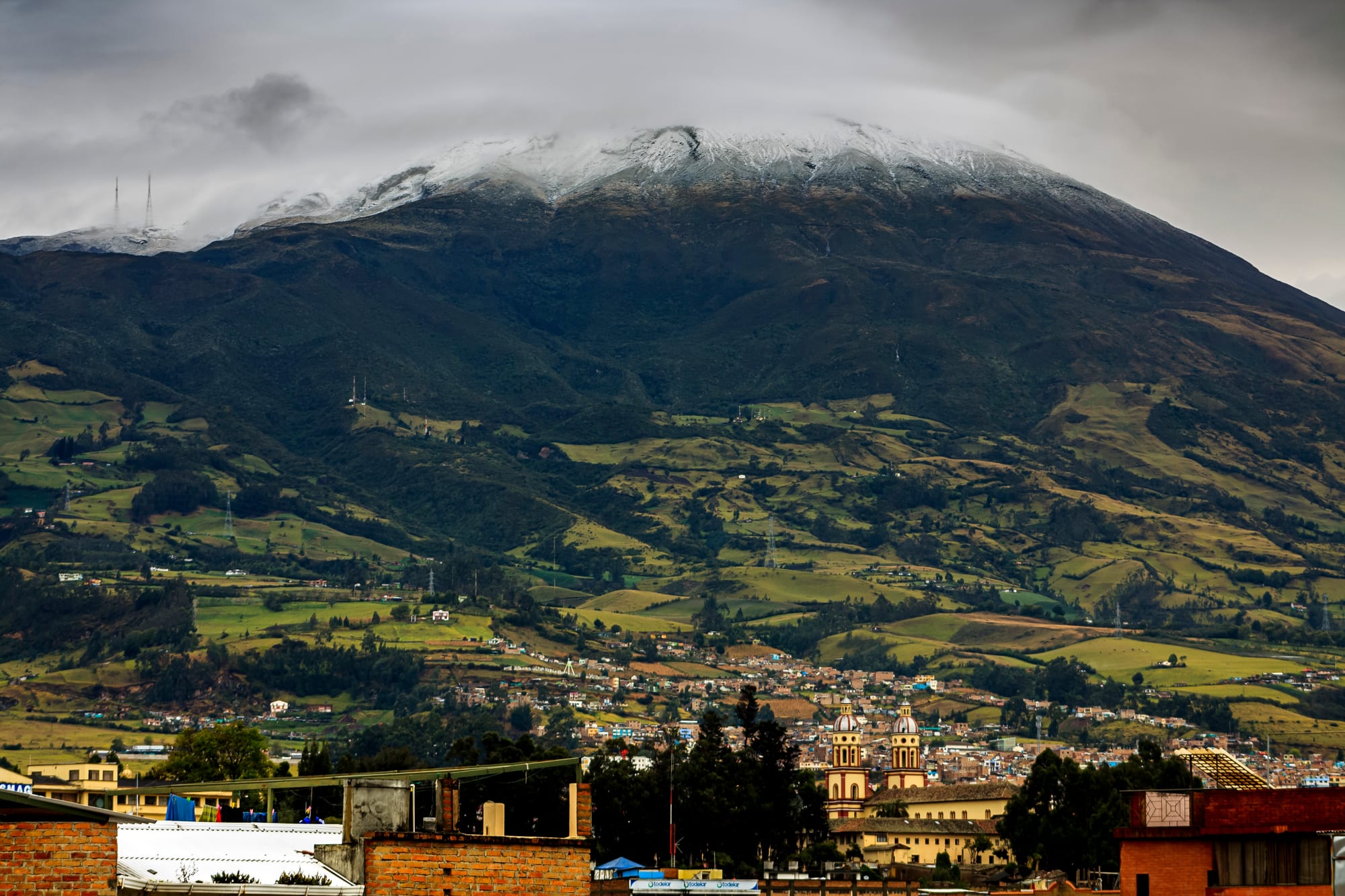
The temperature changes little through the year. The carnival from 2 to 7 January is the time to see the city at its liveliest, though also at its busiest. Days are cool and often overcast, and the drier spells bring the clearest views of Galeras.
⏳ Suggested Number of Days
One or two days are enough for the city, and three or four allow time for the lake and the journey south towards the border. Carnival visitors usually stay for several of the festival days.
- First Visit
- 1–2 days
- With Surroundings
- 3–4 days
🚆 Transportation
Taxis are cheap and widely used, and city buses serve the neighbourhoods. The intercity bus terminal handles about two million passengers a year, with services north to Popayán and Cali, south to Ipiales and west to Tumaco. On Sundays and Monday holidays the Avenida de los Estudiantes and other streets close to cars in the morning for the ciclovía.
Travel by day on the roads out of the city, especially the steep road east to Mocoa.
🛬 Airport & Station Connections
Antonio Nariño Airport is 35 km north of the city in the town of Chachagüí, about half an hour away by bus or taxi, with domestic flights to Bogotá and Cali. By road, the Pan-American Highway links Pasto with Popayán to the north and with Ipiales, 78 km to the south on the Ecuadorian border; the bus from Cali takes around nine hours.
🚶 Walkability
The centre is compact and easy to explore on foot, with churches, shops and restaurants close together, though the altitude makes climbs tiring at first. Most other trips are made by taxi.
🛡️ Safety
Colombia is far safer for visitors than its reputation, and the main cities and tourist regions are well travelled, but crime requires attention. Pasto is visited without trouble by most travellers, but rural Nariño is affected by armed groups. Phone theft in the main square has been reported. Galeras is an active volcano, and in 2020 access near its summit was forbidden.
Keep phones out of sight in crowds and during the carnival, keep to the main roads, and travel by day. Check current official travel advice before travelling.
🌦️ Climate
Cool all year because of the altitude, between about 2,520 and 2,700 metres for most of the city. Average highs are around 15–18°C and average lows around 9–11°C, with moderate rainfall and frequent cloud.
- Summer
- the drier months bring sunnier days with highs of around 15–18°C and cold nights
- Winter
- the wetter months bring cloudy, rainy days with highs of around 15–18°C
🤝 Local Customs
Pastusos are proud of their Andean culture, their crafts and their carnival, and the city is strongly religious, with many old churches. During the carnival, painting and powdering strangers is part of the fun and taken in good humour.
Dress warmly and modestly in churches; at the carnival, expect to be painted and dusted with talc, and use skin-safe products only.
💳 Common Payment Methods
The currency is the Colombian peso (COP). Cards are accepted in hotels, malls and larger restaurants; cash is needed for street food, markets and buses. Shopping centres in the city also serve trade with Ecuador.