💰 Budget
The all-inclusive resorts of Cayo Santa María are sold mainly as packages from abroad, which are usually far cheaper than booking a room on the spot. Staying in a casa particular in Caibarién or Remedios and visiting the public beaches is much cheaper but needs a taxi or hire car across the causeway. Outside the resorts, Cuba is essentially a cash economy.
- Daily Budget Midrange
- USD 100–200 (an all-inclusive room bought as a package, or a good casa with taxis to the cays and an excursion)
- Daily Budget Shoestring
- USD 35–60 (casa particular in Caibarién or Remedios, home-cooked meals, shared taxis)
Bring all the cash needed in euros or US dollars; US-issued cards do not work and ATMs are unreliable.
📅 Best Time to Visit
December to April is dry and the best time for the beaches. The parrandas fill Remedios and Caibarién in December, above all on the night of the 24th. Summer is hot and wet, and September and October carry the highest hurricane risk.
⏳ Suggested Number of Days
Most visitors come for a beach stay of several days. Add a day or two for the towns on the mainland, and allow for long transfers from the airport and for disruption caused by fuel shortages.
- First Visit
- 3–5 days
- With Surroundings
- 5–7 days
🚆 Transportation
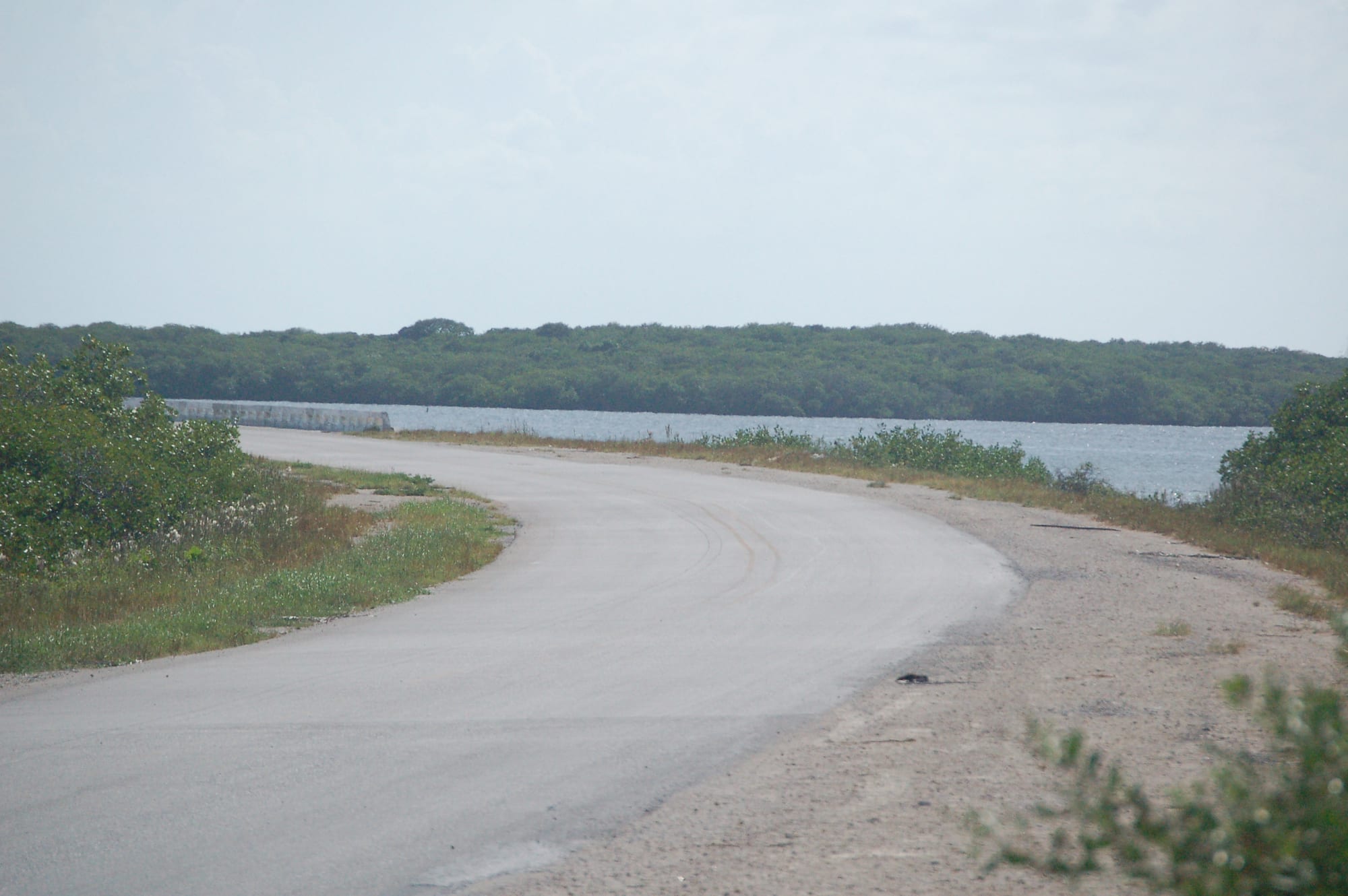
Transport on the cays is mostly resort transfers, taxis and hire cars along the causeway, which takes under an hour to cross. Shared taxis and buses on the mainland link Caibarién, Remedios and Santa Clara.
Fill the tank whenever fuel is available, and arrange taxis for the return across the causeway in advance.
🛬 Airport & Station Connections
Abel Santamaría Airport, the international airport of Santa Clara, is the main entry point for tourists heading to Cayo Santa María and the other cays, and transfer buses run from it to the causeway along the northern coast road. Las Brujas Airport on the cays had no scheduled services as of December 2024. Cuba stopped refuelling airliners in February 2026 and several foreign airlines suspended routes, so flights should be checked close to departure.
🚶 Walkability
Within a resort and along the beaches, walking is easy. The cays are long and spread out, though, and the causeway is not a road for walking, so anything beyond the nearest beach needs a vehicle. Caibarién and Remedios are small towns that are pleasant on foot.
🛡️ Safety
Cuba has low levels of violent crime and is generally very safe for visitors. The centre of the country is generally safe, and the practical issues here are sun, shallow-water swimming and the power cuts and water shortages that affect the whole region; hurricanes can strike either coast.
Use the room safe for valuables, carry water and sun protection on the beaches, and agree taxi fares before crossing the causeway. Check current official travel advice before travelling.
🌦️ Climate
Tropical and hot, cooled by sea breezes on the cays. The rainy season from May to October brings heavy afternoon storms, and hurricanes can strike the coast.
- Summer
- Across the region's plains and coast, summers are hot and humid, around 31–34°C, with afternoon storms
- Winter
- Across the region's coast, winters are warm and dry, around 26–28°C by day
🤝 Local Customs
Between 1992 and 2008 some Cuban hotels and resorts were open only to foreign tourists. Many tourism workers earn more through tips than they could as professionals. In Remedios and Caibarién the parrandas are a matter of fierce neighbourhood loyalty.
Tip resort staff, drivers and guides in cash, dress modestly in churches, and ask before photographing people.
💳 Common Payment Methods
The currency is the Cuban peso (CUP), but resorts and most services for visitors are priced in US dollars or euros. Bring cash in euros or US dollars; US-issued cards do not work, and ATMs are unreliable.