💰 Budget
Cuba is hard to budget for. There are multiple exchange rates, chronic shortages of food, fuel, and medicine, and prices that shift fast. Casas particulares (licensed homestays) and state restaurants are the cheaper options; private "paladar" restaurants and tourist services cost much more. It is essentially a cash economy for visitors. Since the United States began blocking fuel shipments to the island in early 2026, shortages of fuel, food, and medicine have deepened and prices are harder than ever to predict.
- Source
- Traveller reports; the currency situation is volatile and conditions changed sharply in 2026 — verify before travelling.
- Daily Budget Midrange
- USD 90–180 (better casa or hotel, paladares, private taxis, tours)
- Daily Budget Shoestring
- USD 40–70 (casa particular, state cafeterias, shared taxis, buses)
Bring all the cash you expect to need in euros or US dollars; ATMs are unreliable and US-issued cards do not work at all.
Source: Traveller reports; the currency situation is volatile and conditions changed sharply in 2026 — verify before travelling.
✈️ Visa Requirements
Since August 2024 most visitors apply online for an e-Visa, which replaced the old paper tourist card; it is valid for 90 days. Everyone must also hold a return ticket, medical insurance, and proof of funds. Anyone who has been in Cuba on or after 12 January 2021 cannot enter the United States under the Visa Waiver Programme (ESTA) and has to apply for a US visa instead.
- Typical Stay
- 90 days on an e-Visa
US citizens may travel under specific licensed categories, not general tourism; check current US Treasury rules.
🛡️ Safety
Cuba has low levels of violent crime and is generally very safe for visitors. The realistic issues are petty theft, persistent hustling (jineterismo) in Havana and Trinidad, overcharging, and the practical strain of shortages — empty shelves, long queues, and above all power cuts: island-wide blackouts have recurred through 2026, and parts of the country have gone 20 hours or more a day without electricity. Internet access is limited and often slow.
Keep valuables secure, agree taxi fares in advance, carry your own basic medicines and toiletries, be patient with shortages and bureaucracy, and check your government's current official travel advice before you go.
🌦️ Climate
Tropical, warm all year and moderated by sea breezes. The drier, slightly cooler season runs November to April; May to October is hotter, more humid, and wetter, and overlaps the Atlantic hurricane season, which peaks in September and October.
- Dry Season
- Nov–Apr, around 25–28°C, low rainfall
- Wet Season
- May–Oct, hot and humid, afternoon storms, hurricane risk
🚆 Transportation
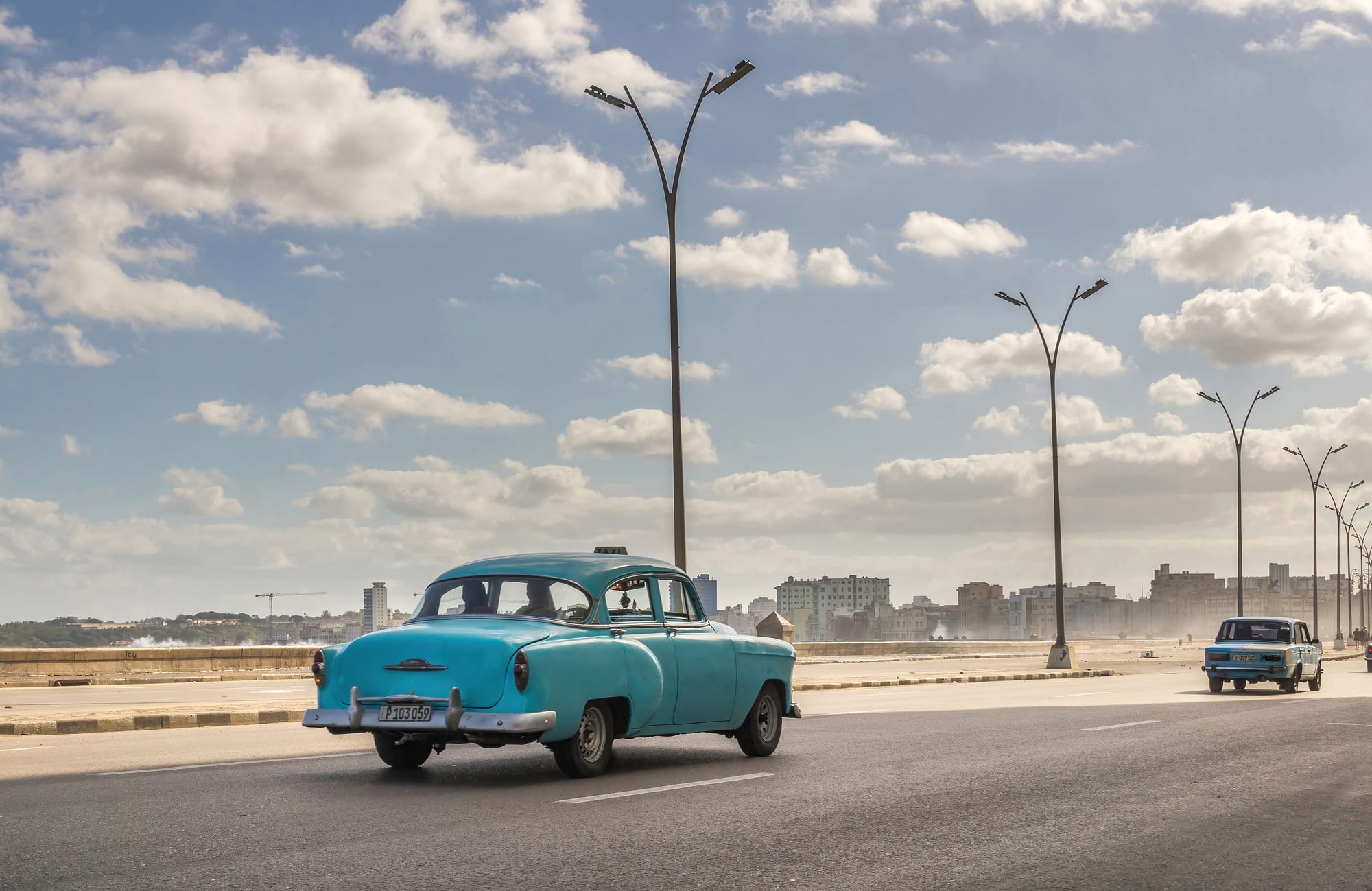
Havana and Varadero have the main airports. The state Víazul bus network connects the main cities and is the standard way for visitors to travel between them; a slow, unreliable train runs the length of the island. Shared taxis (colectivos) fill the gaps, and vintage cars serve as taxis in the cities. Fuel is the problem: Cuba stopped refuelling airliners at its airports in February 2026, several foreign airlines suspended their routes, and visitor numbers fell steeply.
Book Víazul tickets in advance; fuel shortages regularly disrupt flights, buses, and taxis, so confirm services are running and keep plans flexible.
📅 Best Time to Visit
December to April for the most comfortable weather and the least rain, and the busiest season around Christmas, New Year, and Easter. May and November are quieter shoulder months. Avoid the peak hurricane months if you can.
- Events
- Havana's Jazz Festival; Santiago's Carnival (July); the Havana Biennial arts event
💱 Currency
The currency is the Cuban peso (CUP). The unification of 1 January 2021 abolished the convertible peso (CUC) and left the peso as the only legal tender, but the system has been chaotic ever since: an official rate, a second official rate introduced in December 2025, and a far weaker informal rate, which passed 700 pesos to the US dollar in September 2026. Many tourist services are priced in US dollars or euros. Bring cash; change only small amounts at a time.
- Symbol
- $
- Cash To Bring
- Euros or US dollars in cash; US-issued cards do not work
- Currency Code
- CUP — Cuban peso
💬 Language
Spanish is the official language, spoken with a fast Caribbean accent that drops final consonants. English is spoken by people working in tourism in Havana, Varadero, and the main sites, but far less widely elsewhere.
- English
- In tourism hubs; limited elsewhere
- Official Language
- Spanish (Cuban)