History
Before the Spanish arrived, western Cuba was home to the Guanahatabey, a people of fishers and gatherers on the Guanahacabibes peninsula, and to Taíno communities further east. The town of San Cristóbal de la Habana was founded in 1514 on the south coast and moved to its present harbour on the north coast by 1519. That deep, sheltered bay made Havana the meeting point of Spain's treasure fleets, which gathered there before sailing for Seville, and the crown built the Castillo de la Real Fuerza, El Morro and a ring of walls to defend it. Havana became the capital of the colony in the 16th century.
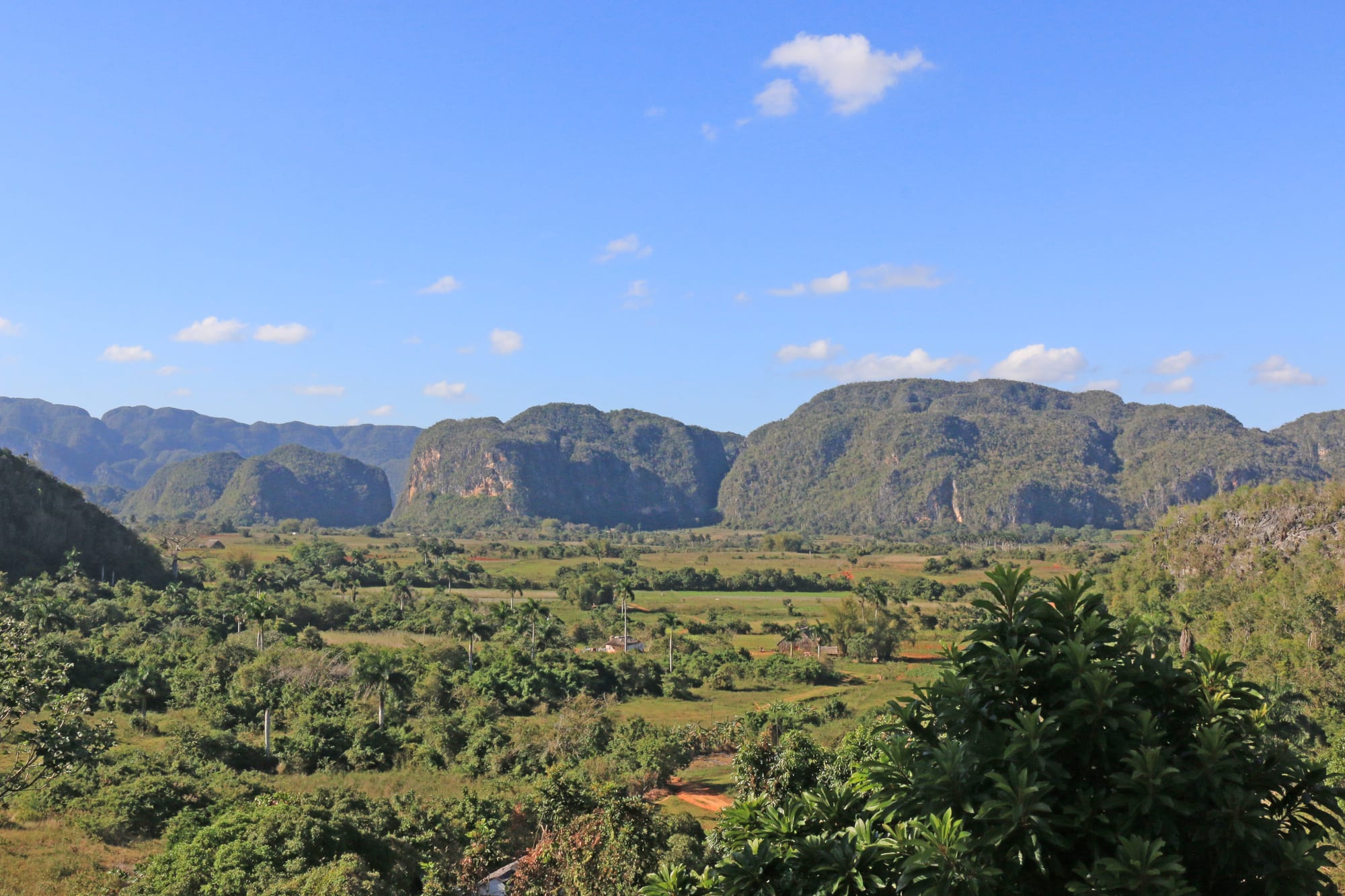
A British force captured the city in 1762, and Spain recovered it the next year in exchange for Florida. After the occupation Spain built the vast La Cabaña fortress, and the opening of trade fed a boom in sugar in the plains east of the city, while the hills of Pinar del Río turned to tobacco. The Vuelta Abajo district there became famous for the finest cigar leaf.
The 20th century brought American money, casinos and hotels to Havana. The Isle of Pines, off the south coast, had an unsettled status, with many American landowners, until a treaty ratified in 1925 confirmed it as Cuban; its Presidio Modelo later held Fidel Castro after the 1953 Moncada attack. After the 1959 revolution Havana became the seat of the one-party state, the island was renamed the Isle of Youth in 1978, and in 1962 Soviet missile sites in Pinar del Río were at the centre of the missile crisis. The anti-government protests of July 2021 began with demonstrations in San Antonio de los Baños, in Artemisa, and Palma Soriano, in the east, before spreading to Havana and across the country.