History
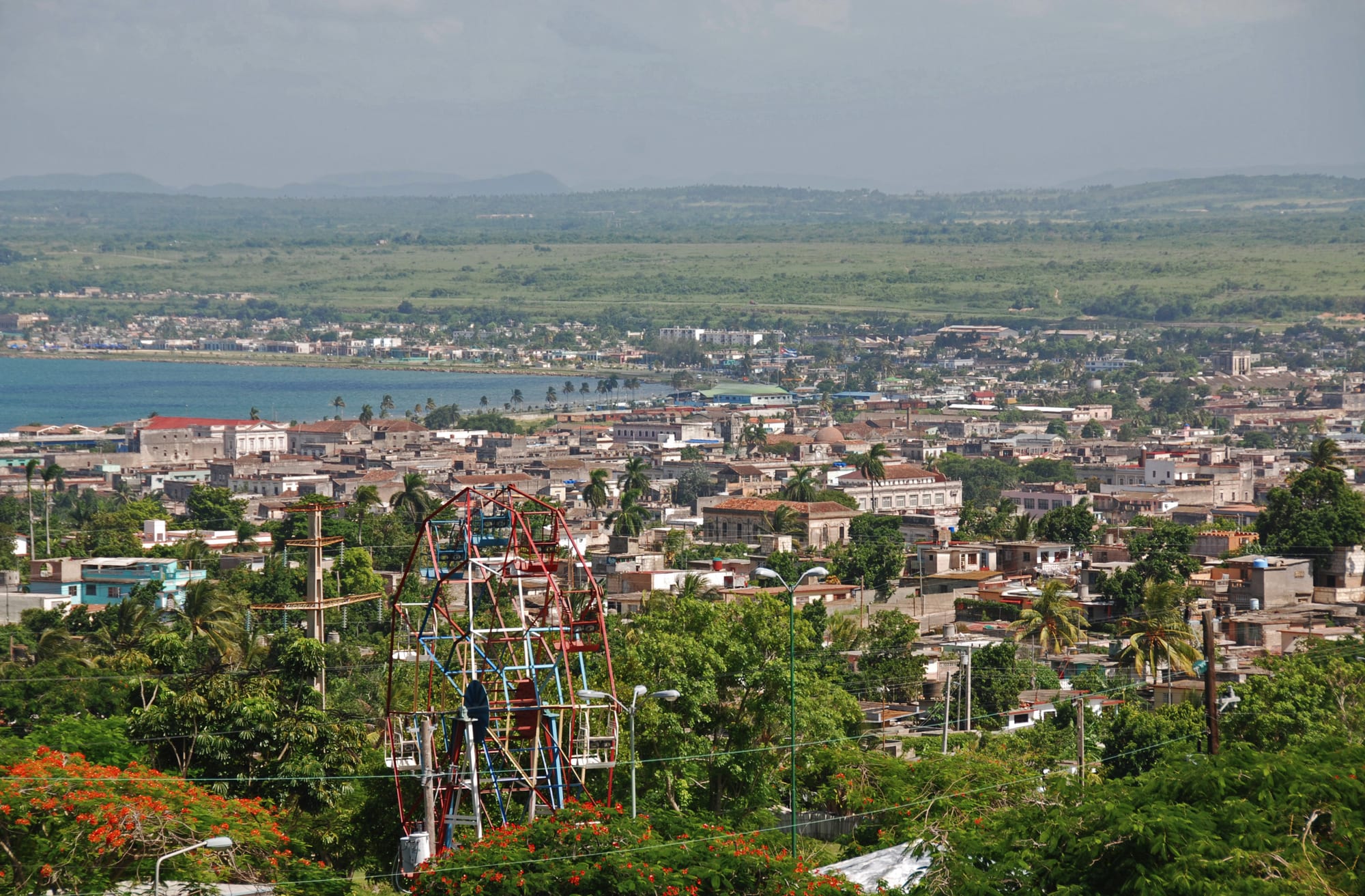
The Spanish founded Matanzas in 1693 on a deep bay between the Yumurí and San Juan rivers, and for a century it was a small port. It boomed in the 19th century, when the plains around it and Cárdenas were covered with sugar mills worked by enslaved Africans, and by 1841 enslaved people made up more than three-fifths of the population of Matanzas. Resistance followed: an 1843 uprising at the Triunvirato estate, led in local memory by a woman named Carlota, and the harsh repression of the alleged La Escalera conspiracy in 1844, when many free Black and enslaved people were tortured or killed.
Sugar money built the city's theatres, libraries and mansions and earned Matanzas the name Athens of Cuba for its poets and musicians. In 1850 the filibuster Narciso López landed at Cárdenas and raised the flag that later became Cuba's national flag. In the 20th century the American industrialist Irénée du Pont bought land on the Hicacos Peninsula and built the mansion known as Xanadu, and Varadero grew into a resort for wealthy Cubans and Americans.
In April 1961 about 1,400 Cuban exiles trained by the CIA landed at the Bay of Pigs, on the southern coast; they were defeated within three days at Playa Girón. After the Special Period of the 1990s Varadero became the centre of the state's drive for foreign tourism. In 2022 a lightning strike set off a fire at the oil storage base in Matanzas that burned for days.