💰 Budget
Loja is cheaper than Cuenca and sees fewer foreign visitors, so hotels and restaurants are priced mostly for Ecuadorians. The almuerzo set lunch keeps eating cheap, taxis within the city are inexpensive, and trips to Podocarpus and El Cisne are the main extra costs.
- Daily Budget Midrange
- USD 55–110 (central hotel, restaurant dinners, a taxi or guide to Podocarpus)
- Daily Budget Shoestring
- USD 25–40 (hostel or simple hotel, almuerzo set lunches, city buses and taxis)
The El Cisne pilgrimage in August and the November festivities bring thousands of pilgrims and visitors to the city.
📅 Best Time to Visit
The city is pleasant all year. In Loja the driest months are July to November. August brings the pilgrimage of the Virgin of El Cisne, the city's largest event, and November its independence celebrations.
⏳ Suggested Number of Days
One or two days cover the centre, its churches and museums. Allow three to five to add the national park, the valley to the south and the shrine and highland towns to the north. Many travellers use the city as a base rather than a destination.
- First Visit
- 1–2 days
- With Surroundings
- 3–5 days
🚆 Transportation
The centre is walkable, and taxis are cheap and plentiful for anything further. City buses link the districts, and the bus terminal has services to Vilcabamba, Cuenca, Guayaquil, Quito and across the border to Peru.
Take a taxi to the Cajanuma entrance of Podocarpus and arrange the return in advance.
🛬 Airport & Station Connections
Ciudad de Catamayo Airport, in a valley town 18 km west of Loja, has flights to Quito and Guayaquil. Buses reach Loja from Cuenca in about four to five hours, and from Guayaquil and Quito in much longer journeys.
🚶 Walkability
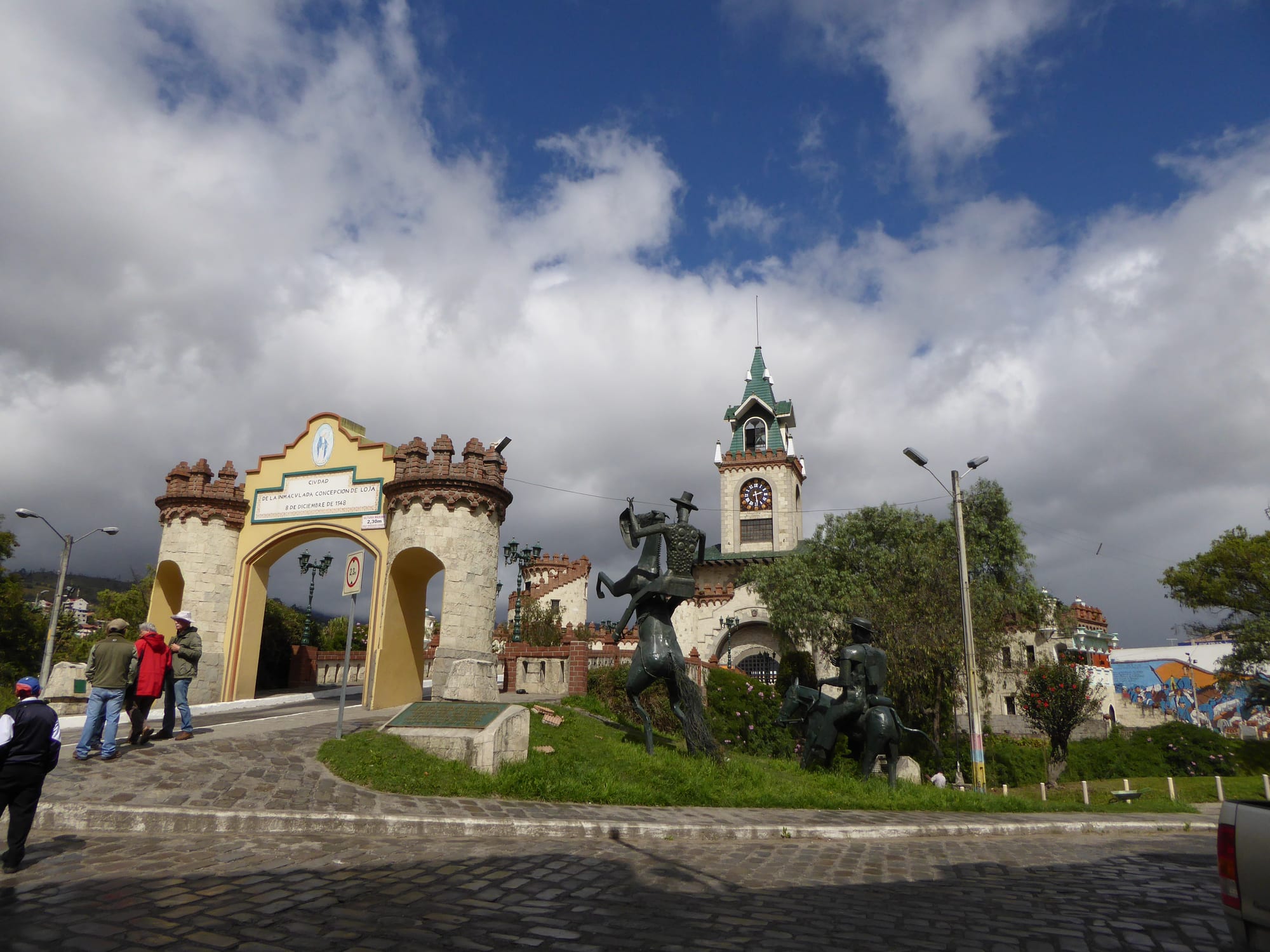
The historic centre is compact and mostly level, with the cathedral, the San Sebastián plaza and the main museums a few blocks apart, and a long orange stripe on the pavement leads walkers from the city gate through the sights. Paths follow the two rivers, and the parks lie further out.
🛡️ Safety
Ecuador's security has deteriorated sharply since about 2019, with a surge in organised crime, gang violence, and prison unrest, especially in Guayaquil, Esmeraldas, Manta, and the northern border with Colombia. The southern highlands are among the calmer parts of the country, though petty theft, bag-snatching and occasional robberies occur and crime has risen here as it has nationwide. Landslides affect mountain roads in the rainy season.
Keep valuables out of sight in crowds, especially during the pilgrimage, use registered taxis at night, and travel by day on mountain roads. Check current official travel advice before travelling.
🌦️ Climate
A mild Andean climate with an average temperature of about 16°C, generally warm during the day and colder and often wetter at night, and mornings are often misty.
- Summer
- July–November, the driest months: an average temperature around 16°C, with June and July the windy season
- Winter
- December–June, the wetter months: an average still around 16°C, with more frequent rain
🤝 Local Customs
Lojanos are proud of their musical tradition, and it is common to hear people singing as they go about their day. The city is devoutly Catholic, and the Virgin of El Cisne is deeply venerated.
Dress modestly in churches and stand aside respectfully for processions; ask before photographing people, including Saraguro families in traditional dress.
💳 Common Payment Methods
The currency is the US dollar. Cards are accepted in hotels, larger restaurants and supermarkets, but markets, taxis and buses take cash. ATMs are common in the centre; carry small notes, as change for large bills can be hard to find.