History
The southern highlands were the land of the Cañari, a confederation of peoples who resisted the Inca advance in the late fifteenth century before being absorbed. Tupac Inca Yupanqui built a new city, Tomebamba, on the site of today's Cuenca, and his son Huayna Capac was born there; chroniclers described it as a rival to Cusco. At Ingapirca the Inca built over an older Cañari sanctuary. During the civil war between Atahualpa and Huáscar, Tomebamba was sacked, and many Cañari later sided with the Spanish against the Inca.
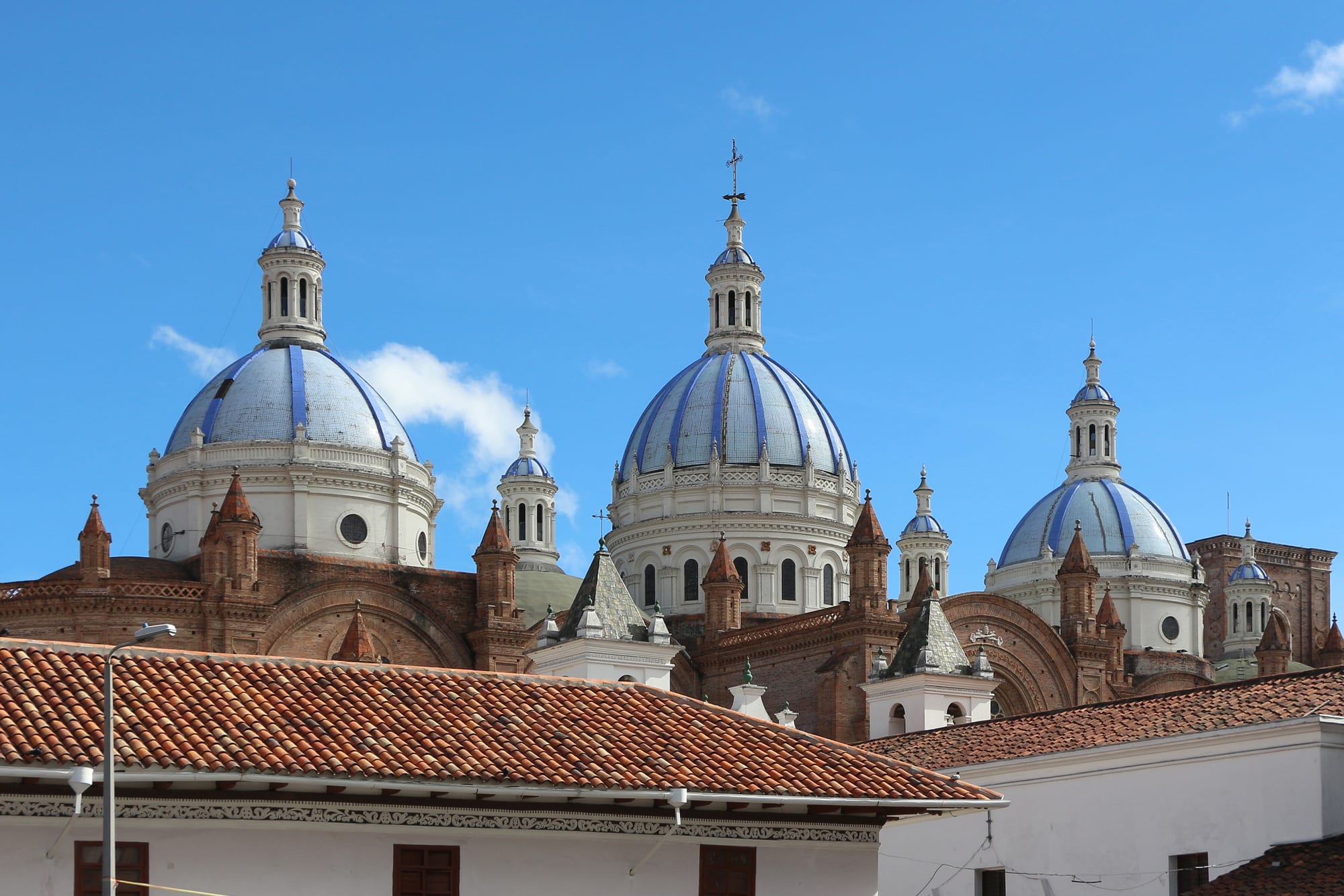
Gil Ramírez Dávalos founded Santa Ana de los Ríos de Cuenca in 1557 on the old Inca site, and Loja had been founded a decade earlier, in 1548, as a base for gold mining and the push into the Amazon. Cuenca declared its independence on 3 November 1820, and the south joined Gran Colombia and then Ecuador.
In the nineteenth and twentieth centuries the region grew on toquilla-straw hats, woven here for export through Panama and sold as "Panama hats", and on quinine bark from the Loja forests. When the hat trade declined, many emigrated, and since the economic crisis of the 1990s Azuay and Cañar have been areas of heavy emigration, above all to the United States, Spain and Italy. The Paute river hydroelectric complex, built from the 1970s, made Azuay central to the national power supply.