💰 Budget
Staying in Coca itself is inexpensive, with simple hotels and set lunches. Most visitors pass through on the way to a lodge downriver, and those stays are sold as all-inclusive packages of three or four nights with transport, guides and meals — among the most expensive places to stay in mainland Ecuador.
- Daily Budget Midrange
- USD 70–130 in town; USD 100–350 per person per day at a Napo jungle lodge, all-inclusive
- Daily Budget Shoestring
- USD 30–50 in town (basic hotel, almuerzos, buses)
Compare what lodge packages include — flights, park fees, guide ratios — and book through established operators rather than on the street in Coca.
📅 Best Time to Visit
The forest can be visited all year, and wildlife is always present. Rain falls in every month; wetter spells mean higher water and easier canoe access into flooded forest, drier spells more trails and exposed river beaches.
⏳ Suggested Number of Days
A day or two covers the town itself. Most visitors use Coca as a starting point, and a stay with a trip downriver usually runs to four to six days, since lodge packages are three or four nights and river travel and flights can be delayed by weather.
- First Visit
- 1–2 days
- With Surroundings
- 4–6 days
🚆 Transportation
The city has an expanding urban bus service and plenty of taxis, and buses link it with nearby parishes and towns. Travel downriver is by motor canoe from the riverfront; lodges arrange their own transfers.
Allow a buffer day between a lodge stay and an onward flight, as rain and river levels can delay canoes and flights.
🛬 Airport & Station Connections
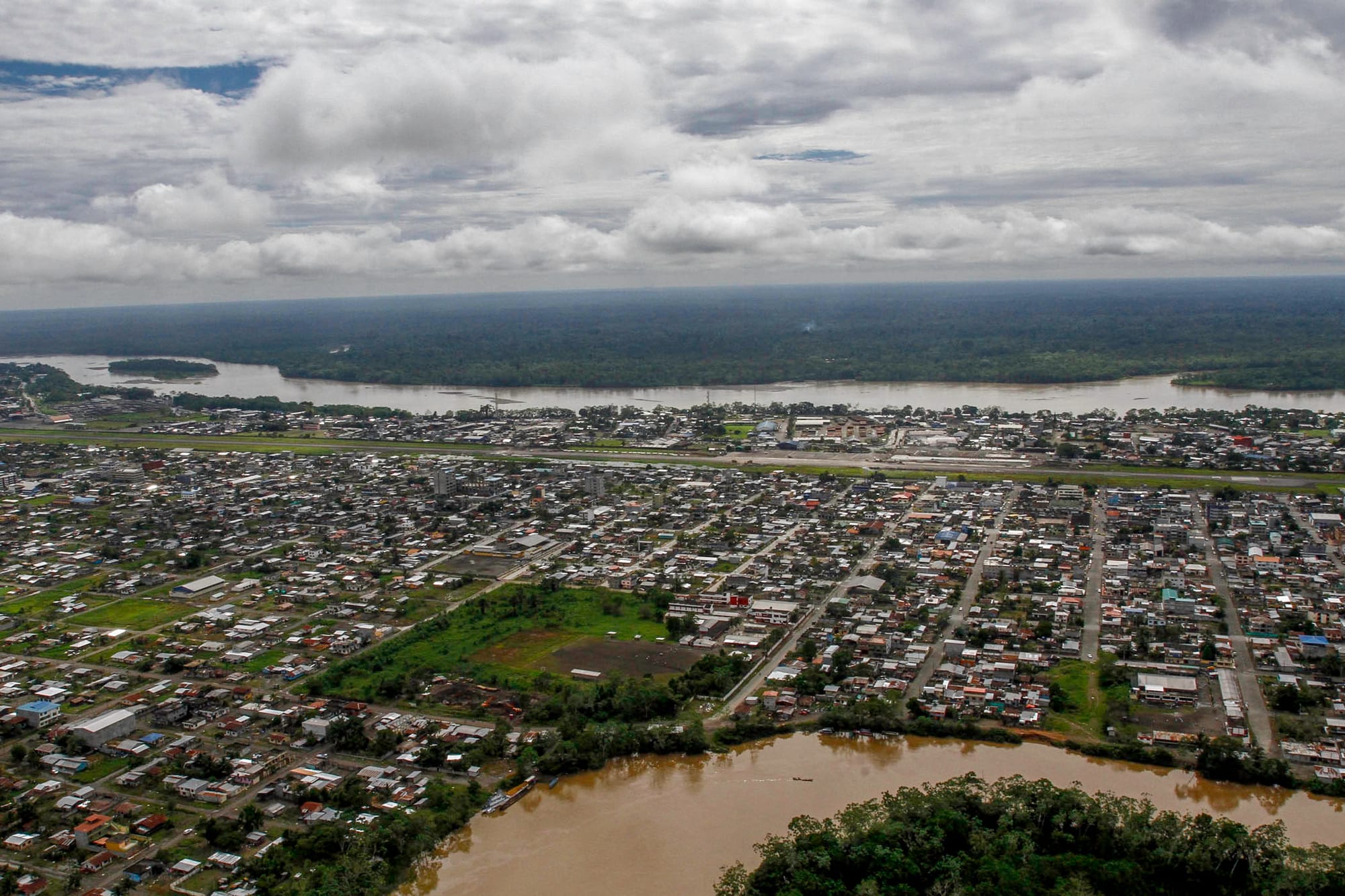
Francisco de Orellana Airport lies within the town, alongside the Coca river, and LATAM and Aeroregional fly between it and Quito. By road the trip from Quito is long and winding, and buses from the terminal also run to Tena and Lago Agrio.
🚶 Walkability
The centre and the malecón are flat and compact enough to walk, and the airport is close to town. Heat, humidity and heavy downpours make taxis the easy choice for anything further, especially at night.
🛡️ Safety
Ecuador's security has deteriorated sharply since about 2019, with a surge in organised crime, gang violence, and prison unrest, especially in Guayaquil, Esmeraldas, Manta, and the northern border with Colombia. In the Amazon, Lago Agrio and Coca have more crime than the foothill towns and the lodge circuit, and the Sucumbíos border zone to the north should be avoided. Health risks are real: yellow fever vaccination is recommended, malaria and dengue occur in parts of the lowlands, and rivers rise fast after rain.
Use registered taxis, especially after dark, book lodges and guides through established operators, and get vaccinated and use repellent. Check current official travel advice before travelling.
🌦️ Climate
A tropical rainforest climate with heavy rain all year. The average temperature is about 24°C and changes by less than 2°C between months, and humidity averaging about 89 per cent makes the heat feel much stronger.
- Summer
- December–June, the warmer and rainier season: February is the warmest month, averaging about 25°C
- Winter
- July–November, slightly cooler and less wet: August averages about 23°C
🤝 Local Customs
Coca is a settler city: most residents or their parents came from the highlands, from the coastal provinces of Manabí and Esmeraldas, or from Colombia, and they live alongside Kichwa communities on the Napo and the Waorani of the Yasuní region. When visiting Indigenous communities, follow the guide's lead; chicha de yuca may be offered as a welcome.
Ask before photographing people, and respect the untouchable zone protecting the isolated Tagaeri and Taromenane.
💳 Common Payment Methods
Ecuador uses the US dollar. Bring small, clean notes: breaking a USD 20 can be hard and damaged bills are refused. Cards work at larger hotels and businesses in town, but cash is needed for taxis, buses, meals and anything downriver.