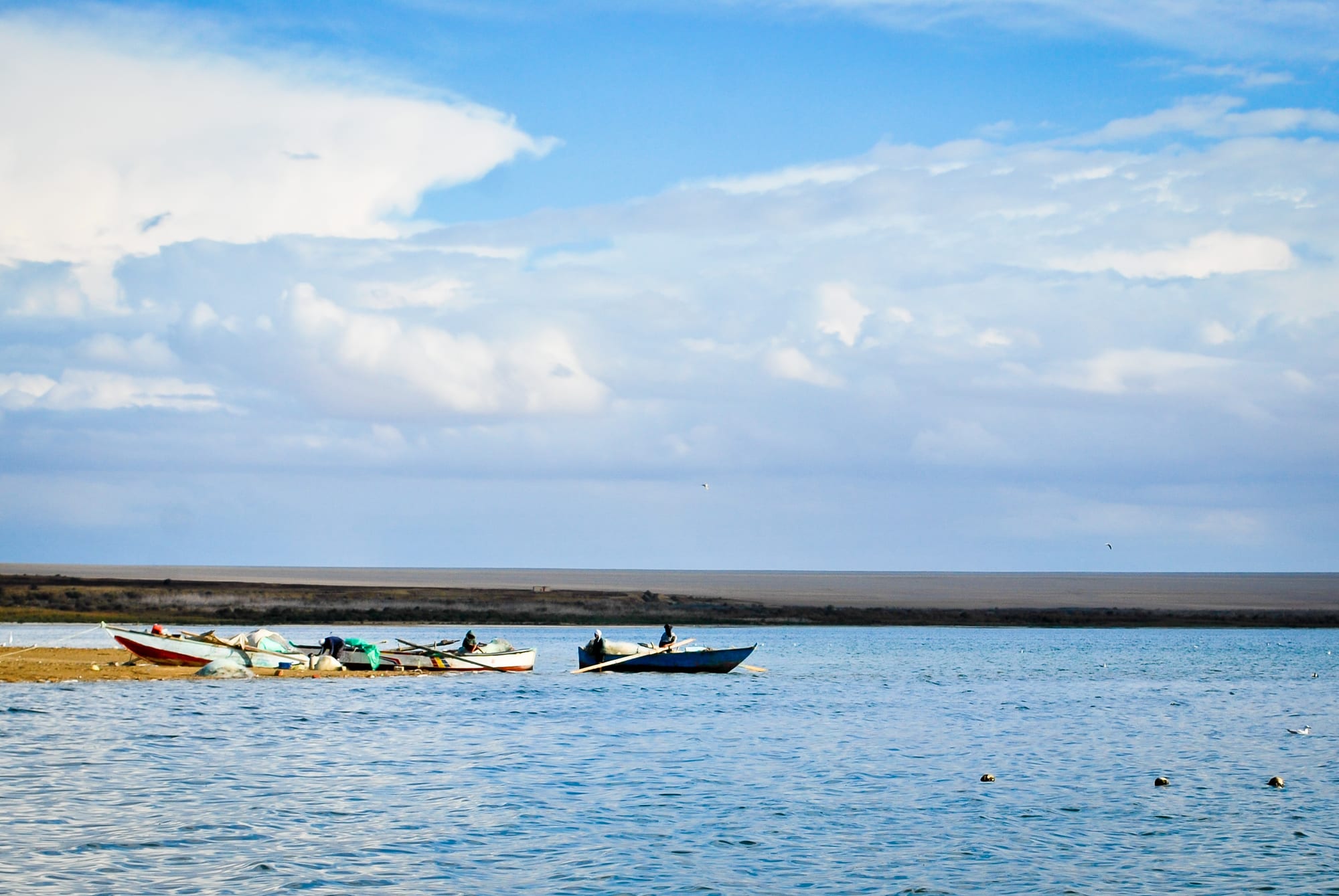
Small fishing boats drawn up on a sandy spit in a blue desert lake under a wide cloudy sky

Cairo, Giza & the Faiyum, Egypt

Faiyum

Fishing boats on the lakes of Wadi El Rayan, in the desert south-west of Faiyum. (Mohammed Moussa / Wikimedia Commons · CC BY-SA 4.0)

The main town of the Faiyum, a large depression west of the Nile watered by a branch canal rather than by the river itself. Built on the site of the ancient Crocodilopolis, it is a market and administrative centre of canals, waterwheels and crowded streets, surrounded by orchards and fields and within reach of Lake Qarun, Greco-Roman ruins and the desert reserves to the south-west.

Neighbourhoods

  • The town centre and the waterwheels
    • First-time visitors
    • Markets
    • Historic district

    The heart of the town, where the Bahr Yussef canal runs between buildings and large wooden waterwheels turn in the current. Shops, cafés, government offices and the main mosques are within a short walk, and the sound of the wheels carries through the surrounding streets.

    Open in Maps
  • The souk quarter
    • Markets
    • Local life

    A dense grid of lanes north and east of the canal given over to produce, fish from the lake, fabric, hardware and spices. It is busiest in the morning, and the streets are shared with handcarts and donkey carts.

    Open in Maps
  • The lake shore at Shakshuk
    • Fish restaurants
    • Quiet and residential

    A strip of fishing landings, simple hotels and open-air fish restaurants on the southern shore of Lake Qarun, about half an hour north of the town, where boats are drawn up on the sand and birds work the shallows.

    Open in Maps
  • The orchard villages
    • Rural scenery
    • Quiet and residential

    The ring of farming settlements around the town, where the canal network fans out through orchards of citrus, olives, figs and mangoes. Mud-brick and red-brick houses, dovecotes and irrigation channels set the pattern of life.

    Open in Maps

Things to do

The oasis and its water

  • Lake Qarunattraction

    The salt lake at the bottom of the depression, a remnant of the far larger ancient Lake Moeris, edged by reeds and fishing villages and important for migrating birds.

    Open in Maps
  • Faiyum Oasisattraction

    The depression itself, watered by a branch of the Nile rather than by wells, which makes it unlike the true oases of the Western Desert.

    Open in Maps
  • Bahr Yussefattraction

    The ancient channel that carries Nile water into the depression through a narrow gap in the desert hills, and the reason the oasis exists.

    Open in Maps
  • Wadi El Rayanpark

    A protected area about 50 kilometres south-west, where drainage water fills two desert lakes linked by low waterfalls, with sand dunes, sulphur springs and gazelle surviving in small numbers.

    Open in Maps
  • Wadi Al-Hitanattraction

    The Valley of the Whales, a UNESCO World Heritage Site inscribed in 2005 beyond Wadi El Rayan, where fossil skeletons of early whales lie in the desert along a marked trail walked with a guide.

    Open in Maps

Ancient sites

  • Karanislandmark

    A large Greco-Roman farming town at Kom Aushim in the north-eastern corner of the oasis, with two stone temples, houses, granaries and a bath complex.

    Open in Maps
  • Hawaralandmark

    The mud-brick pyramid of Amenemhat III south-east of the town, beside the vanished building that classical writers described as the Labyrinth, and a cemetery that yielded many Faiyum portraits.

    Open in Maps
  • Lahunlandmark

    The pyramid of Senusret II at the gap where the canal enters the depression, with the remains of a purpose-built workers' town alongside it.

    Open in Maps
  • Qasr Qarunlandmark

    A well-preserved Ptolemaic temple of the crocodile god Sobek at the western end of Lake Qarun, standing alone in the sand beside the remains of the Greco-Roman town of Dionysias.

    Open in Maps
  • Medinet Madilandmark

    A Middle Kingdom temple of the harvest goddess Renenutet approached by a long paved processional way in the desert south-west of the town, later enlarged by the Ptolemies.

    Open in Maps

Short trips

  • Tunis villageneighborhood

    A pottery village on the hillside above the southern shore of Lake Qarun, with workshops, kilns and mud-brick guesthouses looking over the water.

    Open in Maps
  • Meidumlandmark

    A collapsed early pyramid standing like a tower on the desert edge east of the oasis, begun for Huni or Sneferu and surrounded by its own rubble.

    Open in Maps

Seasonal events

  • Ramadan nightsthe month of Ramadan

    The town is quiet by day and busy after sunset, with lanterns over the canal, tables set out in the streets and shops open until very late.

  • Sham el-Nessimspring, the Monday after Coptic Easter

    Families picnic along the canals and on the shore of Lake Qarun with salted fish, spring onions and coloured eggs on this ancient spring holiday.

  • Migrating birds on Lake Qarunautumn to early spring

    The lake and the desert pools of Wadi El Rayan draw flamingos, waders and ducks wintering away from Europe and Asia, and birdwatchers with them.

  • The citrus and olive harvestsautumn and early winter

    Oranges, olives and figs come in from the surrounding orchards, filling the markets and the lorries heading for Cairo.

Eat and drink

Long-standing places and food districts in Faiyum. Hours, ratings and directions come from your maps app, always current.

Faiyum classics

  • Fish restaurants on Lake Qarunrestaurant

    Open-air places along the southern shore grill or fry bolti and other lake fish, served simply with rice, salad and bread.

    Open in Maps
  • The town marketmarket

    Produce from the surrounding orchards and fields — oranges, olives, figs, mangoes, dates and vegetables — alongside fish, poultry, cheese and spice stalls.

    Open in Maps
  • Ful and ta'meya counters in the centrerestaurant

    Fava beans stewed overnight and the Egyptian fava-bean falafel, ta'meya, are sold in bread from dawn at small shops around the canal and the bus station.

    Open in Maps

Experience Faiyum

History

The depression was a marshy lake basin fed by a side channel of the Nile until the kings of the 12th Dynasty, around 1900 BC, turned it into one of the ancient world's great water projects: they deepened the channel, built regulators at the entrance near Lahun and used the basin as a reservoir, draining part of it for farmland. Amenemhat III, the king most associated with the work, built his pyramid at Hawara beside an immense columned building that Herodotus and Strabo described as the Labyrinth and rated above the pyramids. The town at the centre of the basin was Shedet, called Crocodilopolis by the Greeks, where live crocodiles sacred to the god Sobek were kept and fed.

Under the Ptolemies the basin was drained further and settled with Greek-speaking soldiers and farmers, and new towns such as Karanis, Medinet Madi and Dionysias appeared around its edge. Roman Faiyum grew wheat, olives and wine for the empire, and its dry sand preserved two remarkable things: tens of thousands of documents on papyrus, which describe daily life in more detail than almost anywhere else in the ancient world, and the painted mummy portraits, lifelike panels of wax and pigment fixed over the faces of the dead.

The Arab conquest brought the name Fayyum, and the town remained a provincial centre through the Islamic centuries, its irrigation maintained and its waterwheels turning. Ottoman and 19th-century Faiyum traded in grain, cotton and fruit. In the 20th century the basin was farmed more intensively, drainage water from the fields created the artificial lakes of Wadi El Rayan, and Lake Qarun grew saltier as a result. The town itself has since spread well beyond its canals.

Culture & Customs

The Faiyum is rural Middle Egypt: an agricultural province with a strong sense of its own identity, a slower pace than the capital two hours away, and a way of speaking that Cairenes recognise at once. Family and land shape social life, and the working week follows the irrigation rotation and the market days of the surrounding villages as much as the calendar.

Religious observance is visible and unhurried. Mosques fill for Friday prayers and the streets empty for an hour; moulids at local shrines bring processions, Sufi chanting and fairground stalls; and Coptic families, present here since the early centuries of Christianity, keep their own feasts, with monasteries in the desert nearby. Ramadan reorganises the day completely, and the tables set out in the streets for the fast-breaking meal are a point of pride.

Craft traditions are strong for a province of this size. The best known is the pottery of Tunis village on the lake, taught there since the 1980s and now supporting its workshops and galleries; basketry from lake reeds, weaving and palm-frond work continue in the villages. Pigeon towers, waterwheels and dovecotes are as much a part of the landscape as the orchards. Visitors are still unusual enough to draw friendly curiosity, and a stranger asking directions is likely to be walked to the door rather than pointed towards it.

Daily Life

Several hundred thousand people live in the town and about four million in the wider governorate, one of the most densely farmed parts of Egypt. Most households depend directly or indirectly on the land: citrus, olives, figs, mangoes, dates, wheat, clover and vegetables, with poultry, sheep and buffalo in most villages, and fishing on Lake Qarun and the reserve lakes. Produce leaves for Cairo's markets every night.

The town provides what the countryside needs — the market, the courts and offices, hospitals, schools and a university — along with workshops, brick kilns and small food industries. Work is often informal and seasonal, wages are low, and many young people commute to Cairo or migrate to the Gulf, sending money home. Reclaimed desert land on the fringes has been planted with new orchards, and tourism around the lake and the reserves provides a small but growing number of jobs.

The rhythm of the day starts before dawn with the call to prayer and the first irrigation turns, quietens in the heat of the afternoon and revives in the evening, when the cafés along the canal fill with men drinking tea and playing dominoes. Water is the constant subject: how much reaches the tail of each canal, how salty the lake has become, and how the drainage system copes as the population grows.

Food

Faiyum eats from its own fields and its lake. Bolti, the Nile tilapia, and other freshwater fish from Lake Qarun are grilled over charcoal or fried whole and eaten with rice, tahini, bread and a salad of tomato, cucumber and lime; the fish restaurants along the southern shore are the province's best-known kitchens. Rural cooking is otherwise built on bread, pulses and vegetables: ful medames, ta'meya made from crushed fava beans, lentil soup, and mahshi, vegetables and vine leaves stuffed with rice and herbs.

Village ovens bake feteer meshaltet, the flaky layered pastry eaten with honey, cream or salty cheese, and heavy discs of whole-grain baladi bread. Duck, chicken and pigeon are the festive meats, roast pigeon stuffed with rice or cracked green wheat being a special-occasion dish fed by the dovecotes in the fields. Mish, a sharp aged cheese matured in brine, and fresh white cheese appear at breakfast in most houses.

The orchards define the sweet side of the table. Oranges, mandarins, figs, guava, grapes, dates and mangoes are eaten fresh and pressed into juice, olives are cured and pressed for oil, and prickly pears are sold from barrows in late summer. Tea is drunk very sweet throughout the day, hibiscus tea hot in winter and iced in summer, and the coffee houses along the canal serve thick coffee and shisha late into the night.

Planning tools

Budget

The Faiyum is inexpensive. There are few hotels in the town itself and a scattering of guesthouses and simple lodges around the lake, so most costs go on transport: a hired car and driver for the day is the practical way to reach the ancient sites and the desert reserves, which are far apart and poorly served by public transport. Site and reserve entry fees are modest.

Daily Budget Midrange
USD 75–150 (mid-range hotel, restaurant meals, a driver or guide for Saqqara and Dahshur, museum tickets)
Daily Budget Shoestring
USD 20–40 (simple hotel or guesthouse, market food and fish lunches, microbuses and shared taxis)

Agree the full day rate and the list of stops with a driver before setting out, and carry small notes, as change is scarce outside the town.

Best Time to Visit

October to April, when the desert reserves are walkable and the lake is at its best for birds. Winter days are mild and the orchards are in fruit. Spring brings dusty khamsin winds. Summer is very hot in the open desert at Wadi El Rayan and Wadi Al-Hitan, where there is no shade, so visits are made early in the day.

Suggested Number of Days

A single day is enough for the town and the lake shore. Two or three allow the ancient sites and the desert reserves as well, which take a long time to reach. Staying overnight in the oasis rather than travelling out from Cairo saves several hours of driving.

First Visit
1 day
With Surroundings
2–3 days

Transportation

Microbuses and shared taxis run between the town and the surrounding villages, the lake shore and the Cairo road, and are cheap but crowded. There is no useful public transport to Wadi El Rayan, Wadi Al-Hitan or most of the ancient sites, so visitors hire a car with a driver for the day or arrange transport through a guesthouse. Tracks in the reserves need a four-wheel-drive vehicle in places.

Fill the tank before heading into the reserves, and expect police checkpoints on the roads into and out of the oasis, where passports may be checked.

Airport & Station Connections

The oasis lies about 100 kilometres south-west of Cairo, roughly two hours by road along the desert highway, and buses and microbuses run frequently from the capital and from Giza. Beni Suef, on the Nile about an hour to the east, is the nearest town in the valley. Many visitors come as a long day trip from Cairo with a hired car.

Walkability

The centre of the town is walkable and best seen on foot: the canal, the waterwheels, the mosques and the market are all within a few hundred metres of one another. Beyond that nothing is within walking distance. The lake shore, the ancient sites and the reserves are spread over tens of kilometres of farmland and desert, and the roads have no pavements.

Safety

The oasis is quiet and sees few foreign visitors, and crime against them is rare. The real risks are road conditions, fast traffic on the desert highway, heat and dehydration in the reserves, and getting stuck in soft sand away from the surfaced roads. Swimming in Lake Qarun is limited by its salinity and by pollution in places. Police checkpoints are common.

Buy tickets only at official counters, agree prices before any ride at Giza, dress modestly away from hotels, and cross roads with local pedestrians. Check current official travel advice before travelling.

Climate

Hot desert with almost no rain, slightly softened near the lake and the irrigated fields, where humidity is a little higher than in the open desert. Nights cool quickly in winter, and spring winds carry dust across the depression.

Summer
very hot — days around 35–38°C in the open desert, with cooler air near the lake in the evening
Winter
mild and dry — days around 19–22°C, with cold nights out in the reserves

Local Customs

This is a conservative farming province where foreign visitors are uncommon, and modest dress covering shoulders and knees matters more than in Cairo. Greetings are formal and unhurried, and hospitality — tea pressed on a visitor at a workshop or a farm — is normal and hard to refuse. Small tips are expected for guarding a car, opening a gate or guiding at a site.

Ask before photographing people, houses or farm work, do not photograph checkpoints or bridges, and during Ramadan avoid eating, drinking or smoking outdoors in daylight.

Common Payment Methods

The currency is the Egyptian pound, and the oasis runs on cash. ATMs are found in the town centre but are scarce outside it, and cards are accepted only at a handful of hotels. Carry enough small notes for fares, entry fees, meals and tips before leaving the town.