💰 Budget
Aveiro is cheaper than Lisbon or Porto, with good-value guesthouses and inexpensive snack bars, pastelarias and neighbourhood restaurants. Prices rise in summer, the busiest season, when visitors come for the nearby beaches, and seafood restaurants at Barra and Costa Nova cost more than the city's everyday places.
- Daily Budget Midrange
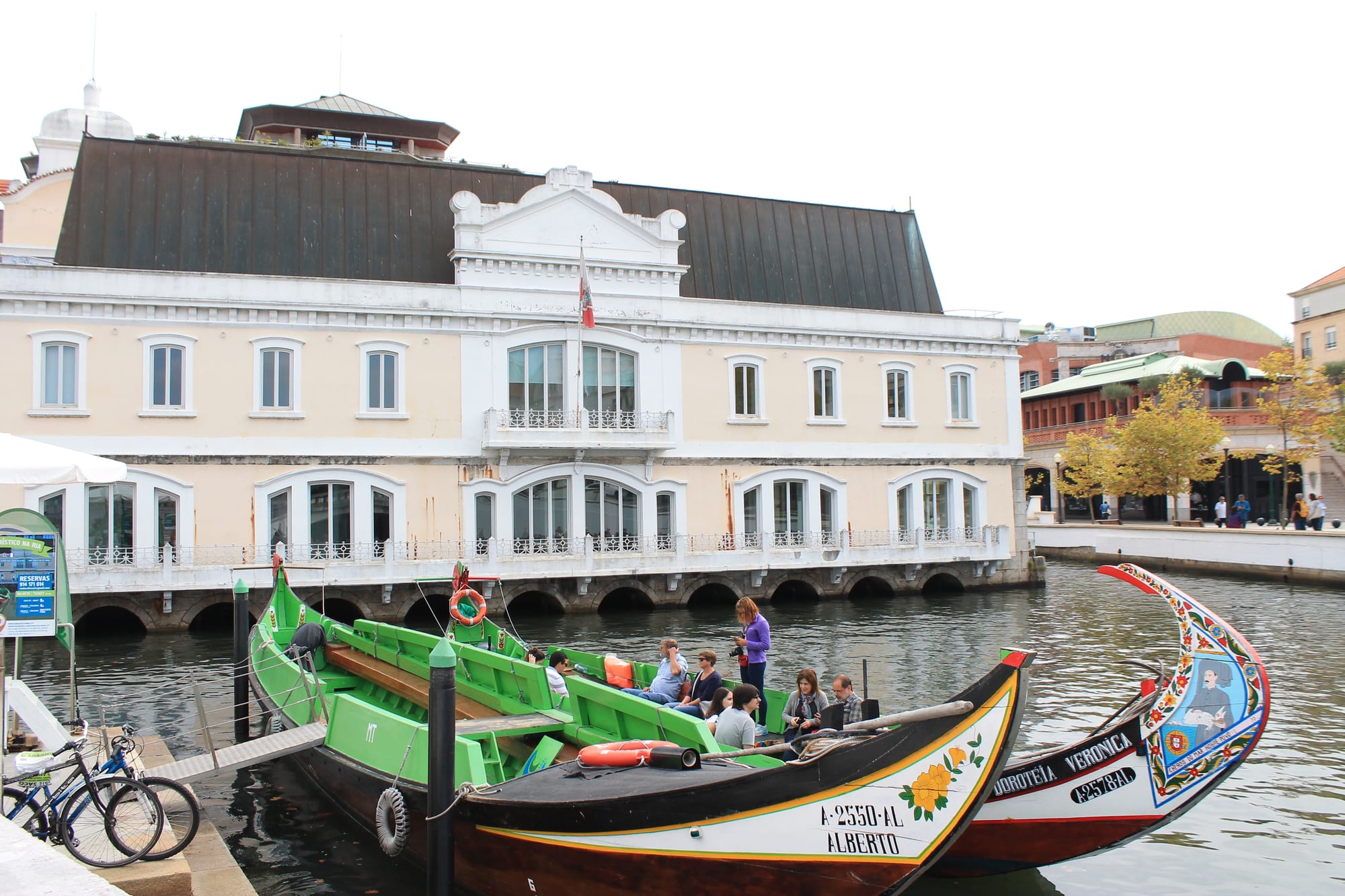
- USD 100–190 (mid-range hotel, restaurant dinners, a moliceiro trip and museum tickets)
- Daily Budget Shoestring
- USD 45–80 (hostel or guesthouse, set lunches and pastries, buses and bicycles)
Walk and cycle rather than drive in the centre, where street parking is scarce and metered; the canals, the Art Nouveau houses and the beaches cost nothing.
📅 Best Time to Visit
May to September for the beaches and the canals, with June to August the busiest months. Spring and early autumn are quieter and still mild. November to January is the rainiest part of the year, and autumn and winter bring strong coastal winds that suit kitesurfing and windsurfing.
⏳ Suggested Number of Days
The compact centre takes one or two days. Allow three or four with the beaches, the lagoon and neighbouring Ílhavo, or as a base for trips along the coast. Summer beach traffic can slow journeys to the coast.
- First Visit
- 1–2 days
- With Surroundings
- 3–4 days
🚆 Transportation
The centre is easily covered on foot, and the city is good for cycling; free public bicycles called BUGA have long been offered. Local buses are of little use inside the centre but reach Barra and Costa Nova. A ferry crosses the lagoon mouth to São Jacinto.
In summer, take the bus or a bicycle to the beaches rather than a car, as traffic can come to a near standstill.
🛬 Airport & Station Connections
Aveiro is on the main Lisbon–Porto railway line, about an hour by train from Porto and two hours from Lisbon, served by Alfa Pendular, Intercity, regional and suburban trains. International flights arrive at Porto and Lisbon. Intercity coaches link Aveiro with Porto and Lisbon several times a day, and the A1 and A25 motorways pass close by.
🚶 Walkability
Very good. The historic centre, the canals, the cathedral, the museum and the fish market square are close together, and the station is a little over a kilometre along the main avenue from the canal bridges. The land is flat.
🛡️ Safety
Portugal is one of the safest countries in Europe, with low violent crime. Aveiro is a calm university city. The main hazards are at the coast, where Atlantic beaches have strong currents, and in summer traffic on the roads to the beaches.
Swim where lifeguards are on duty, heed beach flags, and leave nothing visible in cars parked at the beaches. Check current official travel advice before travelling.
🌦️ Climate
A warm-summer Mediterranean climate moderated by the Atlantic and the lagoon, with a narrow range of temperatures. Summers are dry and much cooler than inland areas at the same latitude; winters are mild and wet, and frosts are very rare.
- Summer
- dry and mild — daytime temperatures average around 24–25°C, and days above 32°C are only occasional
- Winter
- mild and wet, with the most rain from November to January; frosts are very rare, with temperatures below 0°C on only about two days a year
🤝 Local Customs
Daily life follows the Portuguese rhythm of coffee at the café, a long lunch and dinner around eight. Tipping is modest and not obligatory; rounding up or leaving a little in restaurants is appreciated. Churches expect covered shoulders and quiet, and services should not be interrupted for photographs. A polite greeting goes a long way.
Say 'bom dia' or 'boa tarde' when entering a shop or café, and dress modestly inside the cathedral and the museum's chapel.
💳 Common Payment Methods
The currency is the euro. Cards and contactless payment are widely accepted, and Multibanco ATMs are common in the centre. Carry a little cash for small cafés, pastelarias and market stalls.