💰 Budget
Antakya is inexpensive by Turkish standards and far cheaper than the Antalya resorts. Rebuilding since 2023 has made rooms scarcer than they were, however, and contractors and aid workers take up much of the accommodation, so hotel prices do not always follow the general level of prices. Meals, museum entry and transport are all cheap.
- Daily Budget Midrange
- USD 90–200 (hotel room, restaurant meals with meze, museum entry, a car or driver for the coast)
- Daily Budget Shoestring
- USD 30–50 (simple hotel, lokanta meals, city minibuses)
Book a room before arriving rather than looking on the day, and eat where local families eat — künefe, hummus and kebab cost very little here.
📅 Best Time to Visit
March to May and October to November are the most comfortable months, warm but not punishing, with green hills and running water at Harbiye. Summer is hot and humid, winter mild and wet with grey days. The seasons themselves are unchanged by the war that began in February 2026, although aviation and tourism across the wider region have been disrupted.
⏳ Suggested Number of Days
A day or two is enough for the city itself. Three or four suit a stay that takes in the coast and the villages of the province. How much of the historic centre is accessible changes as rebuilding goes on, which affects how long a stay is worthwhile.
- First Visit
- 1–2 days
- With Surroundings
- 3–4 days
🚆 Transportation
City minibuses and shared taxis run along the main avenues and out to Harbiye, Samandağ and İskenderun, and intercity buses leave from the terminal on the edge of town. Taxis are cheap. A hire car or a driver makes the coastal sites and villages much easier, since services to them are infrequent outside the working day.
Some streets in the old city remain closed to traffic or under construction, so expect detours and walk the last stretch.
🛬 Airport & Station Connections
Hatay Airport lies on the Amik plain about 25 kilometres north of the city, a drive of half an hour, with flights to Istanbul and Ankara; Adana's airport, about three hours away by road, is the larger alternative. Intercity buses connect Antakya with Adana, Gaziantep, Ankara and Istanbul. Air travel across the Middle East has been disrupted since the war that began in February 2026, and schedules at the region's airports can change at short notice.
🚶 Walkability
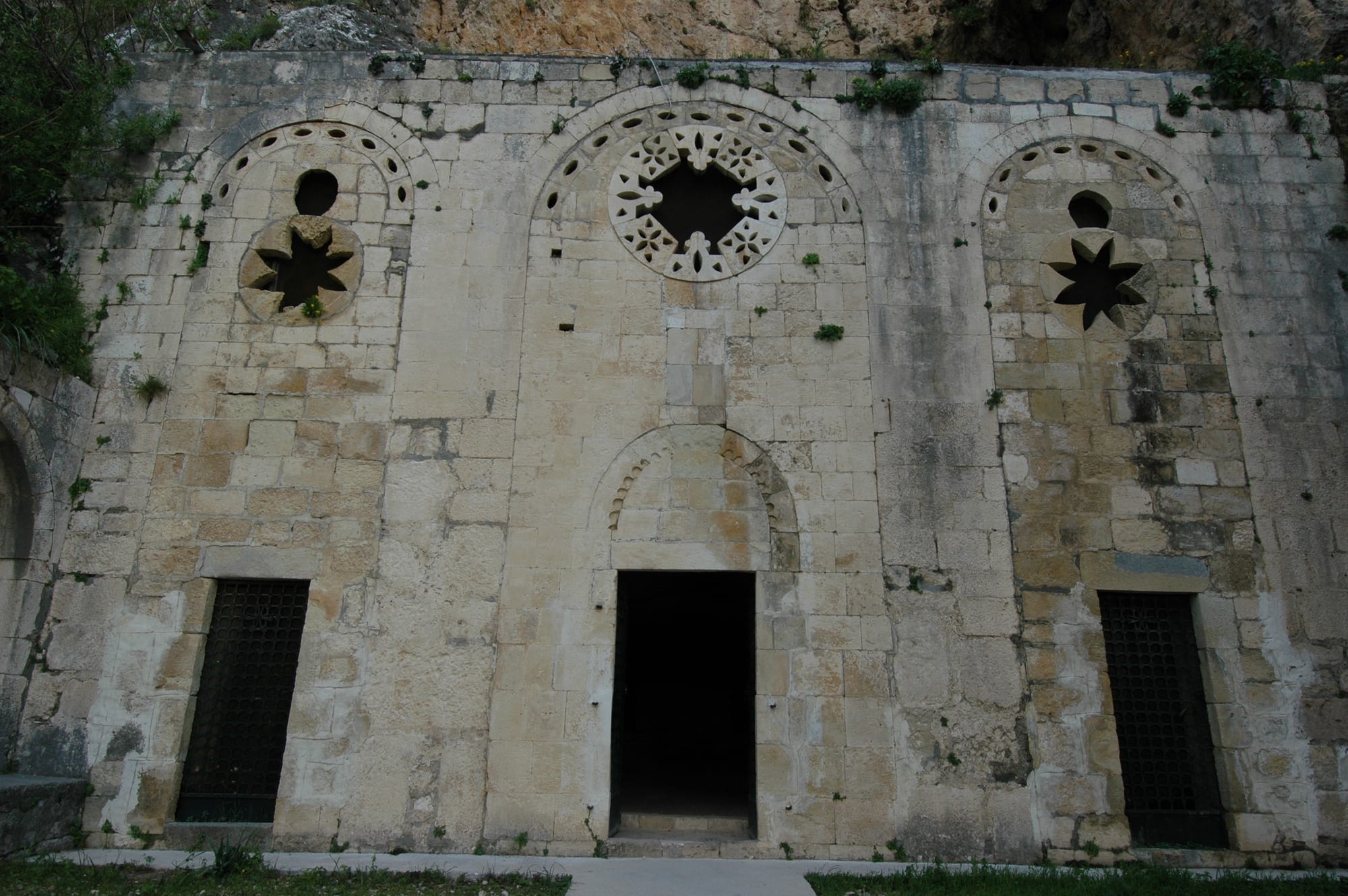
The centre is flat and compact, and the museum, the river and the old city are within a walk of one another; the Church of St Peter is a steady climb of about twenty minutes from the middle of town, or a short taxi ride. Construction work, closed streets, uneven pavements and heavy traffic on the main avenues make walking harder than the distances suggest.
🛡️ Safety
Check the status of rebuilding in Antakya before visiting. The February 2023 earthquakes, centred in Kahramanmaraş province, devastated the city, and reconstruction is still under way: building sites, unstable structures and rubble are part of the townscape. Hatay borders Syria, and governments advise against travel to the immediate border area. Since the war between the United States, Israel and Iran began in February 2026, Iranian ballistic missiles crossing towards Turkey have been intercepted by Turkish and NATO air defences, one of them coming down at Dörtyol in Hatay in March 2026. Ordinary crime against visitors is uncommon.
Check the status of rebuilding in Antakya before visiting, keep away from the Syrian border strip, keep out of damaged buildings and fenced sites, and confirm that a museum or monument is open before travelling to it. Check current official travel advice before travelling.
🌦️ Climate
A Mediterranean climate softened by the mountains: hot, dry summers, and mild winters with most of the year's rain between November and March. Harbiye and the higher ground south of the city are several degrees cooler than the centre in summer.
- Summer
- hot and often humid, commonly 32–37°C by day with warm nights
- Winter
- mild and wet, usually 10–16°C by day, with snow only on the hills
🤝 Local Customs
Hatay is proud of a long habit of living together: Sunni and Alawite Muslims, Orthodox and Catholic Christians and a small Jewish community have shared these streets for generations, and people speak of it often. Arabic is widely spoken alongside Turkish. Hospitality is emphatic, tea and coffee are pressed on visitors, and modest dress is expected in mosques and churches, with shoes removed at mosque doors.
Ask before photographing people, damaged homes or places of worship, treat the earthquake as a subject people will raise themselves rather than one to open with, and dress modestly away from the seafront.
💳 Common Payment Methods
The currency is the Turkish lira. Cards are accepted in hotels, supermarkets and larger restaurants, but cash is still normal in the bazaar, in small lokantas and for minibus fares. ATMs are easy to find in the modern centre and less so in outlying districts.