💰 Budget
Kars is one of the cheapest towns in Turkey for a bed and a meal. Hotels in the centre are modest and inexpensive, lokanta food costs very little, and the main expense is transport: the site of Ani has no public bus, so most visitors share a taxi or hire a car and driver for the day. Ski packages at Sarıkamış raise costs in winter.
- Daily Budget Midrange
- USD 70–140 (good hotel, restaurants, a driver or hire car for day trips)
- Daily Budget Shoestring
- USD 25–45 (simple hotel, lokanta meals, minibuses in town)
Share the cost of a taxi to Ani with other travellers, and carry cash: small shops and village stops may not take cards.
📅 Best Time to Visit
June to September is the comfortable season, when the plateau is green, the roads to Ani and Çıldır are easy and the nights are cool. Winter is the other reason to come: deep snow, the Eastern Express arriving from Ankara, skiing at Sarıkamış and ice fishing on Lake Çıldır, with temperatures that can stay well below freezing all day.
⏳ Suggested Number of Days
The town itself is small and needs little time. Most visitors stay one or two nights, and three to four if they add the surrounding countryside and its ruins and lakes. Winter travel takes longer because snow slows every road.
- First Visit
- 1–2 days
- With Surroundings
- 3–4 days
🚆 Transportation
Kars is compact enough to cross on foot, and minibuses and taxis cover the rest of the town. Intercity buses run from the terminal to Erzurum, Ardahan, Iğdır and Van, and minibuses serve the surrounding villages, though services to smaller places thin out in the afternoon and in winter. For Ani and the lakes, a taxi or a hire car is the practical option.
Agree a taxi fare for a day trip before setting off, and allow extra time on mountain roads after snowfall.
🛬 Airport & Station Connections
Kars Harakani Airport lies about six kilometres from the town, with flights to Istanbul and other Turkish cities. The Eastern Express and the slower Touristic Eastern Express run from Ankara through Erzurum to Kars, an overnight journey of about a day that is popular in winter for the scenery. Buses connect Kars with Erzurum in around three hours and with cities further west overnight. Air travel across the wider region has been disrupted since the war that began in February 2026, and flight schedules can change at short notice.
🚶 Walkability
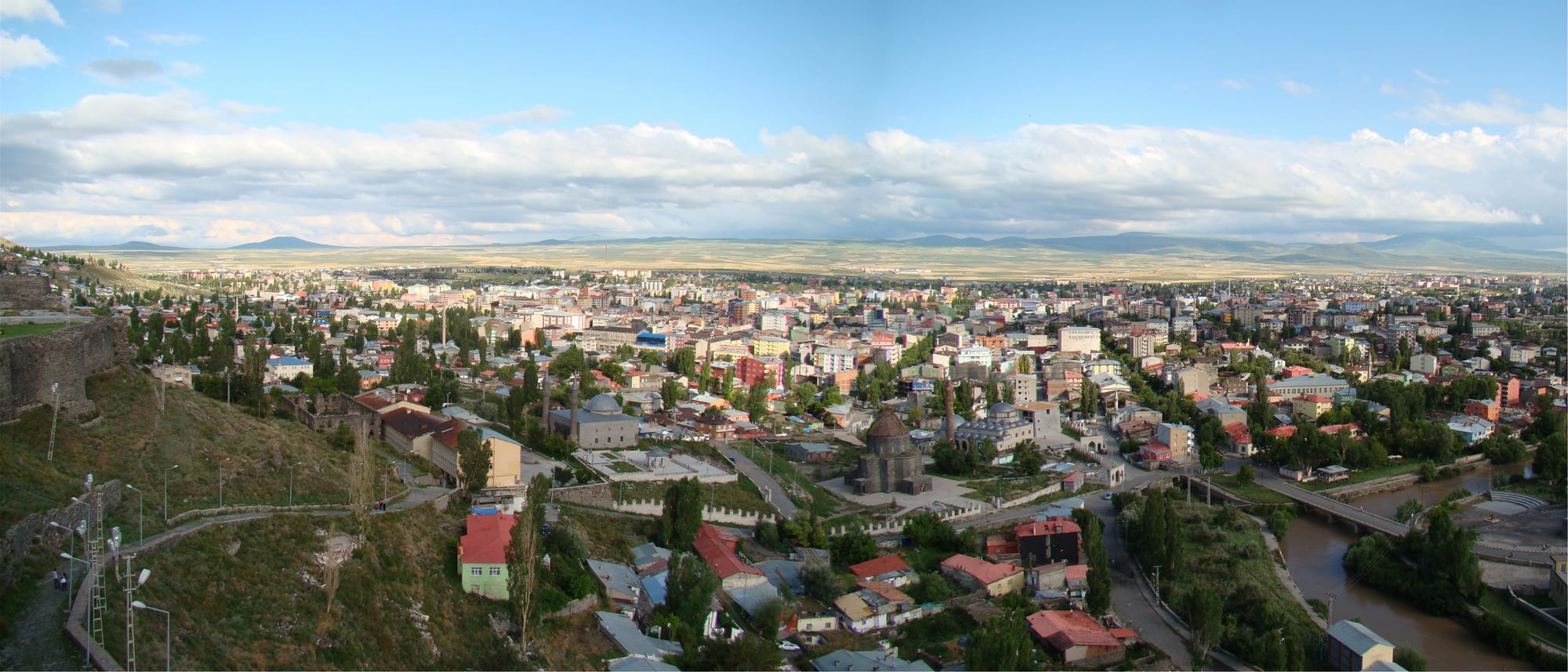
The Russian-era grid makes the centre unusually easy to walk: the streets are straight, wide and flat, and most hotels, restaurants and shops are within ten or fifteen minutes of each other. The climb to the castle and the old cathedral is short but steep. Pavements are icy and snowbanked for much of the winter, and warm boots matter more than distance.
🛡️ Safety
Kars is a quiet provincial town and one of the calmer places in eastern Turkey; petty crime is uncommon and visitors are a familiar sight because of Ani. The real hazards are environmental: extreme cold and ice from November to March, snow on the roads, and long distances between towns. The border with Armenia is closed and military areas near it are off limits, so photography at the frontier should be avoided. The wider region lies on active fault lines.
Carry a passport for checkpoints, dress for temperatures well below freezing in winter, and do not photograph military installations or the closed border. Check current official travel advice before travelling.
🌦️ Climate
Kars sits high on an exposed plateau and has one of the harshest climates in Turkey, with a long snowy winter, a short green summer and cold nights in every season.
- Summer
- short and pleasant — July and August days are usually around 25°C, with cool nights and occasional thunderstorms
- Winter
- long and very cold — January often stays around −10°C or lower, snow lies for months and temperatures below −20°C occur
🤝 Local Customs
Kars is conservative and hospitable, with Turkish, Kurdish, Azeri and Turkmen communities living side by side. Invitations to tea are common and refusing one repeatedly is impolite. Modest dress is normal, especially away from the main streets, and a head covering is needed for women entering a mosque. Photographing people, particularly women and villagers, should be done only with permission.
Remove shoes before entering a mosque or a home, expect tea to be offered in shops, and keep alcohol to licensed restaurants rather than the street.
💳 Common Payment Methods
The currency is the Turkish lira. Cards and contactless payment work in hotels, supermarkets and larger restaurants in the centre, and ATMs are easy to find around Faikbey Caddesi. Village shops, shared taxis, the entrance to some sites and small tea houses are cash-only, so lira in small notes is worth carrying for a day out of town.