History
The loess bank of the Danube at Vučedol, just below Vukovar, gave its name to a Copper Age culture of around 3000 BC whose best-known relic, a bird-shaped ritual vessel, is now the town's emblem. Rome held the plain as part of Pannonia: Mursa stood at Osijek, where rival emperors fought one of the bloodiest battles of the 4th century in 351, and Cibalae at Vinkovci, birthplace of the emperors Valentinian and Valens. Medieval Slavonia belonged to the Hungarian-Croatian crown; Đakovo became the seat of the bishops of Bosnia in the 13th century, and Nicholas of Ilok, Ban of Slavonia from 1457 to 1463, fortified his Danube town in the 15th.
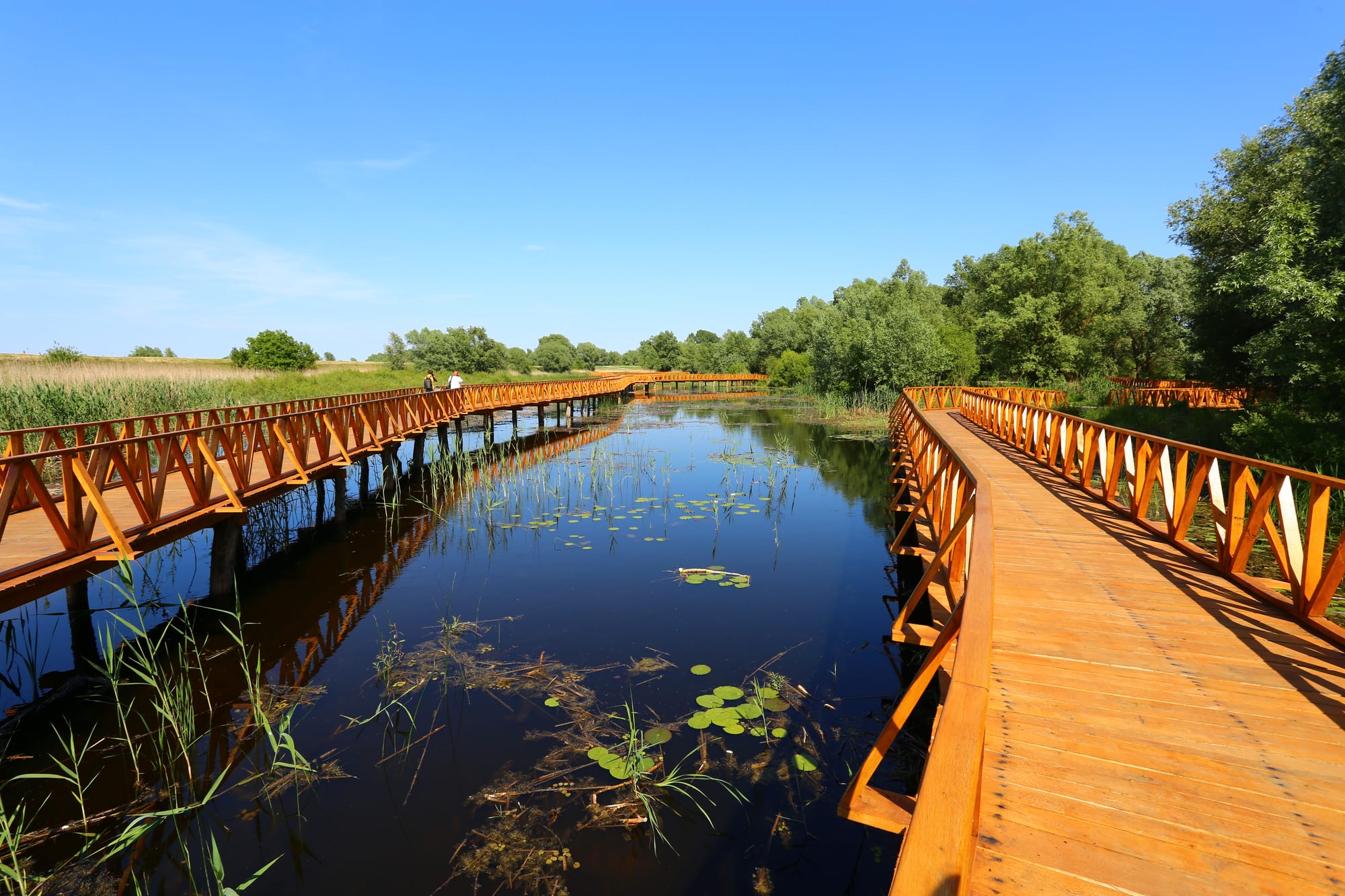
After the battle of Mohács in 1526 the Ottomans held the region for some 160 years; Suleiman the Magnificent had a wooden bridge about seven kilometres long built across the Drava marshes at Osijek from 1526. Habsburg armies returned in 1687, and the empire rebuilt the country to its own design: the fortress town of Tvrđa at Osijek from 1712, the star fort at Slavonski Brod on the Sava frontier, vast estates for the Eltz, Odescalchi, Pejačević and Prandau families and for Prince Eugene of Savoy, and settlers — Germans, Hungarians, Slovaks, Rusyns, Serbs — for the emptied land. Josip Juraj Strossmayer, bishop of Đakovo from 1850 until his death in 1905, used the diocese's income to build his cathedral and to found the academy and the modern university in Zagreb.
The German minority was expelled in 1945. In 1991 the war began here: twelve Croatian policemen were killed at Borovo Selo in May, and Vukovar fell on 18 November after an 87-day siege that levelled it, followed by the murder of more than 200 patients and prisoners at Ovčara. Osijek, Vinkovci and Slavonski Brod were shelled, western Slavonia was retaken in 1995, and the Danube strip returned peacefully under UN administration in January 1998. Since EU entry in 2013 emigration has done what the war did not, and emptied the villages.