History
The Zagros valleys of this region hold some of Iran's oldest traces of settled life, and Lorestan is famous for its bronzes of the early first millennium BC. Hamadan, ancient Ecbatana, was the capital of the Medes, who with the Babylonians overthrew Assyria, and later one of the capitals of the Achaemenids. On the road west, Darius the Great carved his account of seizing the throne into the cliff at Bisotun in the years after 522 BC, in Old Persian, Elamite and Babylonian; copied in the 1830s and 1840s, it helped scholars decipher cuneiform. The Sasanians left their own reliefs at Taq-e Bostan, near Kermanshah.
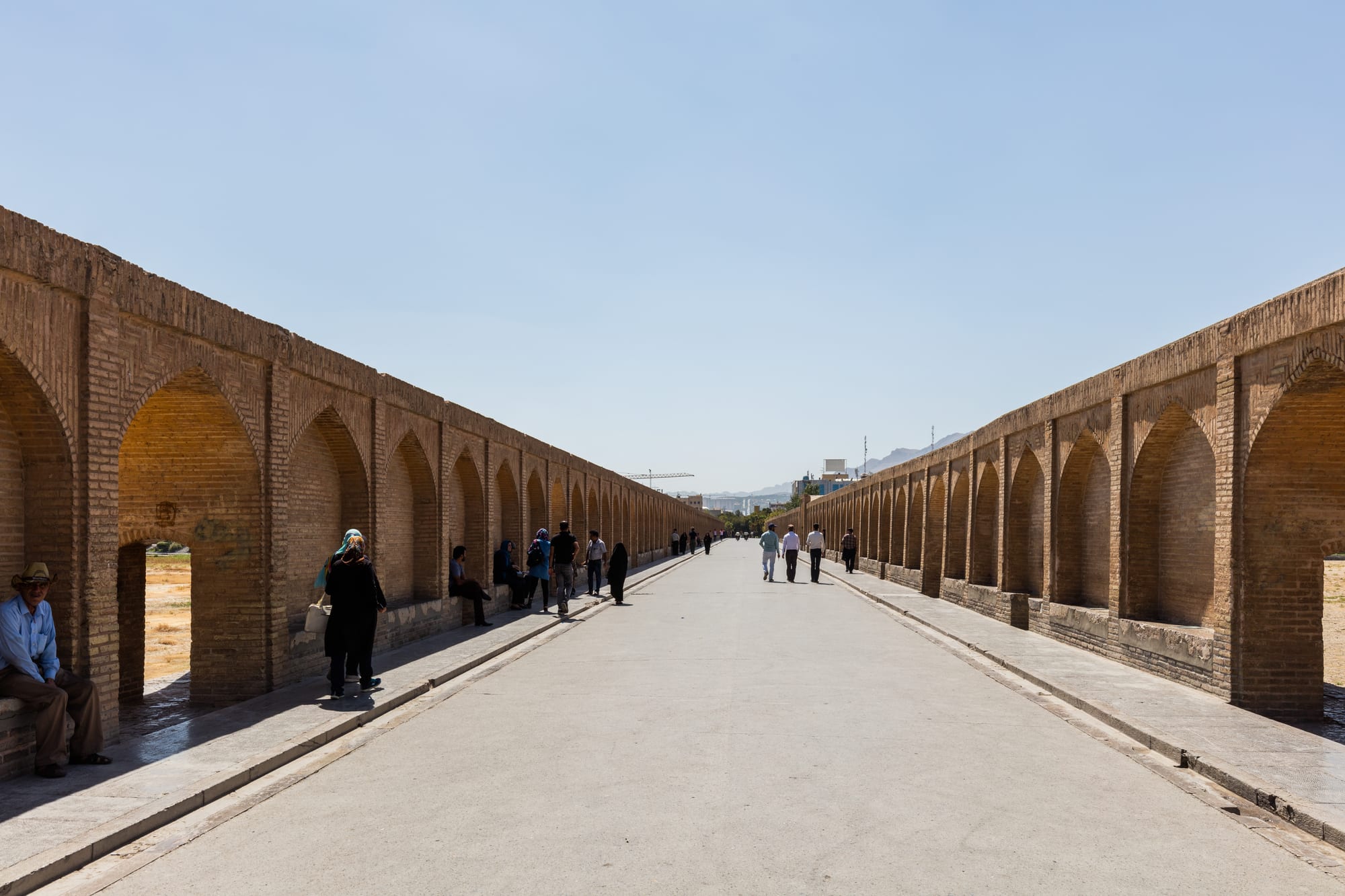
After the Arab conquest Isfahan grew into a great city and became a capital of the Seljuks in the 11th century, when its Friday Mosque was greatly rebuilt. Qom, settled by Arab Shia families, grew around the shrine of Fatima Masumeh, sister of the eighth imam, who died there in the ninth century. The Safavid Shah Abbas I moved his capital to Isfahan in 1598 and rebuilt it around Naqsh-e Jahan Square, bringing Armenian merchants from Julfa to found New Julfa across the river. The city's golden age ended when Afghan invaders took it in 1722.
In the 20th century Qom's seminaries became the centre of Shia scholarship, and Ayatollah Khomeini, born in Khomein in today's Markazi province, taught there before his exile. Isfahan and Arak became industrial cities of steel and engineering, and during the Iran–Iraq War of the 1980s the border provinces of Kermanshah and Ilam were bombarded and fought over.