History
Khorasan, "where the sun rises", was the eastern heartland of Iranian civilisation. The Parthians came from its northern edge, and in the early Islamic centuries its cities — Nishapur and Tus among them — were among the great centres of learning in the Muslim world, the homes of Ferdowsi, author of the Shahnameh, and of Omar Khayyam. The Mongols devastated Nishapur in 1221. Mashhad grew around the tomb of Imam Reza, the eighth Shia imam, who died in 818, and became Iran's great pilgrimage city under the Safavids. Nader Shah made it his capital in the 18th century.
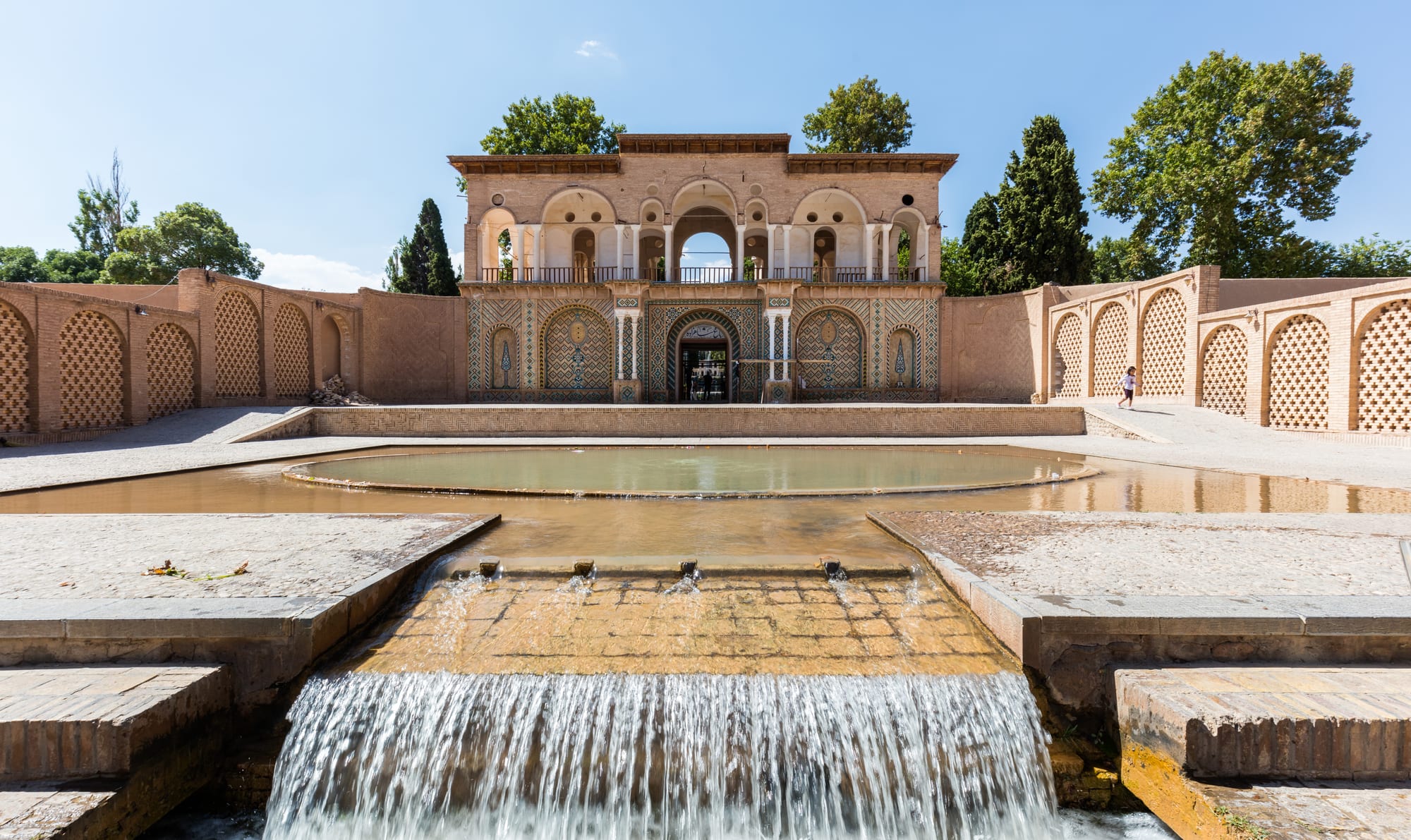
Further south, Shahr-e Sukhteh, the "Burnt City" in Sistan, was a large Bronze Age town, and the Jiroft area of Kerman has yielded finds from the same era. Yazd and Kerman were caravan cities of the desert, living on long qanat tunnels that brought water from the mountains. Yazd was a haven during the Mongol invasion and became the main refuge of Zoroastrians as Iran became Muslim. Kerman was sacked by the Qajar founder Agha Mohammad Khan in 1794, and Bam's citadel, occupied for centuries, was largely abandoned in the 19th century.
In the 20th century the east was drawn into the modern state, and a frontier agreed with British India in 1871 had already cut Baluchestan in two. Mashhad grew into Iran's second city on pilgrim traffic, and the south-east has long been one of the country's poorest and least secure corners. In December 2003 an earthquake destroyed much of Bam, killing more than 26,000 people.