History
Southern Iraq is Sumer, where the first cities grew in the fourth millennium BC. Uruk, in Muthanna province, reached tens of thousands of people and produced some of the earliest writing, and its king Gilgamesh became the hero of the world's oldest surviving epic. Ur, Eridu, Lagash and Nippur, the religious centre of Sumer, rose on the channels of the Euphrates, and under Ur-Nammu around 2100 BC Ur ruled much of Mesopotamia and built its great ziggurat. The shifting rivers and salting soil slowly emptied these cities.
The Arabs founded Basra as a garrison town in the 630s, and under the Umayyads and Abbasids it became a great port and a centre of learning: the grammarian Sibawayh, the writer al-Jahiz and the ascetic al-Hasan al-Basri all lived there, and the Sinbad tales set sail from it. The Zanj revolt of enslaved labourers in the 9th century devastated the area. Under the Ottomans Basra was a provincial capital and trading post, and British troops landed in 1914 and occupied it.
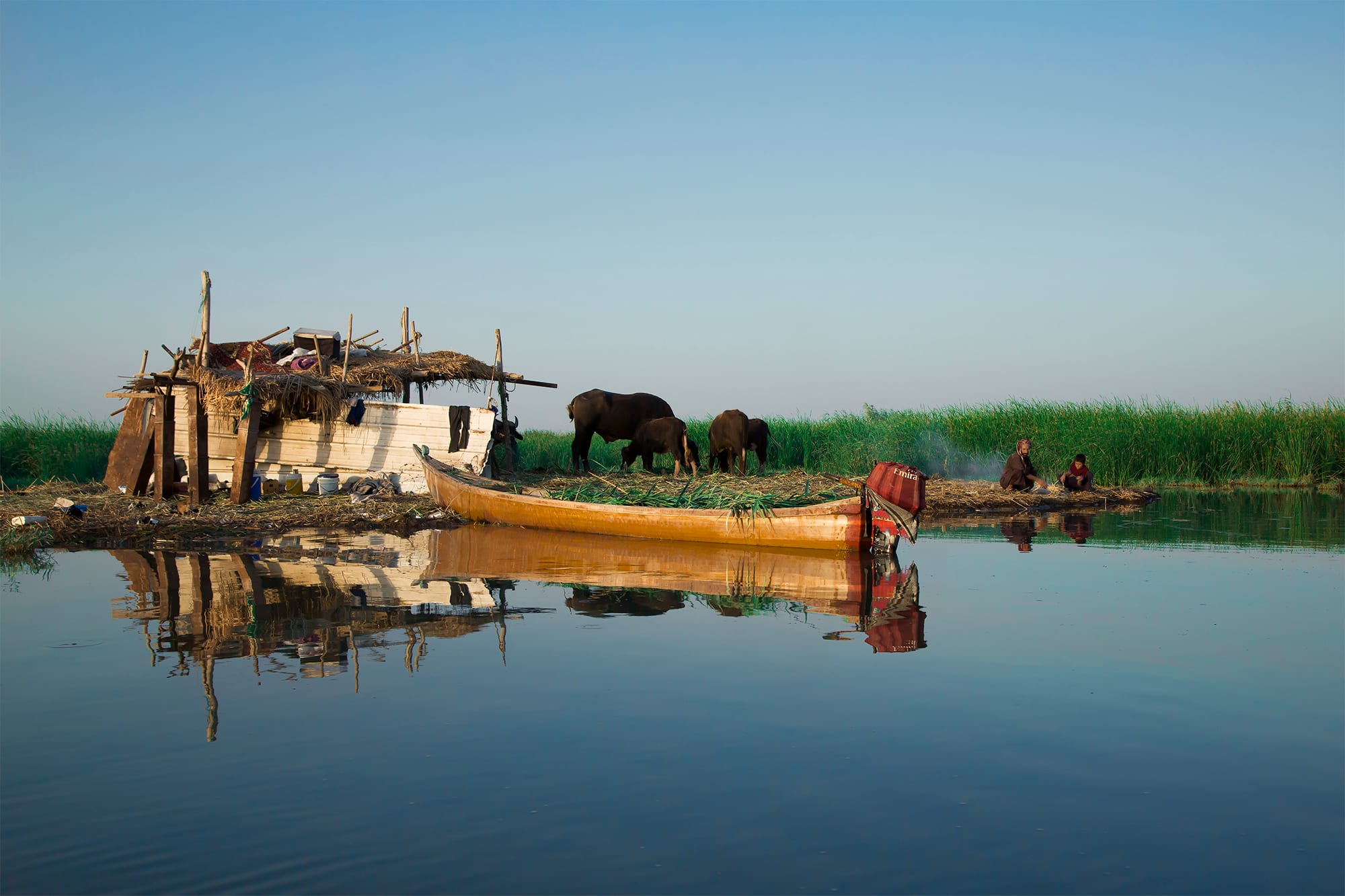
In the 20th century oil, the port and date exports made Basra rich until the Iran–Iraq War of 1980–88 put it on the front line. After the 1991 Gulf War the Shia south rose against Saddam and was crushed, and his government drained most of the marshes in the 1990s, driving out their people. After 2003 British forces were based around Basra; the marshes were partly reflooded, and in 2016 they and the ruins of Ur, Uruk and Eridu were listed together by UNESCO.