History
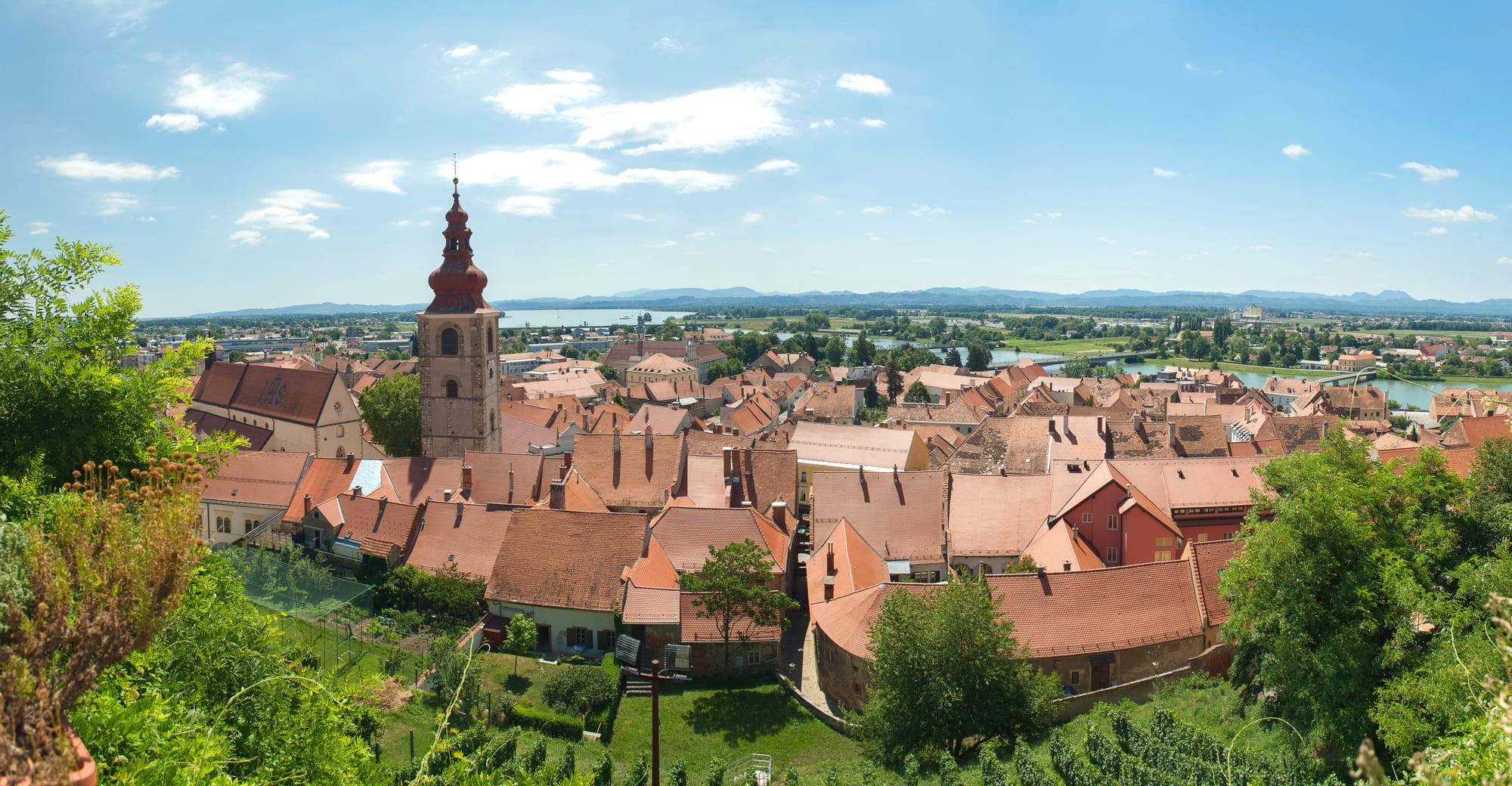
Iron Age chieftains were buried with decorated bronze buckets, or situlae, around Novo Mesto, and under Rome the region had three important towns: Poetovio at Ptuj, a legionary base and trading centre on the Drava, Celeia at Celje, and Neviodunum near Krško. After Slavic settlement the lands became part of Habsburg Styria and Carniola, while Prekmurje beyond the Mura belonged to the Kingdom of Hungary for about a thousand years.
In the 14th and 15th centuries the Counts of Celje rose from local lords to one of the most powerful families in Central Europe, related by marriage to the kings of Hungary and Bosnia, until the last count, Ulrich II, was killed in 1456 and his lands passed to the Habsburgs. Ottoman raids in the 15th and 16th centuries left the region's churches fortified and peasant revolts followed. Maribor, Ptuj and Celje remained largely German-speaking towns in a Slovene countryside until the 20th century.
In November 1918 General Rudolf Maister secured Maribor for the new South Slav state, and in 1919 Prekmurje joined it too. The Second World War brought German annexation of Styria with mass deportations, Hungarian occupation of Prekmurje and Italian rule in the south-east, where the German-speaking Gottscheers of Kočevje were resettled. Under Yugoslavia Maribor, Celje and Velenje became industrial centres, and the collapse of their factories after 1991 hit the east hard; protests in Maribor in 2012 sparked demonstrations across Slovenia.