History
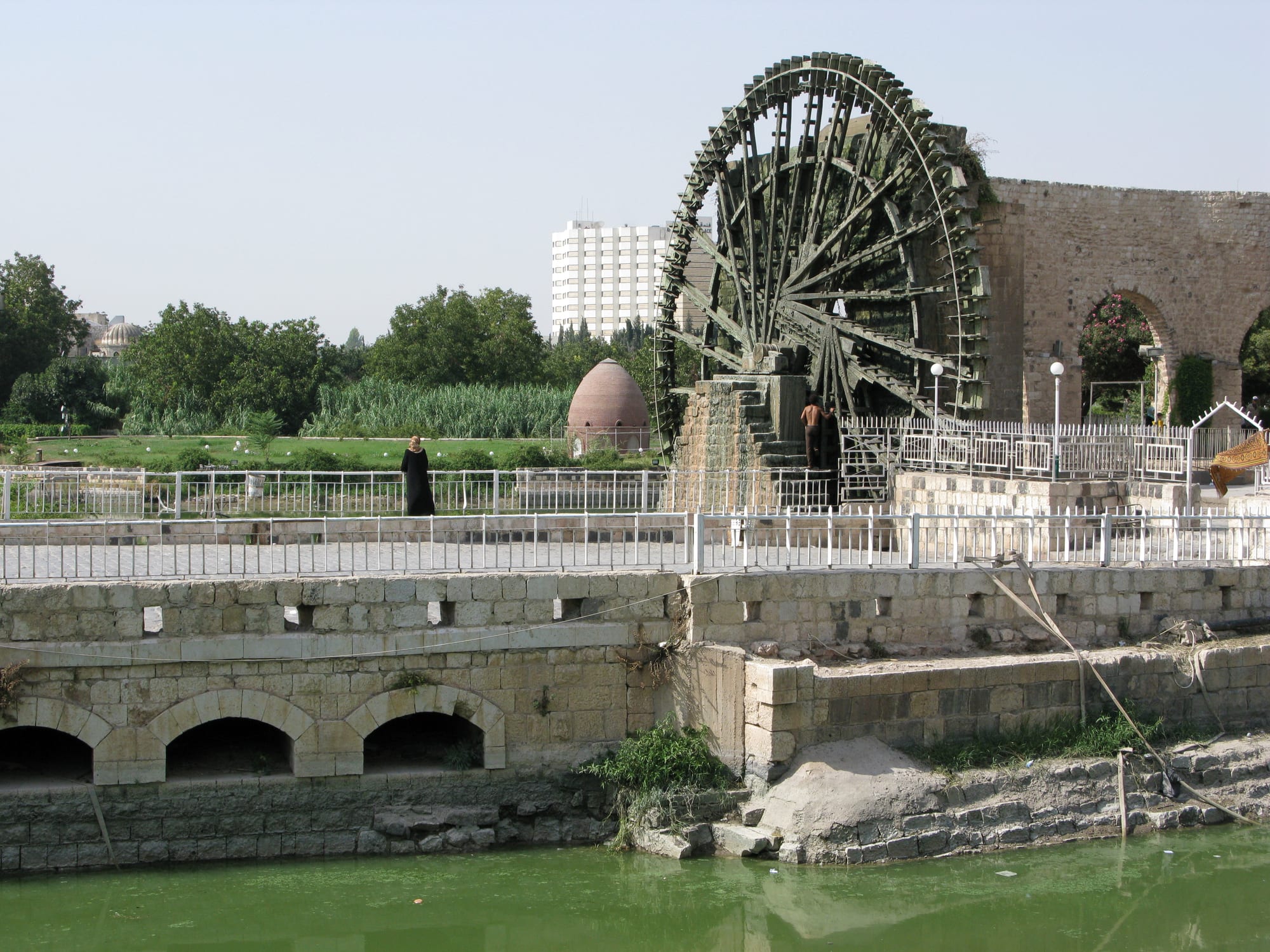
The Orontes valley and the coast have been settled since the Bronze Age. Ugarit, north of Latakia, was a rich port whose scribes wrote in an early cuneiform alphabet, and the Phoenicians of Arwad ruled the coast opposite their island. Hama was the Aramaean kingdom of Hamath, and in 1274 BC the Egyptians and Hittites fought the battle of Kadesh near Homs. The Seleucid Greeks founded Laodicea, now Latakia, and Apamea; Roman Emesa, now Homs, gave Rome a line of priest-kings and the empress Julia Domna, and Palmyra grew rich on caravans until Queen Zenobia defied Rome and was defeated in 272.
The Homs Gap, the one easy route from the interior to the sea, made the region a battleground during the Crusades. The Knights Hospitaller rebuilt Krak des Chevaliers from 1142 and held it until the Mamluk sultan Baybars took it in 1271; Marqab fell to Qalawun in 1285, and the Templars' last foothold, Arwad, fell in 1302. Under the Ottomans, Hama and Homs were market towns of the Orontes, while the coastal mountains remained the home of the Alawites.
Under French rule the mountains formed a separate Alawite State from 1920 to 1936. After independence many Alawites rose through the army, and the Assad family came from Qardaha near Latakia. In 1982 Hafez al-Assad's forces crushed a Muslim Brotherhood uprising in Hama, killing thousands. In 2011 Homs became the centre of the uprising and its rebel-held districts, including the old city, were besieged until 2014, while the coast stayed under government control. ISIS held Palmyra twice in 2015–17 and dynamited the Temple of Bel.