History
Before Rome, the northwest was the heartland of the Numidian kingdom, whose Berber kings allied with and fought against Carthage. Thugga, today's Dougga, was a Numidian town with a mausoleum inscribed in both Punic and Libyco-Berber script, and Bulla Regia carries the title of a royal seat in its name. After Carthage fell, Rome absorbed the region, and the wheatlands of the Medjerda valley made it one of the empire's granaries. Dougga, Bulla Regia, Mactaris (Makthar) and Sicca Veneria (Le Kef) grew into prosperous Roman towns, and the quarries at Chemtou supplied a prized yellow marble to Rome.
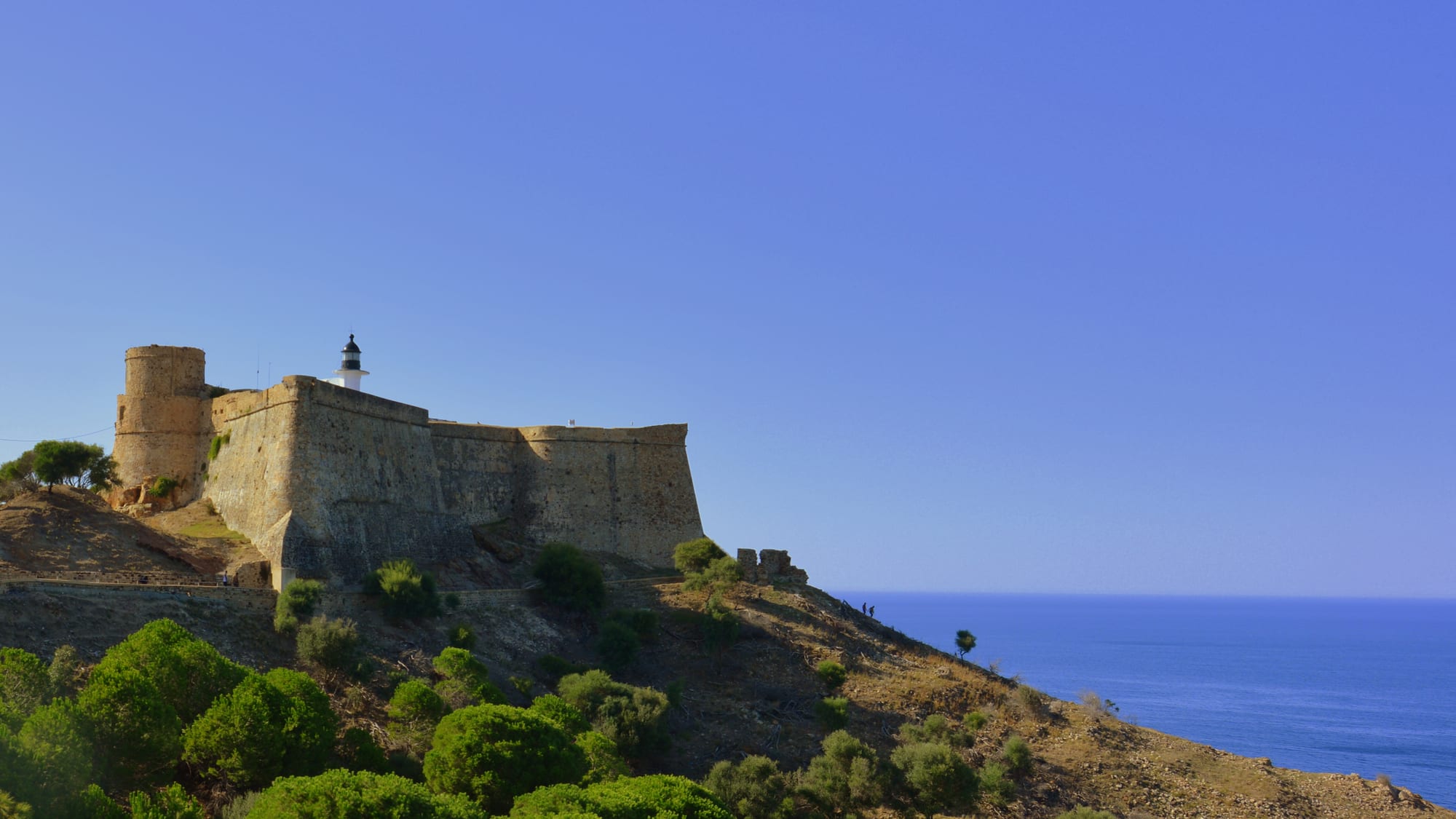
After the Arab conquest the region remained rural, with Le Kef its fortified centre on the frontier towards Algeria. In the 17th century Moriscos expelled from Spain settled in the Medjerda valley, founding or rebuilding towns such as Testour. Genoese merchants held the island of Tabarka from the 16th to the 18th century for its coral fishery and built the fort that still stands.
Under the French protectorate, settlers took over large estates in the valleys, the forests of the Kroumirie were exploited for cork, and railways were built for grain and mineral ores. The protectorate began here, when French troops crossed from Algeria in 1881, citing raids by Kroumir tribesmen. In 1943 the hills of the region saw heavy fighting during the Tunisian campaign.