Culture & Customs · Equatorial Guinea
Equatorial Guinea: The House of the Word
A mostly Catholic nation of Fang, Bubi, Ndowe and Annobonese peoples, where greetings are long, elders come first, marriages bind whole families and music and dance belong to every gathering
By Globeway Editorial · 30 September 2026
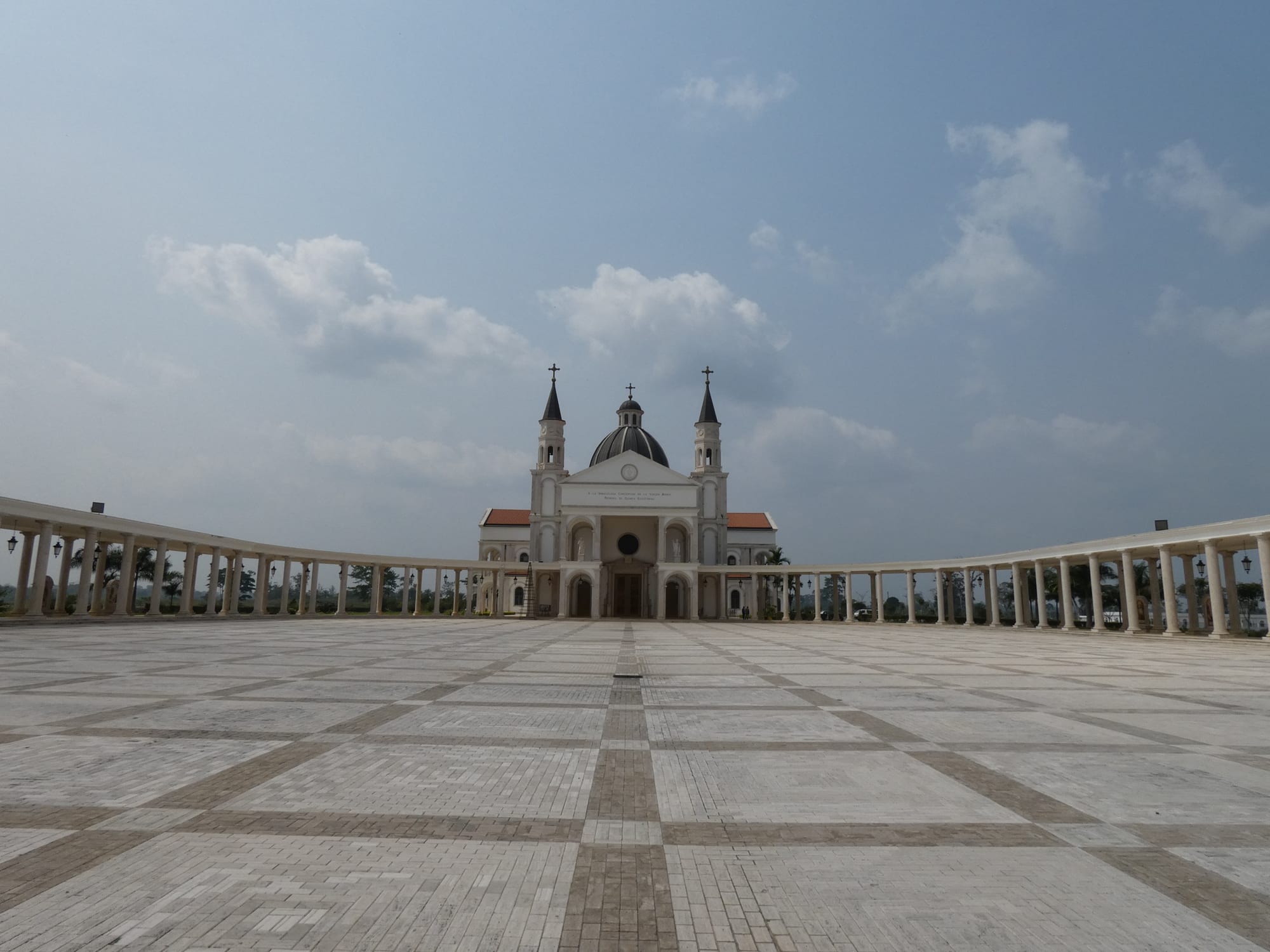
At the centre of many Fang towns and villages stands the abaá, the "house of the word", a communal longhouse built and kept up by all, and it is here that the community comes together: for festivities and religious celebrations, and also to judge disputes and debate the matters that affect everyone. Nobody arrives and gets straight to business. Hands are shaken, often at length, and greetings are exchanged with care, with the oldest and most senior acknowledged first. The idea behind the building runs through Equatoguinean life more widely: people are expected to meet, speak and settle things face to face, with due respect for age and rank, and in the company of the wider family.
Faith, identity and values
Equatorial Guinea is an overwhelmingly Catholic country. A 2015 government estimate cited by the US State Department puts the population at 88 per cent Roman Catholic, 5 per cent Protestant and 2 per cent Muslim, with the rest following traditional religion, the Baha'i faith or other beliefs. Catholicism arrived with Spanish colonial rule, and the Catholic Church and the Protestant Reformed Church of Equatorial Guinea remain in a favoured position: they are the only religious bodies not required to register with the government, while other groups must apply, renew their registration each year and seek permission for activities held outside their places of worship. Catholic Masses form part of official observances, including Independence Day.
Christianity has not simply replaced older beliefs. The State Department notes that many Christians also practise aspects of traditional religion, and ethnographic accounts describe a world in which rivers, mountains and other features of nature have a spiritual essence, ritual specialists command great respect, and ceremonies built on music and dance are used to drive misfortune out of a community. Ancestors are venerated and are believed to go on influencing the lives of their descendants.
The country brings together several peoples. The Fang, the largest group, live mainly on the mainland; the Bubi are the original people of Bioko island; and the Ndowe of the coast, the Annobonese of the island of Annobón and the Bisío are joined by the Fernandinos and other Creole communities descended from people who arrived in later centuries. Spanish, French and Portuguese are the official languages; Fang, Bubi, Annobonese, Ndowe and Bisío are widely spoken, as is a Creole English known locally as pichinglish.
Across these communities, respect for elders is among the first things a child is taught, and deference is also owed to professionals and those in positions of authority. The extended family is the usual household, and a newly married couple traditionally joins the husband's family. Public life is closely overseen by the state: independent media and civil society operate under tight restrictions, and international monitors such as Freedom House report limits on public assembly and on open political discussion. As a result, much of the country's cultural life takes place within families, churches and village communities.
Greetings and meeting people
Greetings are an important and often lengthy part of social life. They usually involve a handshake, and people tend to stand close while they talk. It is common for a conversation to continue with the two people still touching or holding hands; between men, this is an ordinary sign of friendship rather than anything more.
Rank and age shape every exchange. Elders, officials and professionals are shown particular deference, and in any group it is the senior people who are greeted first. Couples rarely show affection in public, and the British government notes that such displays are uncommon and can attract unwanted attention.
Photography calls for tact. The Spanish embassy in Malabo points out that some people hold beliefs that make them unwilling to be photographed, so it is wise to ask before taking a picture of anyone. Photographing government or military buildings, security installations or airports is illegal and can lead to arrest.
Hospitality and being a guest
Hospitality is organised around the family and the community rather than the individual. Visitors are received within a household that often spans several generations, and the first obligation is to greet everyone properly, beginning with the eldest. Ceremonial occasions bring out the best food a household can offer, and chicken and duck are the dishes traditionally served when there is something to celebrate.
The clearest expression of hospitality between families is marriage. Among the Fang, a traditional marriage is sealed by the nsua, the dowry, paid by the groom's family to the family of the bride. Scholars of Fang custom describe it as the act that validates and confirms the union: there is no traditional marriage without it. More than a payment, it is meant to build trust, mutual understanding and a sense of community between two families who are now bound together, and divorce is correspondingly difficult. Once married, the bride traditionally moves to her husband's household, and if the marriage later breaks down, her family may be expected to return the dowry.
The custom is also argued over. Once based largely on symbolic gifts, the dowry has become increasingly tied to money, and the playwright Pancracio Esono, in El hombre y la costumbre, "Man and custom", contrasts a groom who honours his bride with in-laws who demand large sums for her.
Festivals and life's big moments
The national calendar combines state occasions with the Catholic year. Independence Day on 12 October, marking the end of Spanish rule in 1968, is the most important civic holiday, and Freedom Day on 3 August and Constitution Day on 15 August are also public holidays. The President's birthday on 5 June is an official holiday, and, like Independence Day, it is observed with a Catholic Mass.
Alongside these, each people keeps its own celebrations. The embassy of Equatorial Guinea lists among the traditions that endure the Fang mokom, a ceremony held for the birth of a child, and the Bubi festival known as ri puri puri, while on Annobón the patronal festival of Saint Anthony is celebrated with traditional dances. A cocoa festival, also known as E-katô, is listed among them too.
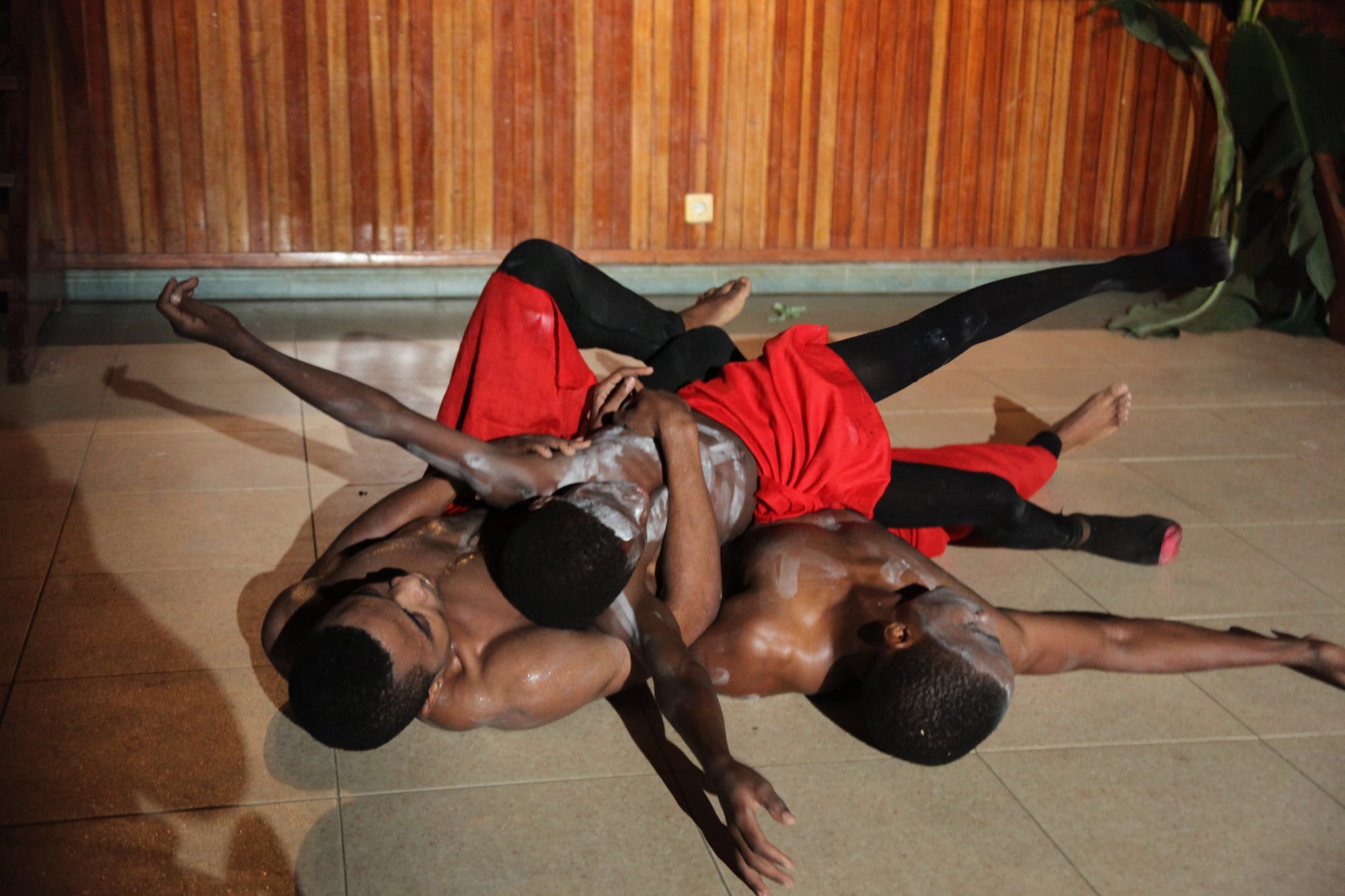
Weddings unite families as much as couples. The Fang ceremony centres on the delivery of the dowry and the exchanges between the two families that surround it, and music and dance, as at every significant event in the country, are expected.
Death, in traditional belief, does not end a person's place in the family. The dead are thought to join the ancestors in another realm, from which they can still affect the fortunes of the living, and they are honoured accordingly. Ethnographers have described protective objects of bone, feathers and shells placed at the edges of villages in memory of the dead.
Arts, crafts and music
Music and dance are part of almost any event, from weddings and harvests to funerals and religious festivals. Communities have long had their own groups of musicians and dancers who perform with traditional instruments, and each people has its own repertoire: the embassy lists dances such as the endondom, ndombá and mbatua among the Fang, the buleló, kunke and kobo among the Bubi, the mecuyo, mbaya and ivanga among the Ndowe, and the cumbe of Annobón. In one of the best-known coastal dances, the ivanga or ibanga, performers cover their bodies in white powder. Rock, reggae, hip hop and rap have also taken firm root.
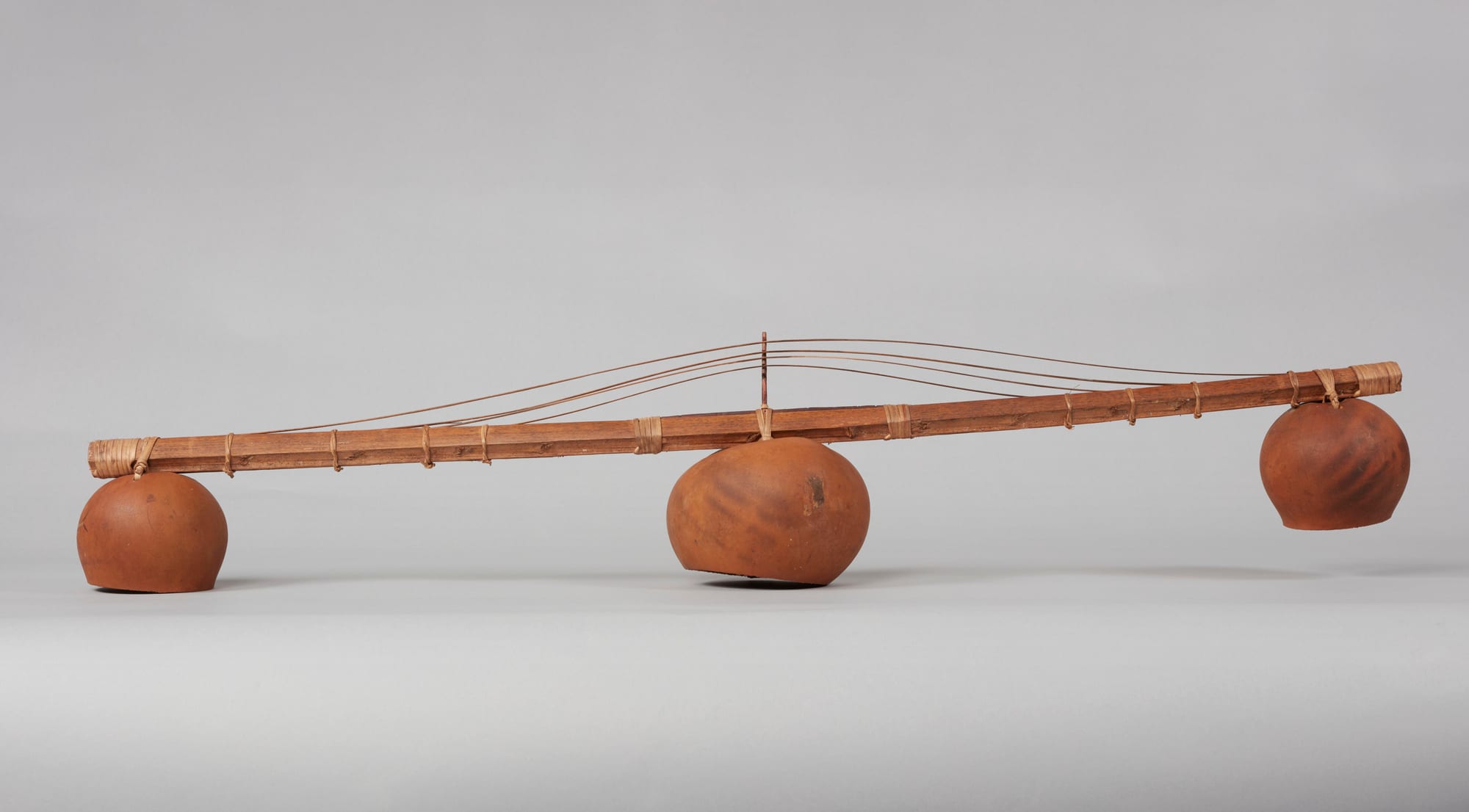
Among the Fang, the most revered art is the mvet, a word that describes at once a stringed instrument, the musician who plays it and the long sung epics it accompanies. The instrument is made from a long stem with strings raised on a bridge and gourd resonators beneath, and the performer plucks it while narrating heroic stories, with listeners joining in by clapping, singing and beating time. The closely related tradition of the Ekang peoples of Cameroon, Gabon and the Republic of the Congo, known as Mvet Oyeng, is on UNESCO's list of the intangible heritage of humanity. UNESCO describes it in two forms: a sacred one reserved for important occasions and passed on through initiation, and a popular one performed at public celebrations. Equatorial Guinea itself has no element on the list yet, but it is taking part in a UNESCO programme to inventory its traditional dances.
Sculpture has an equally long history. Fang carvers are known for figures with bent legs and flexed arms, among them the guardian figures placed on reliquaries, known as biery, that held the remains of ancestors. The Bubi of Bioko have carving traditions of their own. Modern sculptors such as Leandro Mbomio Nsue are counted among the country's leading artists. Ordinary pastimes, from traditional games to storytelling, have their own heritage too.
Literature was long oral, carrying the history of each people and explanations of the natural world from one generation to the next. Written literature in Spanish followed, from Evita's novel to María Nsue's Ekomo, published in 1985, which the writer Donato Ndongo described as a reflection on the situation of women in the traditional world.
Dos and don'ts for visitors
- Do take time over greetings, with a handshake and an enquiry after the other person, before turning to business.
- Do greet elders and people in authority first, and show them clear deference.
- Do expect hands to be held during a conversation; it is a sign of friendship.
- Do ask before photographing anyone, as some people prefer not to be photographed.
- Do carry a passport or residence permit, or copies, at all times; identity checks are frequent.
- Don't photograph government or military buildings, security installations or airports.
- Don't show affection in public; it is uncommon and can attract unwanted attention.
What to take away
Equatorial Guinea rewards patience and courtesy: a visitor who greets properly, defers to elders and treats family and community as the true centre of life will find the heart of the country in its homes, villages and gatherings of music and dance.