History · Equatorial Guinea
Equatorial Guinea: The Spanish Island and the Oil Coast
Africa's only Spanish-speaking nation — a Portuguese hand-me-down, a cocoa colony, one of the 20th century's worst dictatorships, and an oil boom that enriched one family
By Worldlore Editorial · 30 September 2026
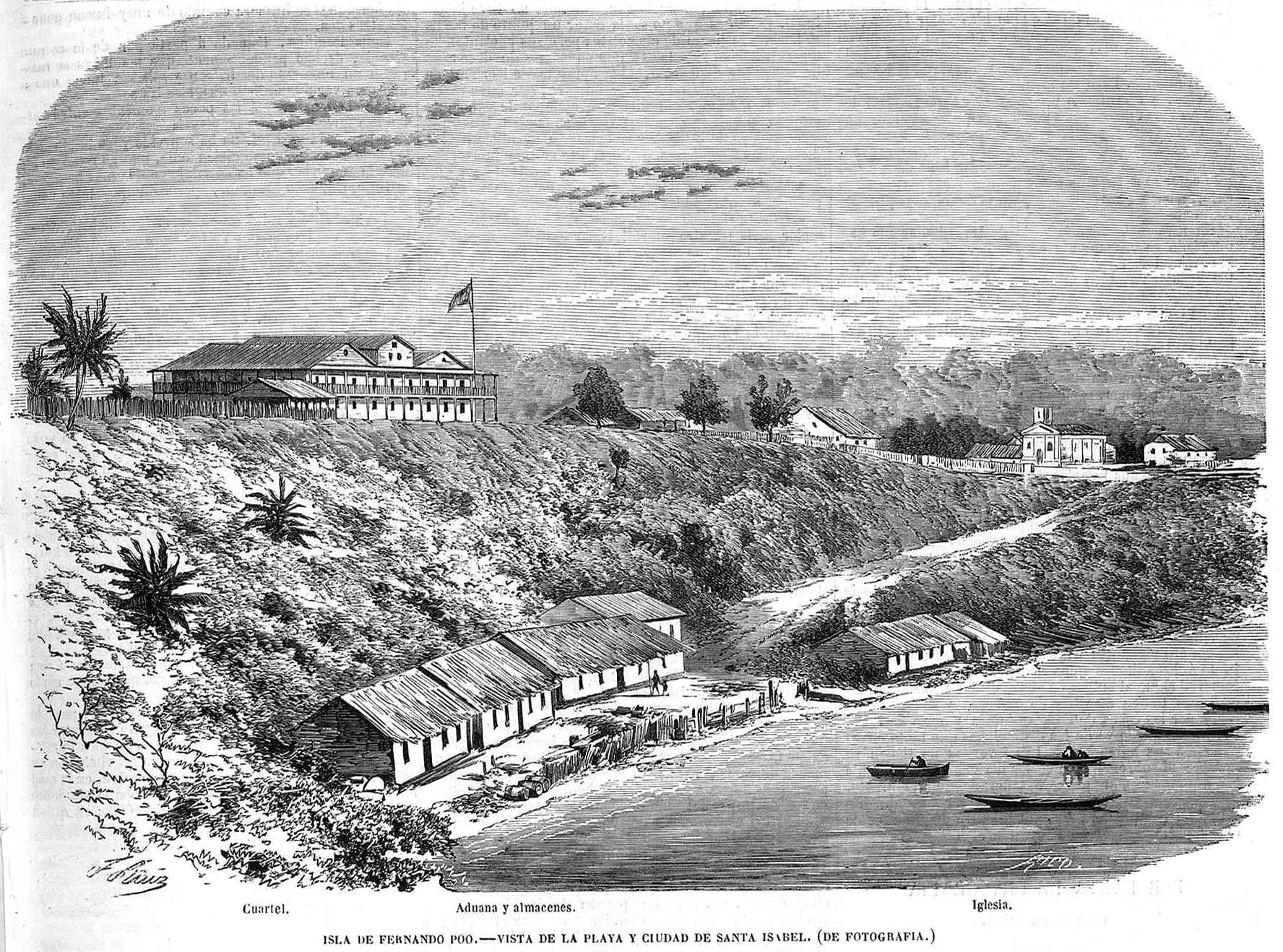
A country in two pieces
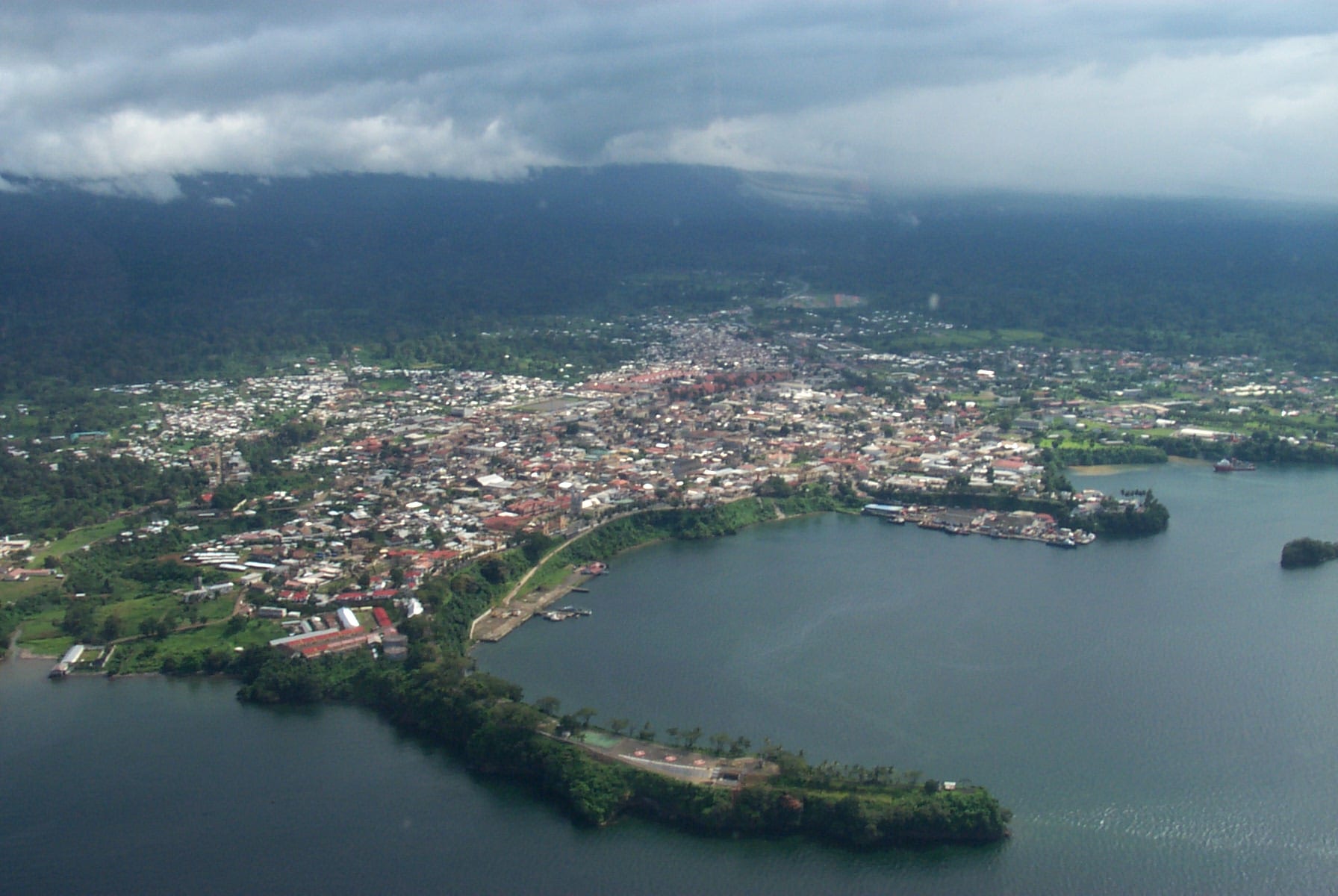
Equatorial Guinea is small, split, and unusual. It has two main parts: Río Muni, a rectangle of rainforest on the African mainland wedged between Cameroon and Gabon, and the volcanic island of Bioko in the Gulf of Guinea, home to Malabo, the capital until 2026 — closer to Cameroon than to the rest of its own country. Add the tiny island of Annobón, far to the south. Spanish is the main official language, the only such case in Africa. And since 1968 the country has had exactly two presidents, an uncle and his nephew, whose combined rule covers the whole of its independent history.
A short history
- by 1200s
The islanders
Bubi people settle Bioko by canoe from the mainland.
- 1472
Fernão do Pó
A Portuguese navigator charts Bioko, which bears his name for centuries.
- 1778
The El Pardo transfer
Portugal hands the islands and mainland coast rights to Spain.
- 1827–1843
British base
Britain rents Bioko as an anti-slavery naval station.
- 1900
Treaty of Paris
Borders of Río Muni fixed with France; conquest of the interior follows.
- 1968
Independence
Francisco Macías Nguema becomes president.
- 1968–1979
The terror
A third of the population is killed or flees.
- 1979
The coup
Teodoro Obiang overthrows and executes his uncle.
- 1996 onward
Oil
Major offshore discoveries transform state revenue.
Bubi, Fang, and a Portuguese hand-me-down
Bantu-speaking peoples shaped the region: the Bubi, who reached Bioko over centuries by canoe and lived in the island's forests; and the Fang, who came to dominate Río Muni. Annobón was peopled by Africans the Portuguese brought there in bondage, whose descendants speak a Portuguese creole.
Portugal charted Bioko in 1472 and held the islands for three centuries, though its attempts to settle Bioko failed. In 1778, by the Treaty of El Pardo, Portugal transferred the islands of Fernando Pó and Annobón, and trading rights on the mainland coast, to Spain — in exchange for territory in South America. The first Spanish expedition ended in disease and disaster, and Spain effectively abandoned the islands for decades.
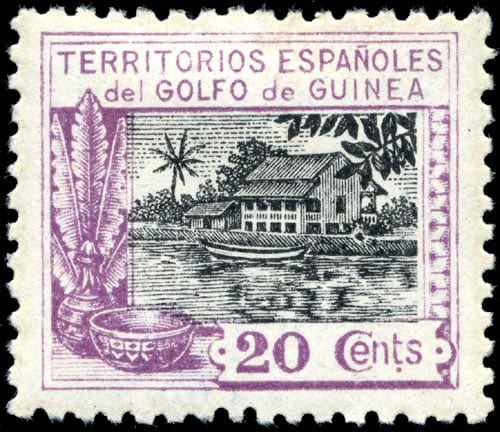
The cocoa colony
Britain rented Bioko from 1827 to 1843 as a base for its anti-slave-trade squadron, founding Port Clarence — later Santa Isabel, now Malabo — and leaving behind a freed-African creole community, the Fernandinos. Spain reasserted control from the 1840s, sent Catholic missionaries, and turned Bioko's rich volcanic soil into cocoa plantations. Because the Bubi resisted and their numbers fell, the plantations ran on contract labourers imported from Liberia and then, in huge numbers, from Nigeria. On the mainland, Spain declared the Fang interior "pacified" only in 1929. The whole was governed as Spanish Guinea, harshly and with forced labour, and briefly styled a set of "provinces of Spain" under Franco before token autonomy in 1963.
The terror
Independence came on 12 October 1968. Francisco Macías Nguema, a Fang from Río Muni and a former colonial clerk, won the presidency — and turned the new state into one of the most extreme tyrannies of the century.
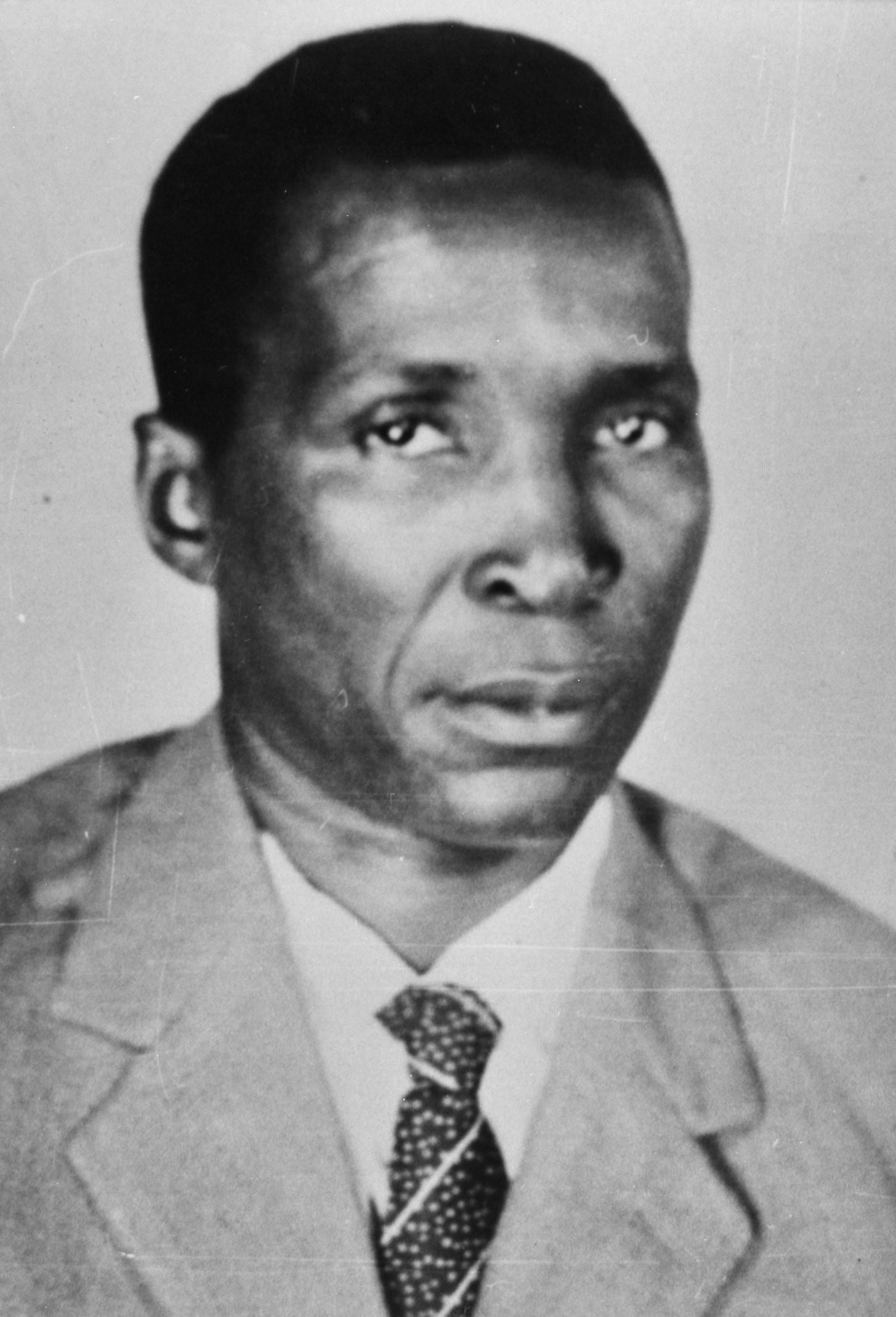
Macías declared himself president for life in 1972, banned the word "intellectual", closed down churches, and ordered the killing of thousands of suspected opponents. By the end, perhaps a third or more of a population of some 200,000 to 300,000 had been killed or had fled, Nigeria had evacuated some 45,000 plantation workers in 1976 citing brutal ill-treatment, and the cocoa economy had collapsed. The country was nicknamed "the Dachau of Africa".
The nephew
In August 1979 Macías was overthrown by his nephew, Lieutenant Colonel Teodoro Obiang Nguema Mbasogo, who had commanded the country's most notorious prison. Macías was tried and shot. Obiang has held power ever since — second only to Cameroon's Paul Biya among the world's longest-serving non-royal leaders. Elections, multiparty on paper since 1992, are routinely announced with margins near 99 per cent.
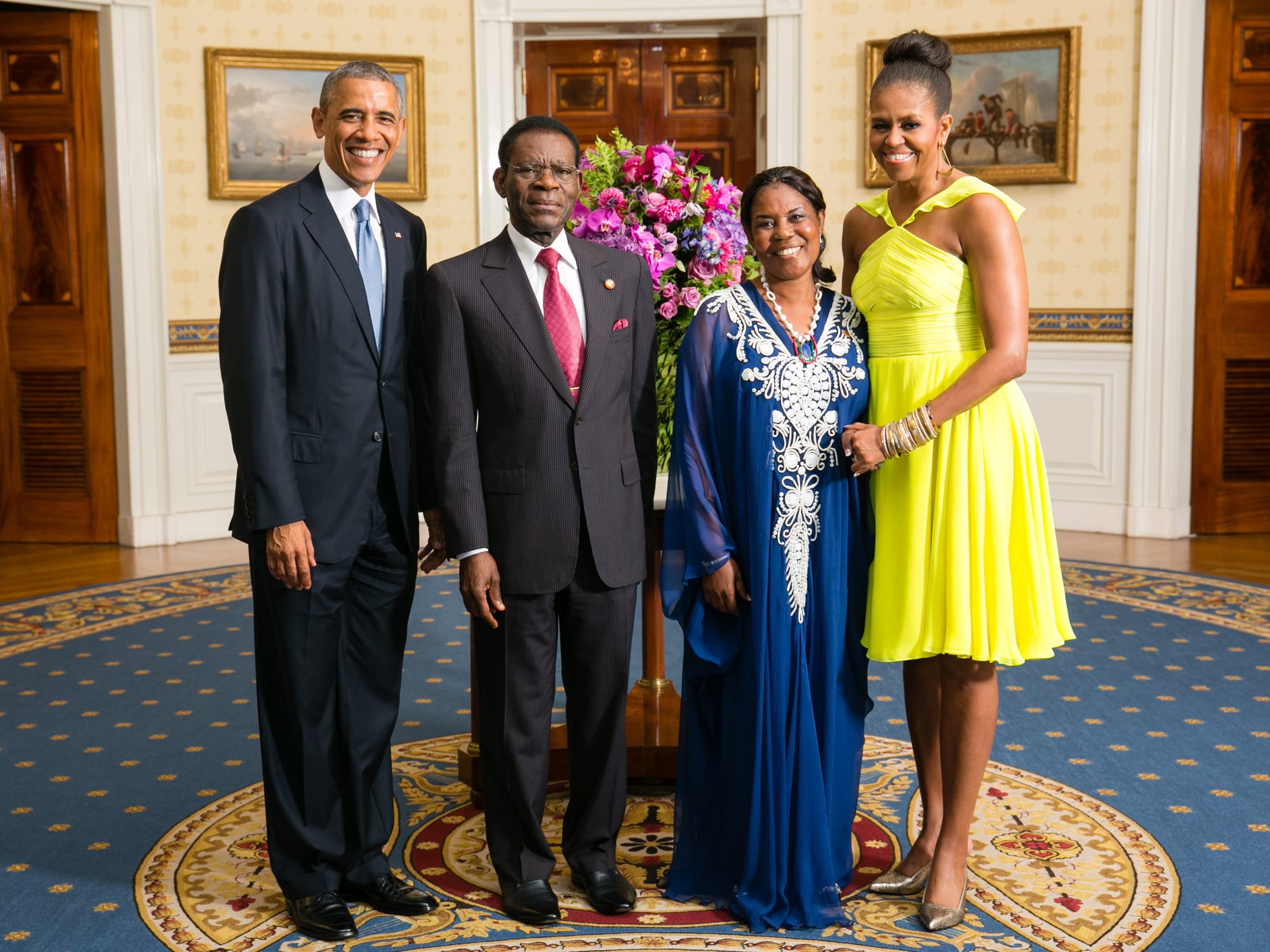
Everything changed in 1996, when large oil reserves were found off Bioko. For a few years Equatorial Guinea was sub-Saharan Africa's third-largest oil producer, and its published GDP per head was among the highest on the continent — while most citizens stayed poor, without reliable electricity or clean water. The president's son and vice-president, Teodorín, became an international symbol of stolen wealth, with a Malibu mansion, a Paris townhouse, a fleet of supercars and a collection of Michael Jackson memorabilia, some of it later seized by French and American courts. In 2004 a group of mercenaries attempted to overthrow Obiang in the so-called "Wonga Coup", and were intercepted in Zimbabwe.
Equatorial Guinea now
Oil production has declined from its peak, and the government has spent heavily on prestige projects, including a purpose-built new capital, Ciudad de la Paz, carved out of the mainland forest; a presidential decree in January 2026 moved the capital there from Malabo, though the city is still under construction. Portuguese was added as a co-official language in 2010 to smooth entry into the Lusophone bloc. Obiang, in his eighties, has made Teodorín first vice-president, in line to succeed him. The country remains, in effect, the private concern it has been since 1968.
What Equatorial Guinea carries
Equatorial Guinea's shape — an island capital, a mainland hinterland, a Spanish tongue in Central Africa — is the residue of an 18th-century swap between two European crowns. Its politics have never escaped the single family that took over at independence: first through terror, then through oil. The wealth beneath its waters could have rewritten the story. So far it has mostly underwritten the people already in charge.