Attractions & Natural Wonders · Guyana
Guyana: Nine Attractions and Natural Wonders
A single-drop waterfall about four and a half times the height of Niagara, rainforest that covers most of the country, a wooden colonial capital below sea level, and savanna cattle ranches full of jaguars and giant otters
By Worldlore Editorial · 30 September 2026
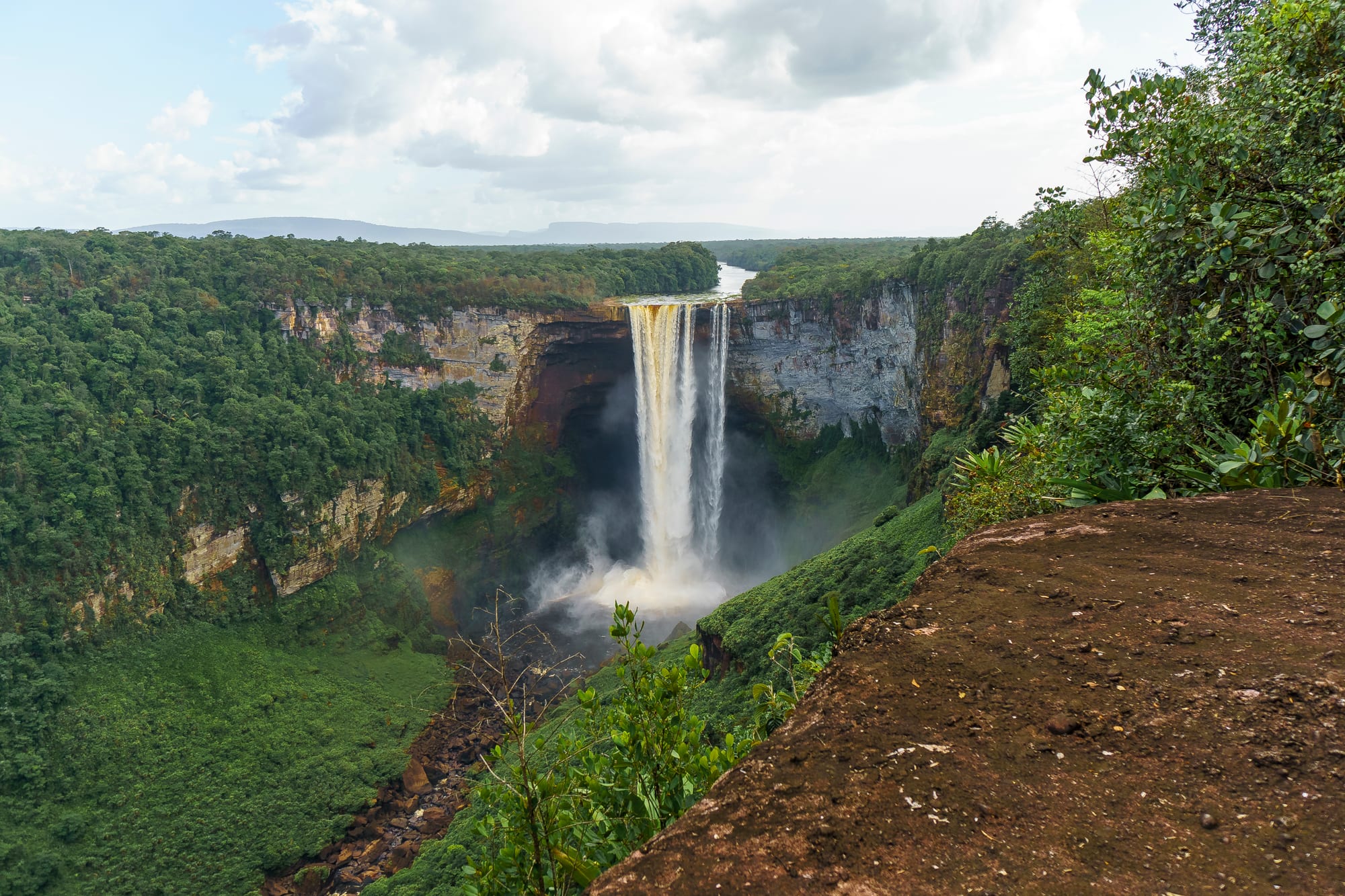
The land of many waters
Guyana, on the northeast shoulder of South America, is culturally a Caribbean country — English-speaking, a former British colony, tied to Trinidad and Jamaica more than to its Spanish- and Portuguese-speaking neighbours. Its roughly 800,000 people, mostly of Indian and African descent, live along a narrow coastal strip, much of it below high-tide level behind sea walls and drainage canals begun by the Dutch. Behind them, more than 80 percent of the country is forest, with savanna and tabletop mountain beyond, with some of the best-preserved wildlife habitat on the continent.
The nine below run from the coast into the deep interior. The dry seasons (roughly September–November and February–April) are best for travel and wildlife; Kaieteur is fullest just after the rains.
1. Kaieteur Falls
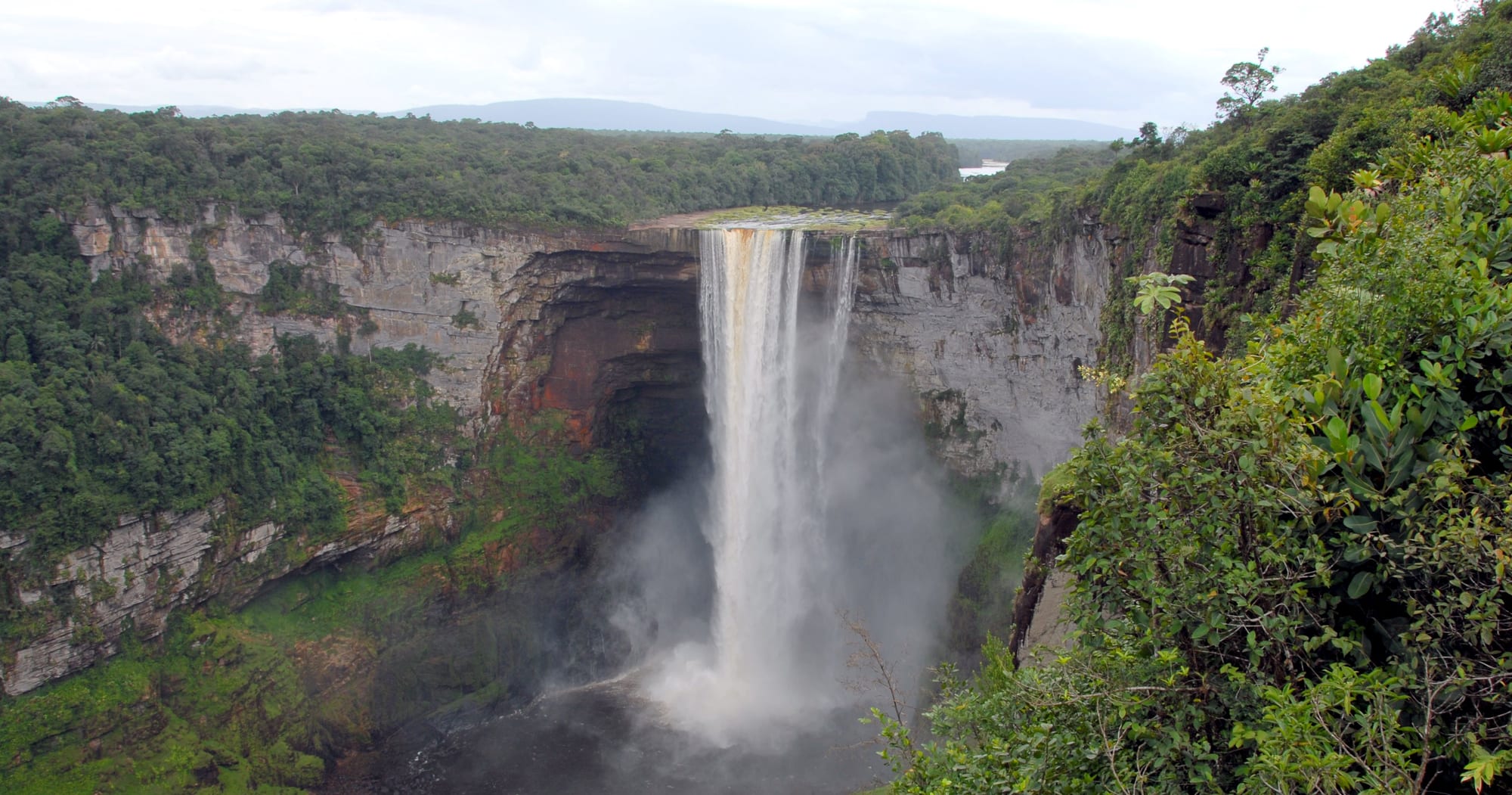
Kaieteur is Guyana's icon and one of the world's great waterfalls — a single sheer drop of 226 metres (with a further cascade below), carrying a huge volume of water, and set in pristine forest with almost no infrastructure and few other visitors. Golden rocket frogs, found nowhere else, breed in the giant tank bromeliads near the top. Most people fly in from Georgetown for a couple of hours on the clifftop trails.
Overland trips exist but take days of river and jungle travel.
2. Georgetown
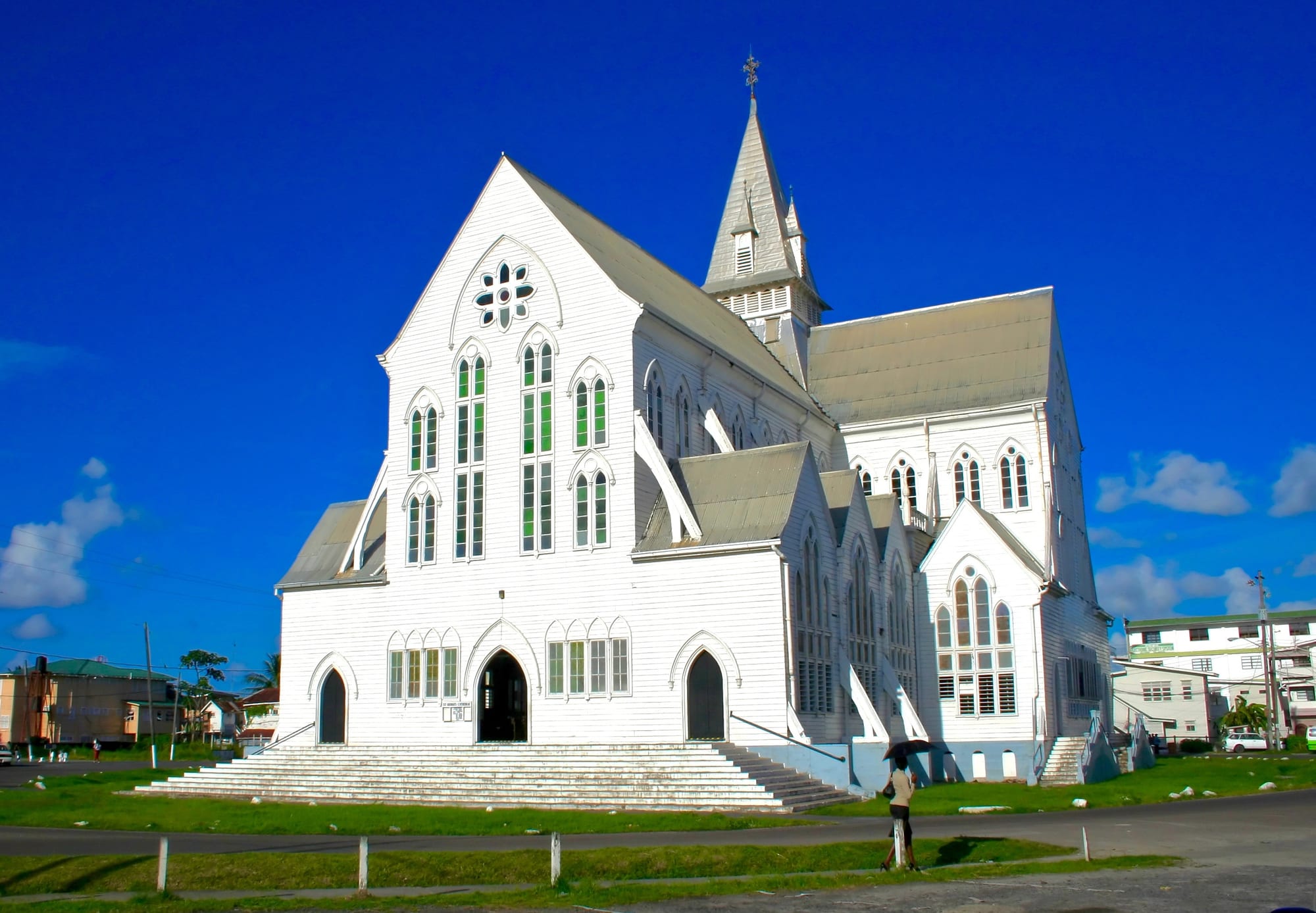
Georgetown, the capital, is a low, hot, faded city of Victorian wooden architecture behind a long sea wall. Highlights include St George's Cathedral, a soaring timber Gothic Revival church completed in 1899; the red-painted colonial "Red House"; the Walter Roth anthropology museum; the botanical gardens with their manatee pond; and a cricket-mad culture at the moated Bourda ground. It is also the base for every trip into the interior.
The wooden buildings and drainage canals give it a slightly New Orleans feel; take normal city precautions after dark.
3. Stabroek Market
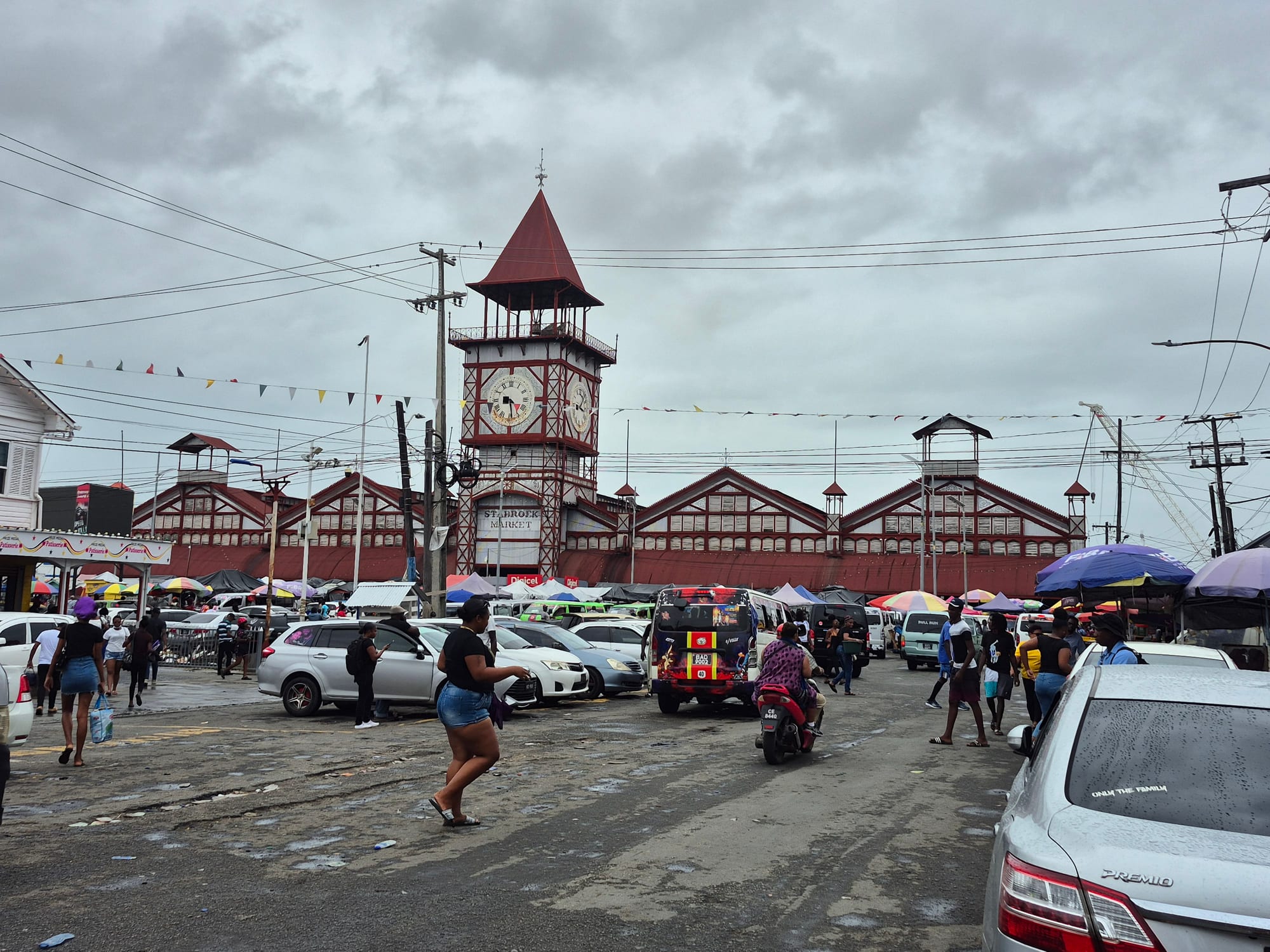
Stabroek Market, on the bank of the Demerara river, is Georgetown's chaotic commercial heart — a rambling Victorian iron shed topped by a landmark clock tower, packed with stalls of gold jewellery, produce, salt fish, pepper sauce, and hardware, and surrounded by minibus ranks. It is the best place to feel the mix of the country's Indo- and Afro-Guyanese, Amerindian, Chinese, and Portuguese threads.
Go in the morning, keep valuables close, and it is a highlight rather than a chore.
4. The Iwokrama rainforest
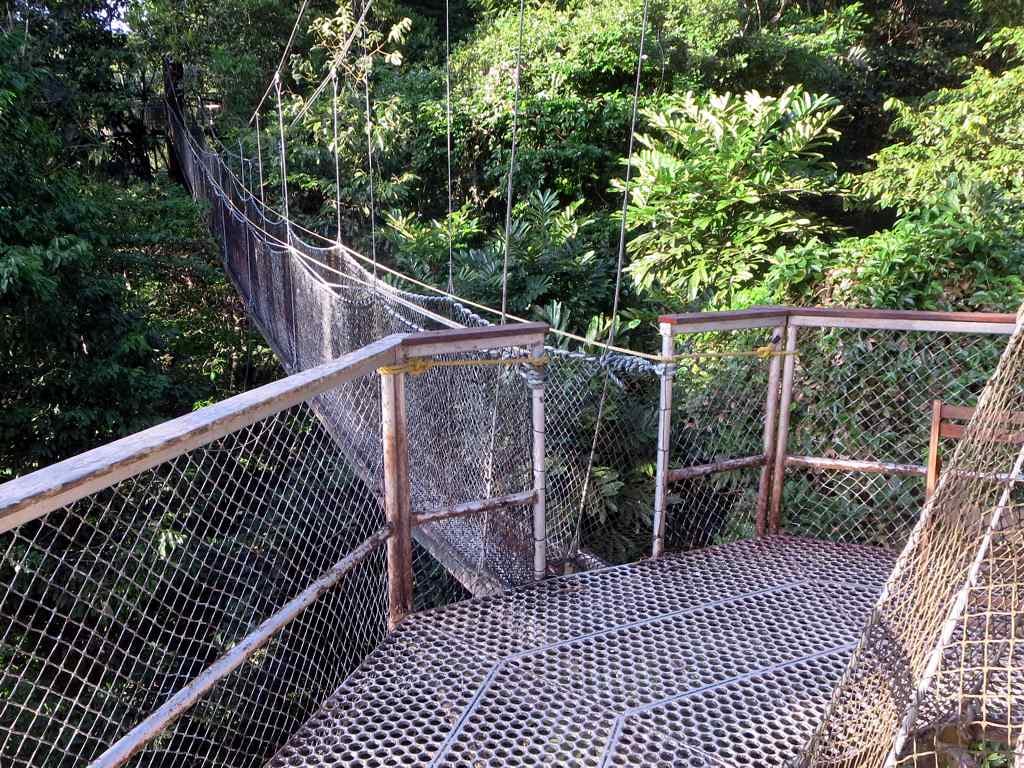
Iwokrama is a reserve of about 3,700 square kilometres of intact rainforest in the centre of the country, managed for conservation and low-impact tourism with the Amerindian communities that live around it. A canopy walkway puts visitors in the treetops for dawn birdwatching; boat trips on the Essequibo look for black caimans and river otters; and the forest offers a real chance, with luck, of seeing a wild jaguar.
The road linking Georgetown with Lethem and Brazil runs through it, so it is reachable by 4x4 as well as by air.
5. The Rupununi savanna
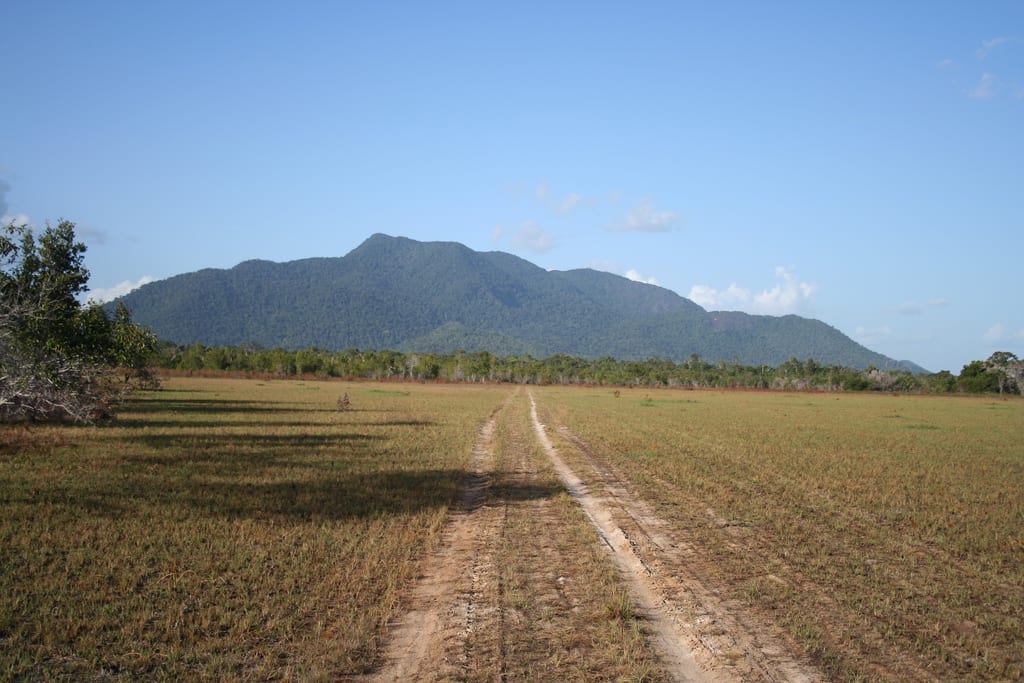
South of the forest, the Rupununi opens into vast seasonal grassland and wetland along the Brazilian border — a landscape of Amerindian villages and a few old cattle ranches that now take guests. Karanambu, once home to "otter lady" Diane McTurk (who raised dozens of orphaned otters), is famous for its giant river otters; nearby Caiman House is a community ecolodge named for the black caiman; and the savanna and wetlands hold giant anteaters, jaguars, and the giant waterlily Victoria amazonica.
The regional town, Lethem, sits on the Brazilian border; the savanna is best in the dry season.
6. The Rewa and Essequibo rivers
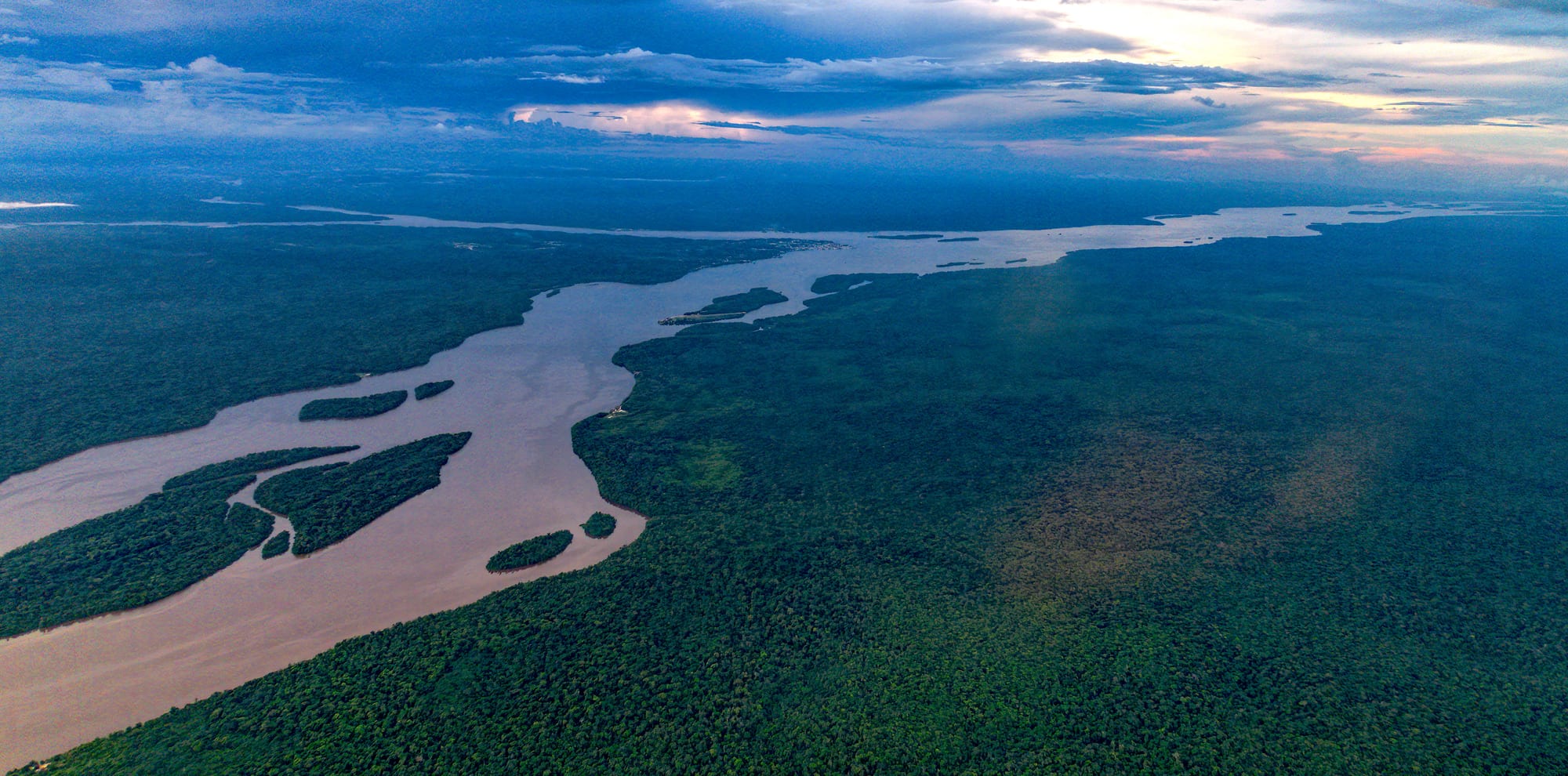
The Essequibo, the largest river between the Orinoco and the Amazon, and the wild Rewa, a tributary of the Rupununi, are the classic Guyanese wilderness journey — days of boat travel and hammock camps run by the village of Rewa, looking for arapaima (one of the largest freshwater fish in the world) in oxbow lakes, tapirs on the banks, and harpy eagles overhead. The village has helped rescue and relocate endangered arapaima.
Trips are arranged through the community-owned Rewa Eco-Lodge and Georgetown operators.
7. Shell Beach
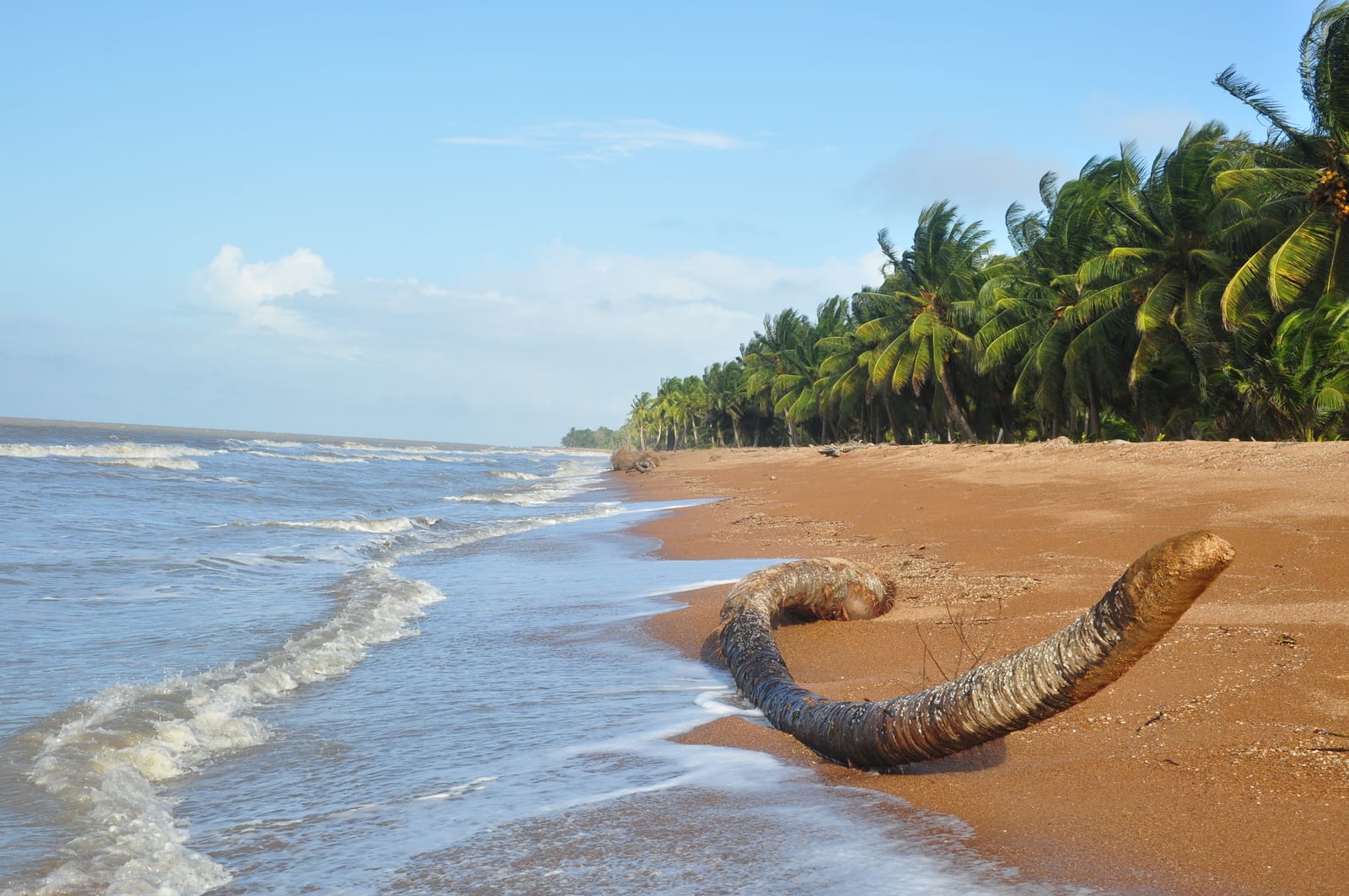
Shell Beach, a roughly 120-kilometre stretch of the northwest coast near the Venezuelan border, is a major sea-turtle nesting ground — leatherback, green, hawksbill, and olive ridley turtles all nest here, protected since the 1960s by conservationists and, since 2001, as part of a protected area run with local groups. The beach takes its name from the shell fragments in its sand.
It is reached by a long boat trip, with simple camps for visitors.
8. Orinduik Falls
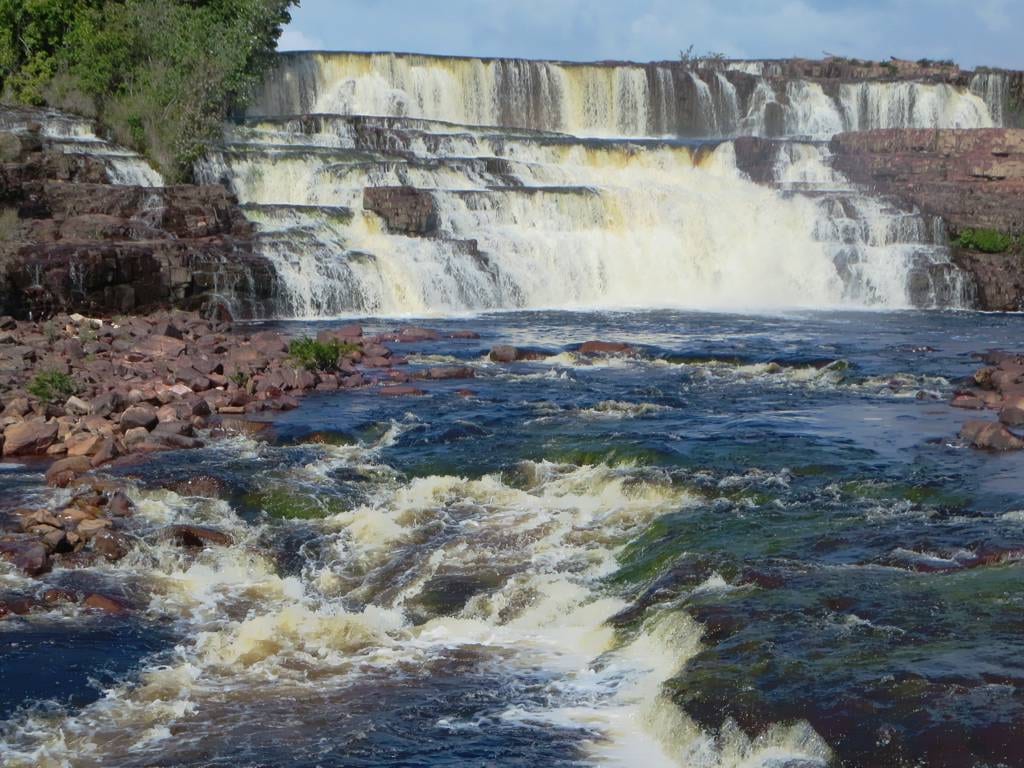
Orinduik, often visited on the same flight day as Kaieteur, is its opposite in character — not a single towering drop but a broad staircase of terraced rock over which the Ireng river slides in shallow, warm sheets, ideal for sitting and bathing. It straddles the Brazilian border in rolling, open Pakaraima savanna, a complete change of scenery from the forest.
Charter flights combine Kaieteur and Orinduik into one long day trip from Georgetown.
9. The Kanuku Mountains
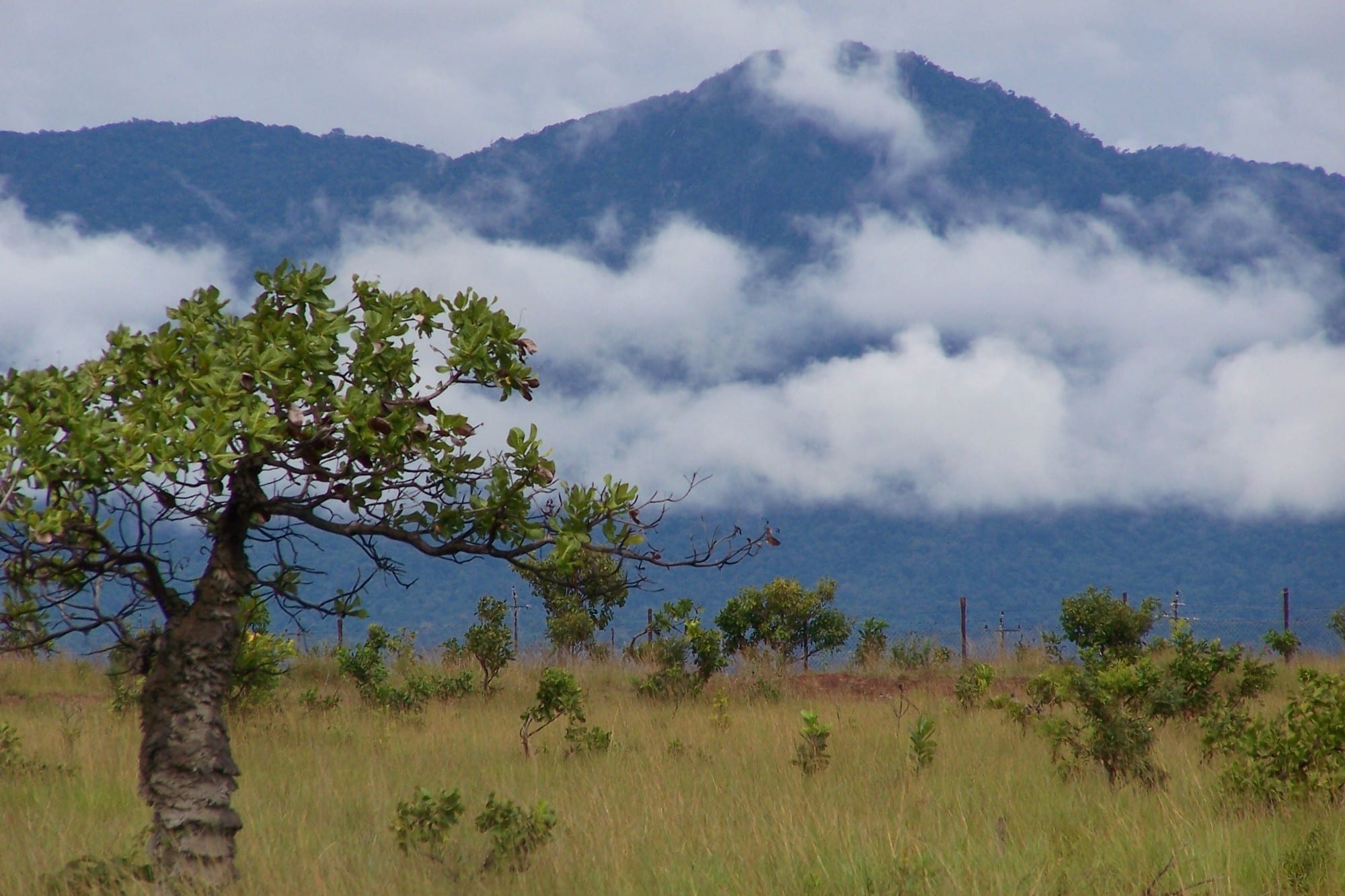
The Kanuku Mountains, rising forested out of the southern Rupununi, are one of the most biodiverse spots in Guyana — their forests holding more than half of the country's known bird species and about 70 percent of its mammals, including giant otter, harpy eagle, and arapaima in the rivers; the mainly uninhabited range has been a National Protected Area since 2011. Villages around its edges offer guided forest walks and river trips.
They are reached from Lethem, at the end of the road (or flight) from Georgetown.
Guyana is an adventure-travel destination: distances are huge, roads few, and most serious trips use light aircraft and boats arranged in advance. A typical week to ten days links Kaieteur, Iwokrama, and the Rupununi, with a day or two in Georgetown.