Food · Guyana
Guyana: Food and the National Dish
A dark, slow-cooked stew built on a cassava syrup made by Indigenous Amerindian communities long before colonial settlement, at the meeting point of the Caribbean and South America
By Worldlore Editorial · 30 September 2026
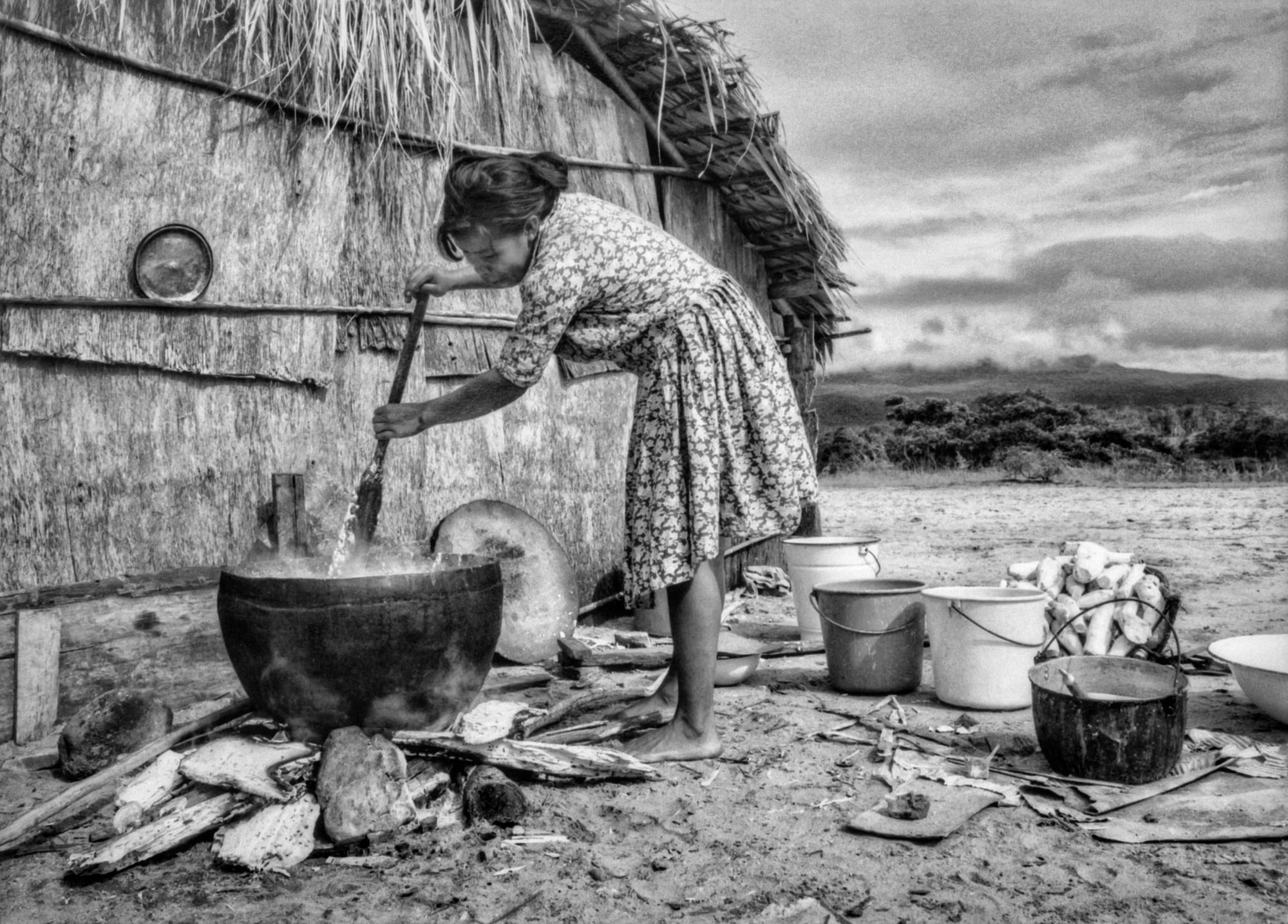
A Caribbean nation on the South American mainland
Guyana sits on South America's northern coast but identifies culturally with the Caribbean, and its food reflects that dual position directly: Indigenous Amerindian ingredients and techniques form the deepest layer, overlaid with African, Indian, Portuguese and Chinese influences carried by the different communities who settled here.
The national dish: pepperpot
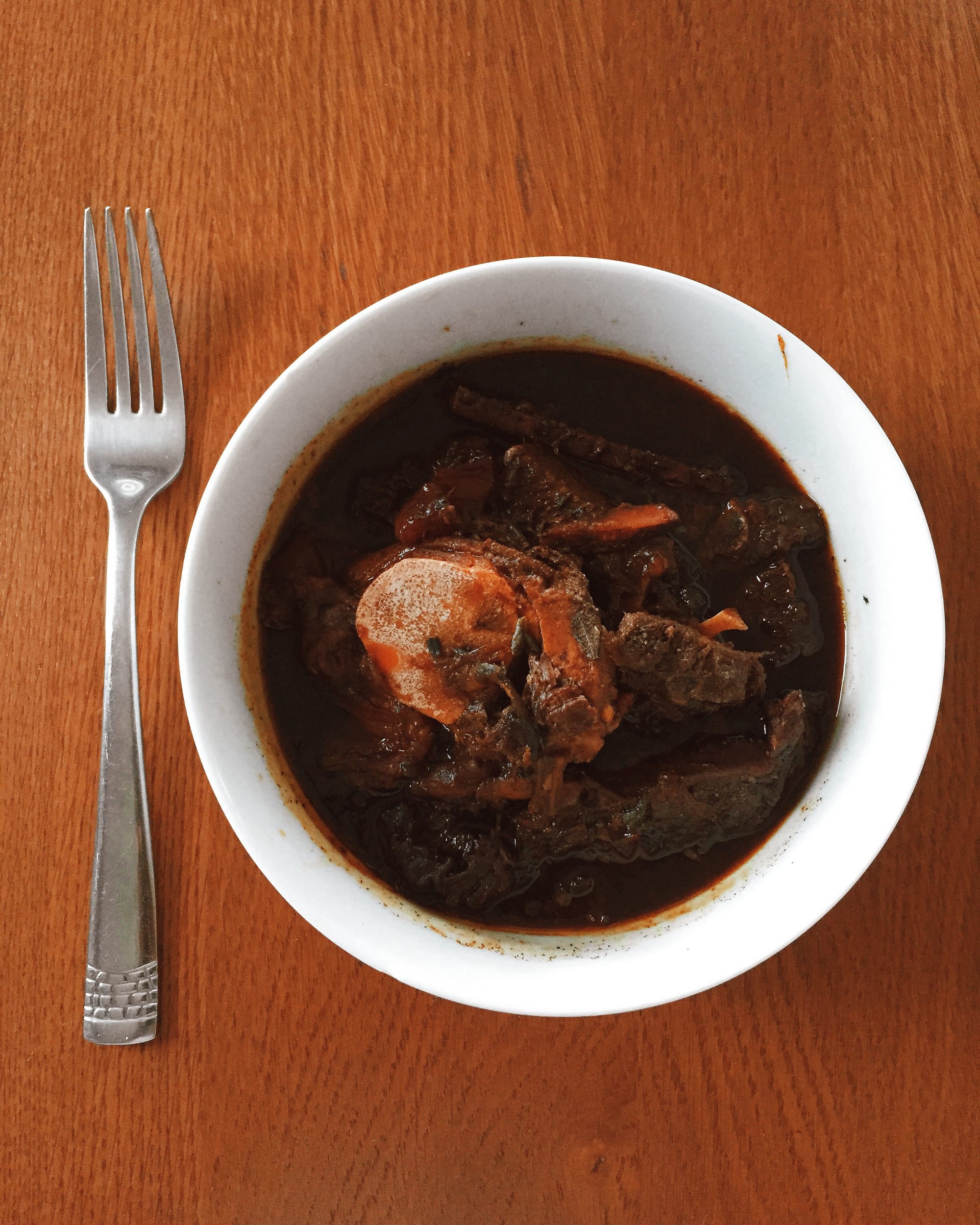
Pepperpot, meat slow-cooked for hours in cassareep, a dark syrup boiled down from bitter cassava juice, along with cinnamon, cloves and hot pepper, is widely regarded as Guyana's national dish, a title it shares in some accounts with chicken curry and cook-up rice. Cassareep is commonly regarded as a preservative, so a pot of pepperpot can be reheated and eaten over several days, a practice inherited from the original Amerindian version of the dish. It's traditionally served at Christmas, though it's eaten well beyond the holiday too.
Cassava, rice and a genuinely mixed pantry
Cassava anchors Guyana's Indigenous culinary base, both as a root vegetable and as cassareep itself, while rice, grown extensively in Guyana's coastal lowlands, forms the everyday starch for most meals. A substantial Indo-Guyanese population, descended from indentured labourers brought from India in the 19th and early 20th centuries, has also made curry, roti and dal genuinely everyday Guyanese food rather than a separate cuisine sitting alongside the rest.
History behind the pot
Cassareep and the pepperpot tradition trace directly to Guyana's Indigenous Amerindian peoples, who used cassava juice to keep meat for days before European contact. Waves of later settlement, enslaved Africans, indentured labourers from India and China, and Portuguese immigrants, each added their own dishes without displacing that Indigenous foundation, making Guyanese food a genuinely layered rather than singular tradition.
Dishes to know
Five more to recognise across Guyana:
- Cook-up rice — rice cooked in one pot with peas or beans, meat and
often coconut milk, Guyana's version of Caribbean rice and peas.
- Roti and curry — flatbread served with curried meat, fish or
vegetables, reflecting Guyana's large Indo-Guyanese population.
- Metemgee — a coconut-milk-based stew of ground provisions like
cassava, plantain and yam, with dumplings.
- Chinese-Guyanese chow mein — a distinctly Guyanese take on Chinese
noodles, reflecting the country's Chinese immigrant community.
- Garlic pork — pork seasoned heavily with garlic, traditionally served
at Christmas alongside pepperpot.
Drinks
El Dorado rum, produced in Guyana and internationally well-regarded, is the country's best-known spirit. Mauby, a bittersweet bark-based drink shared across the Caribbean, and fresh tropical fruit juices are common everyday non-alcoholic choices.
Eating as a traveller
Vegetarians will find dal, roti and vegetable-based metemgee manageable, thanks especially to Guyana's strong Indo-Guyanese vegetarian cooking tradition. Tap water is not reliably safe outside Georgetown's better hotels; stick to bottled or boiled water. Trying pepperpot around Christmas, if visiting then, offers the fullest version of the dish's tradition.
What to take from the table
Pepperpot, built on a cassava syrup Indigenous communities perfected long before anyone else arrived, is the dish that most directly connects modern Guyanese food to the land's original cooks.