Food · Mauritania
Mauritania: Food and the National Dish
Camel couscous cooked under a desert tent, at the meeting point of Arab-Berber North Africa and the West African Sahel
By Globeway Editorial · 30 September 2026
A country between two food worlds
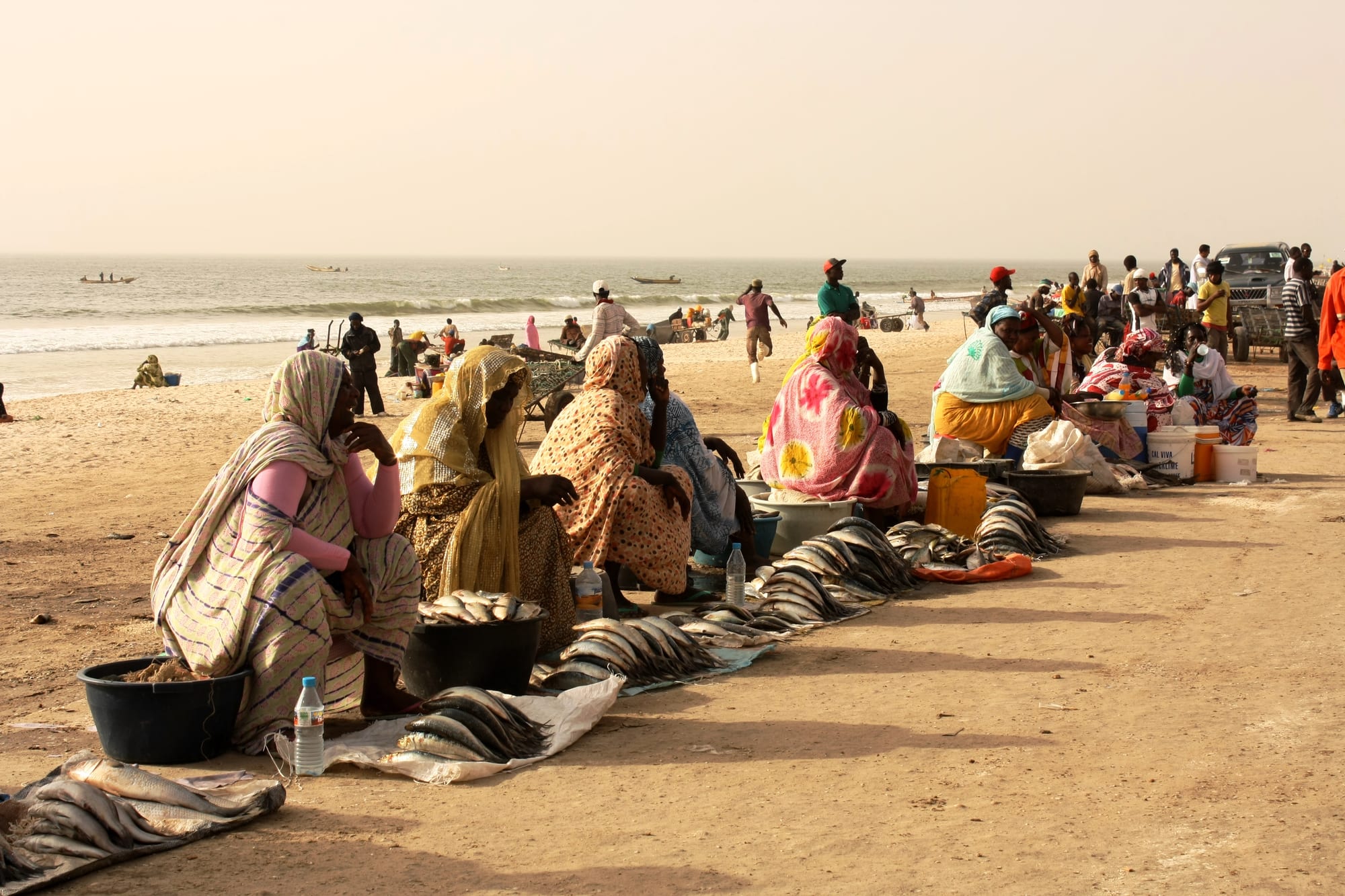
Mauritania sits at a genuine crossroads between Arab-Berber North Africa and the West African Sahel, and its food reflects both halves directly: camel and goat meat, couscous and dates from its Maghreb, nomadic Moorish heritage, alongside rice and fish traditions shared with Senegal and its other West African neighbours to the south.
The signature dish: camel couscous
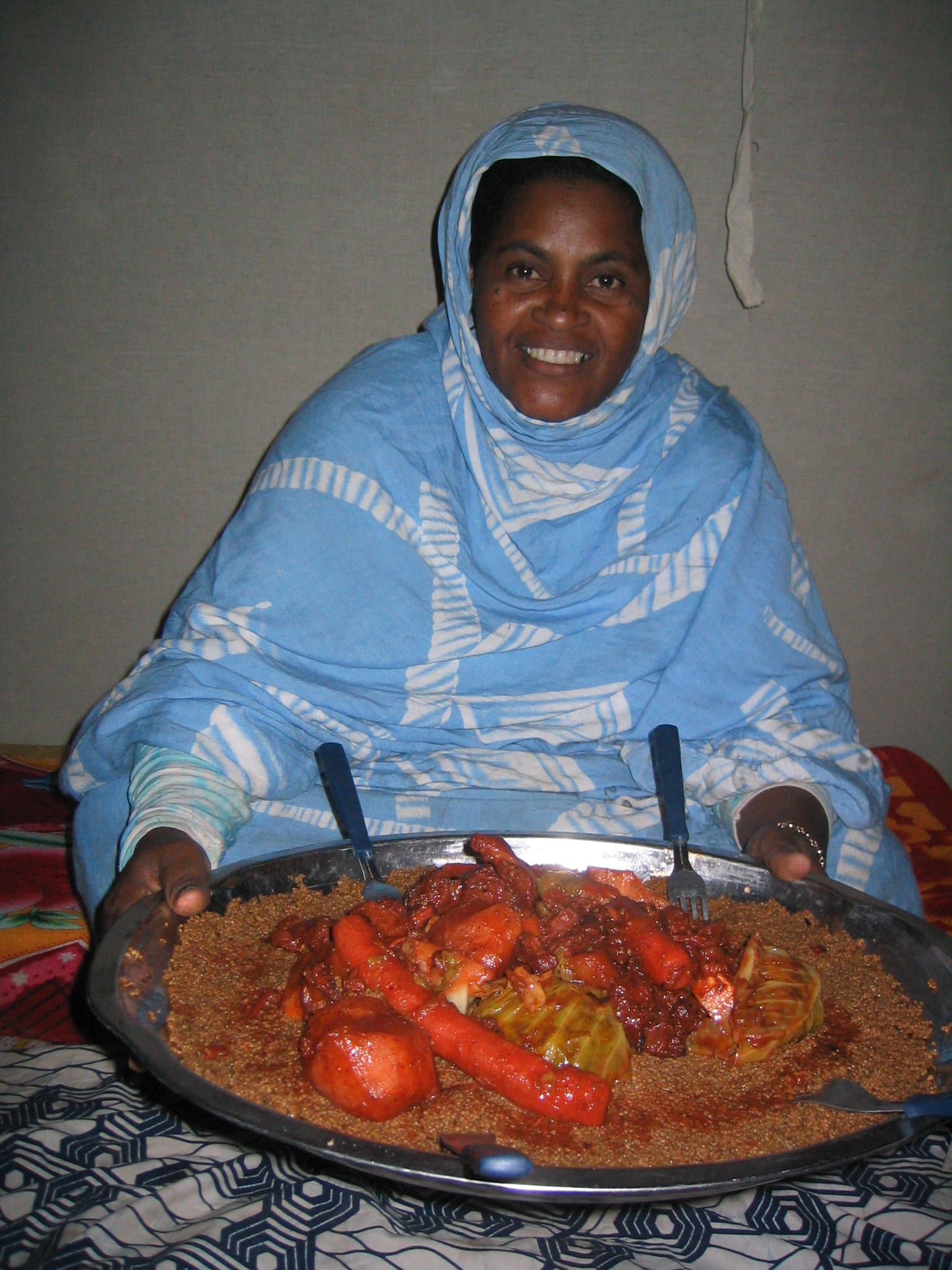
Couscous made with camel meat, steamed semolina served alongside slow- cooked camel and vegetables, is one of Mauritania's more distinctive dishes and reflects the country's nomadic Moorish herding tradition, though camel is eaten less often than lamb, goat or fish. Meals are traditionally eaten communally, and couscous is also made with lamb, as in cherchem. The dish most often named as Mauritania's national dish is in fact thieboudienne, described below.
Rice, fish and a shared Sahel tradition
Thieboudienne, rice cooked with fish and vegetables in a tomato-based sauce, is the national dish of Senegal and is also considered the national dish of Mauritania, a shared dish reflecting the common food culture of the Senegal River valley that forms much of the border between the two countries. Dates, millet, dairy from camels and goats, and fresh Atlantic fish, from a fishing sector that is one of the mainstays of the economy, round out the country's dual-tradition pantry.
History behind the dual identity
Mauritania's population is made up of the Bidhan, or white Moors, of mixed Arab-Berber descent, the Haratin, or black Moors, and Sub-Saharan peoples such as the Haalpulaar, Soninke and Wolof, most of whom live near the Senegal River. The Moors' nomadic herding lifestyle shaped the country's meat-and-couscous tradition, while the communities of the Senegal River valley, whose rice-and-fish cooking ties Mauritania directly to the wider West African Sahel. French colonial rule, which ended in 1960, left its own traces too, and the cuisine overlaps with Morocco's in the north and Senegal's in the south.
Dishes to know
Five more to recognise across Mauritania:
- Cherchem — Mauritanian couscous made with lamb.
- Méchoui — whole roasted lamb, a celebration dish found across the
Maghreb and in Mauritania.
- Dates — a genuine everyday staple, especially in the desert interior,
reflecting Mauritania's Saharan geography.
- Zrig — a drink of milk or water mixed with fermented milk, often
sweetened, a traditional nomadic staple.
- Mahfe — goat or camel meat in a peanut, okra and tomato sauce,
served over rice.
Drinks
Attaya, strong, sweet green tea with mint served in three rounds, is a central social ritual in Mauritania, as in Senegal, Mali, Guinea and the Gambia. Zrig, milk or water mixed with fermented milk, is a traditional refreshment, and bissap (hibiscus) and baobab-fruit drinks are also popular. Alcohol is prohibited in Islam, and its sale is largely limited to hotels.
Eating as a traveller
Vegetarians will find couscous and rice-based vegetable dishes manageable, though meat and fish are central to most traditional cooking. Tap water is not reliably safe outside major hotels; stick to bottled or boiled water. Accepting tea when it is offered is part of Mauritanian hospitality, and meals are traditionally shared from a communal dish.
What to take from the table
Camel couscous, cooked under a desert tent, reflects Mauritania's nomadic Moorish heritage, and thieboudienne, often called the national dish, shows how firmly the country's food also belongs to the West African Sahel.