History · Mauritania
Mauritania: The Desert Bridge
A vast Saharan country on the seam between Arab and Black Africa — home of the Almoravids and of caravan cities of scholars, a lightly held French colony, and the last country on Earth to abolish slavery
By Worldlore Editorial · 30 September 2026
A country on a fault line
Mauritania is enormous and nearly empty — over a million square kilometres, about nine-tenths of it Sahara, with some 5.4 million people, most in the south and in the overgrown desert capital of Nouakchott, built up from a small village after 1958. It sits on the seam between Arab North Africa and Black sub-Saharan Africa, and that division defines it: a society layered into Arab-Berber "White Moors", the Hassaniya-speaking "Black Moors" descended from enslaved people, and the sub-Saharan peoples of the river valley. Mauritania was the last country in the world to abolish slavery, and the practice has not entirely disappeared.
A short history
- to c. 1000 CE
Berber Sahara
Trans-Saharan trade; towns like Awdaghust.
- 1040s–1050s
The Almoravids
A Berber reform movement rises in the western desert.
- 13th–17th centuries
Arab migration
Bedouin tribes move west; Hassaniya Arabic spreads.
- 1673–1678
Char Bouba war
Arab warrior tribes become dominant.
- from 1903
French conquest
France takes the south, then the nomadic north.
- 1960
Independence
The Islamic Republic of Mauritania, under Moktar Ould Daddah.
- 1975–1979
Western Sahara war
Mauritania takes, then renounces, a share of the territory.
- 1978–2005
Military rule
Coups, and 21 years under Colonel Taya.
- 1981 / 2007
Slavery
Abolished, then finally criminalised.
Almoravids and caravan cities
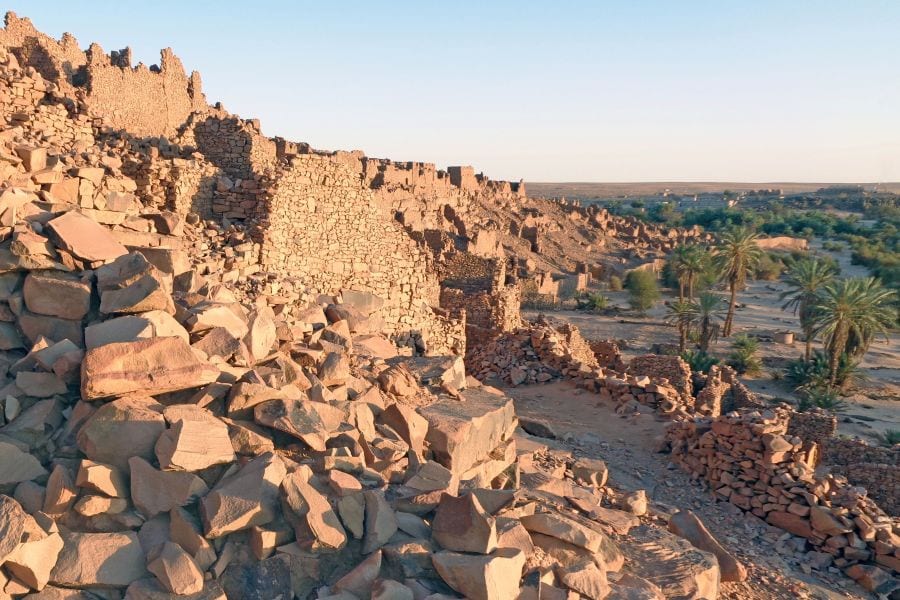
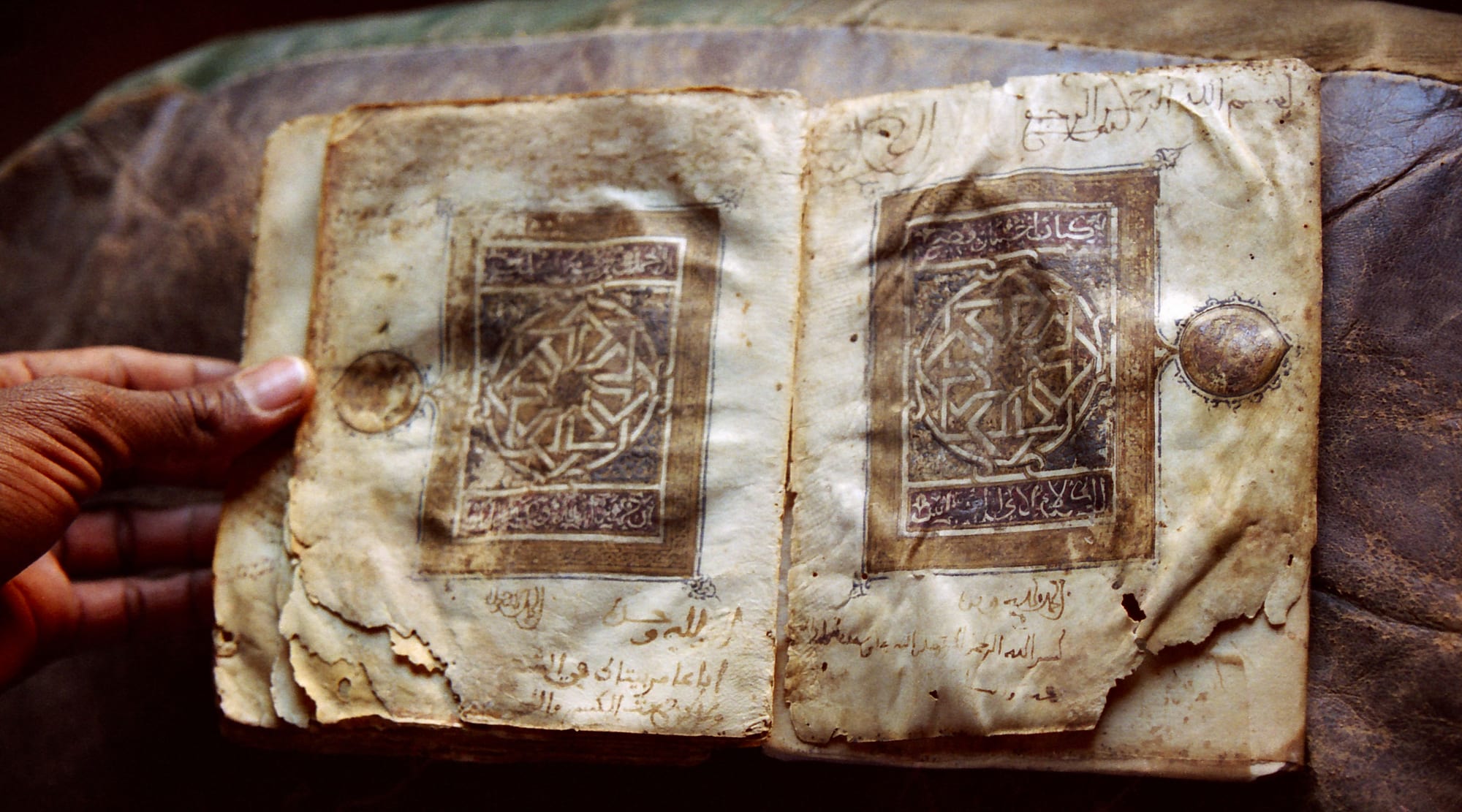
The Sahara was a corridor of trade, and the puritanical Almoravid movement — which went on to conquer Morocco and Muslim Spain and, in the 11th century, to take the Ghana Empire's town of Awdaghust — began among the Sanhaja Berbers of this western desert. From the 13th century, Arab Bedouin tribes migrated west across the Sahara, and after a long war in the 17th century the Arabs became dominant, spreading Hassaniya Arabic and a caste order of warrior and scholarly tribes.
French rule, and independence
France, pushing north from Senegal, established a protectorate over the south from 1903 and subdued the nomadic north only over the following decades, against long resistance. Mauritania was a French colony with almost no infrastructure or administration, governed from Senegal — there was no capital on its own soil.
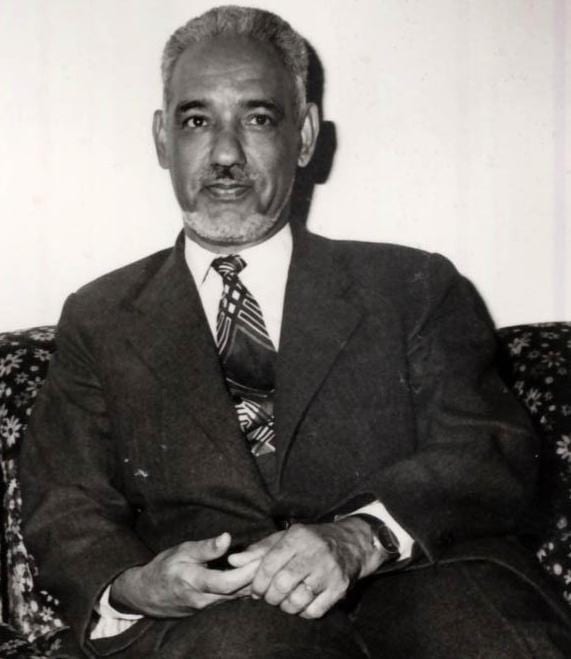
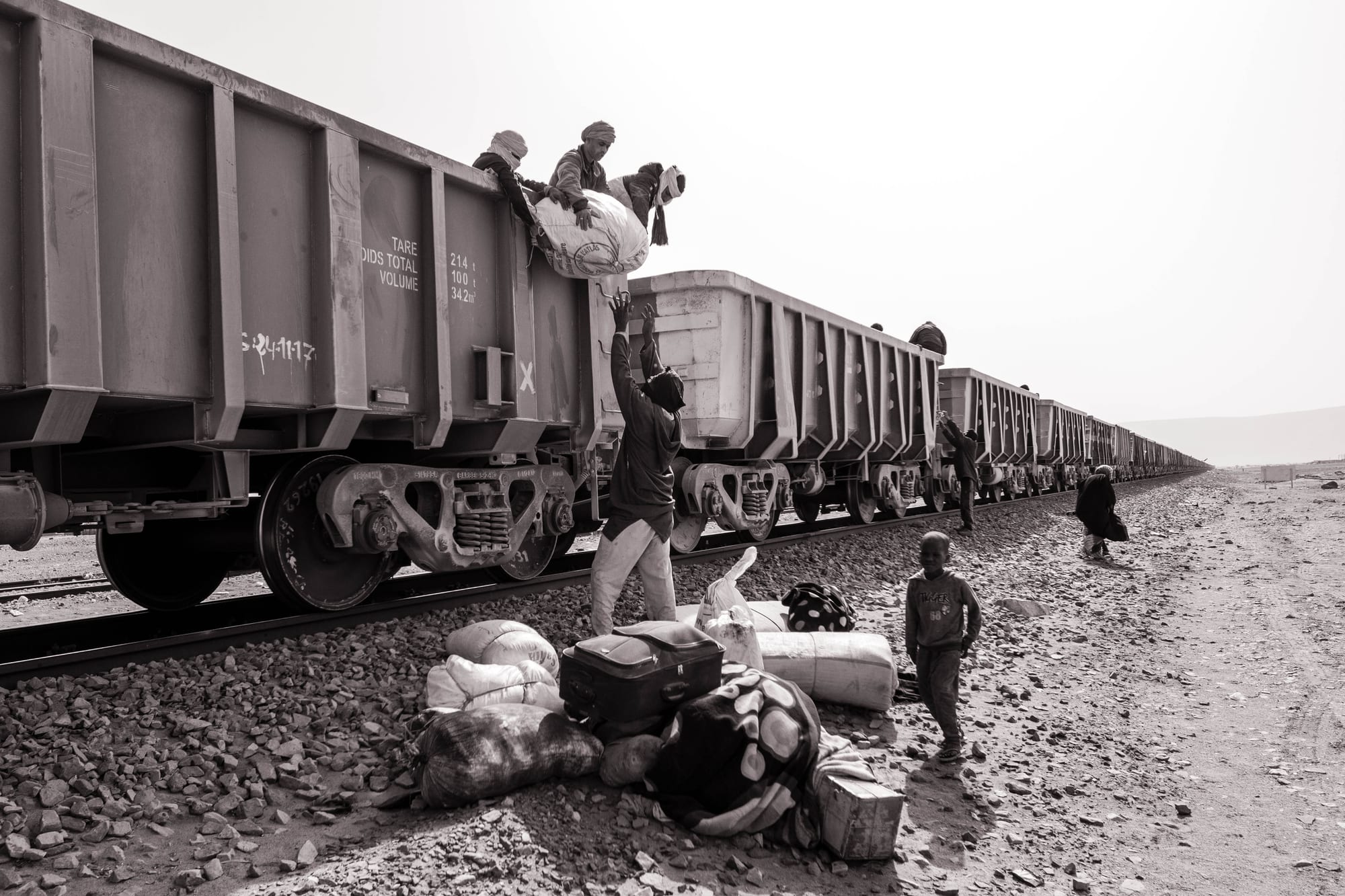
Mauritania became independent on 28 November 1960 as an Islamic Republic. Ould Daddah built a one-party state, pressed the Arabisation of law and education — resented by Afro-Mauritanians — and pursued "Islamic socialism" with many nationalisations, while iron-ore mining became the economic backbone.
War, and military rule
In 1975 Mauritania joined Morocco in partitioning the Spanish Sahara as Spain withdrew, taking the southern third. The Polisario Front's guerrillas then targeted weak Mauritania relentlessly, raiding as far as Nouakchott and wrecking the economy. A 1978 coup toppled Ould Daddah; the new government made peace with Polisario in 1979 and gave up its claim, whereupon Morocco annexed the part Mauritania had held.
Decades of coups followed. From 1984, Colonel Maaouya Ould Taya ruled for 21 years, a period that included the 1989 conflict with Senegal and the accompanying expulsion of tens of thousands of Afro-Mauritanians amid a campaign of terror against Black Mauritanians. Taya was overthrown in 2005, and a further coup in 2008 brought General Mohamed Ould Abdel Aziz, who then won elections in 2009 and 2014.
Mauritania now
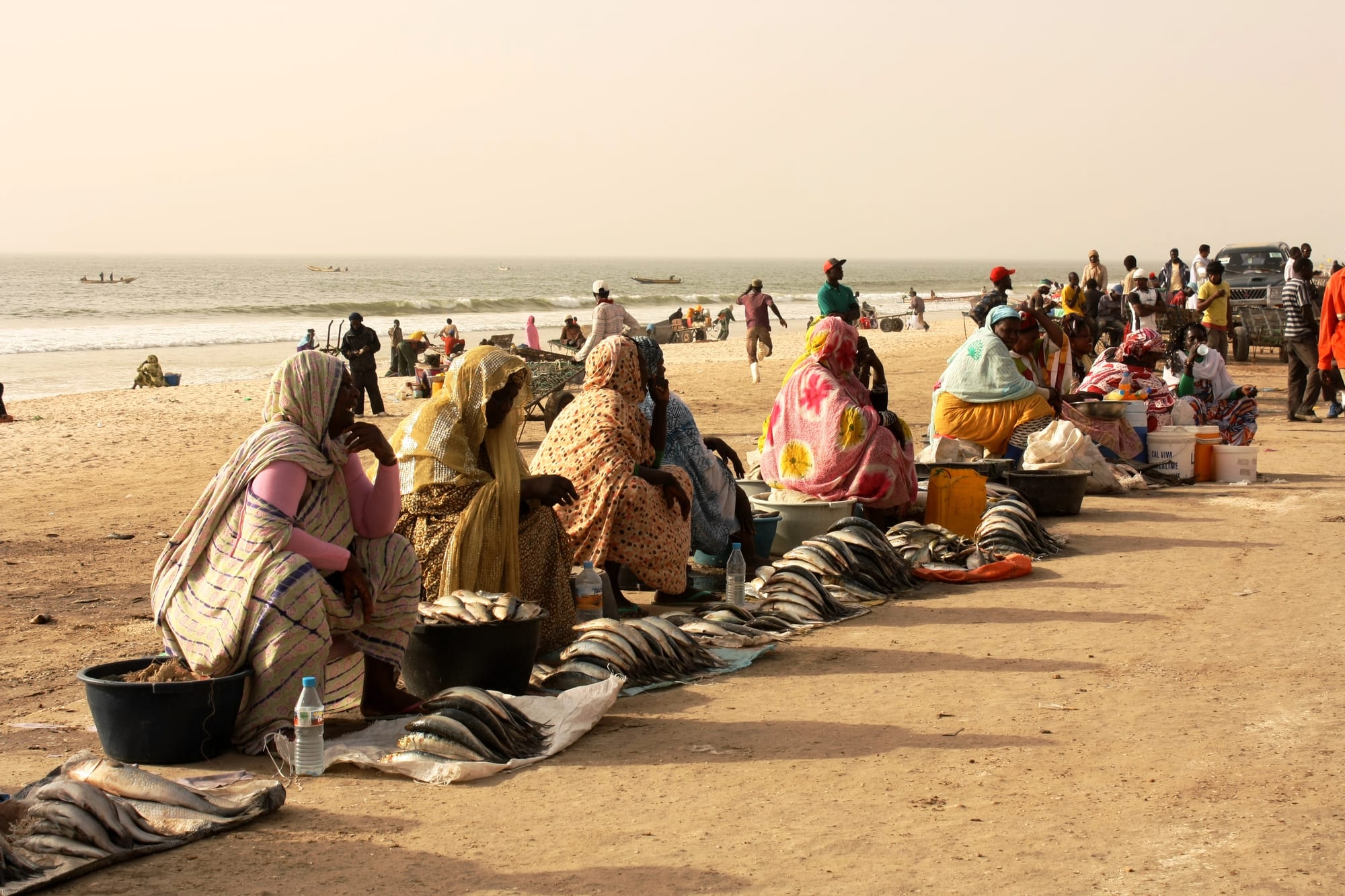
In 2019 power passed to General Mohamed Ould Ghazouani, in what was considered the country's first peaceful transition since independence. Mauritania has so far been spared the scale of jihadist violence seen in neighbouring Mali, and is a major transit country for migration toward Europe. Its unresolved issues are internal: the persistence of slavery and the marginal status of the Haratin, the grievances of Afro-Mauritanians, and the Arab–African balance in a state that officially defines itself as Arab. Human-rights groups say the state has jailed more anti-slavery activists than slave owners.
What Mauritania carries
Mauritania is a bridge country that has never fully reconciled the two shores it connects. Its Arab-Berber identity produced the Almoravids and the manuscript libraries of the desert; its position on the edge of Black Africa produced a society built on the enslavement of Black people that the state was the last on Earth to outlaw. Managing that division, rather than the empty desert around it, is the central task of the Mauritanian state.