Attractions & Natural Wonders · Timor-Leste
Timor-Leste: Six Attractions and Natural Wonders
A 27-metre statue of Christ overlooking a young nation's capital, an island reef with record reef-fish diversity, and a mist-wrapped mountain summit crowned by a Marian shrine
By Worldlore Editorial · 30 September 2026
One of the world's youngest nations
Timor-Leste, which achieved full independence only in 2002 after centuries of Portuguese colonial rule followed by a brutal Indonesian occupation, is one of the youngest countries in the world and still building the tourism infrastructure to match its genuinely striking natural and cultural assets. Mountainous, Catholic (a legacy of Portuguese rule distinct from mostly Muslim Indonesia), and ringed by coral reefs that remain relatively pristine, it remains one of the region's most overlooked destinations.
The six below run from the capital, Dili, to the highlands and outlying Atauro Island. The dry season (roughly May to November) is generally the easiest time to visit.
1. The Cristo Rei statue
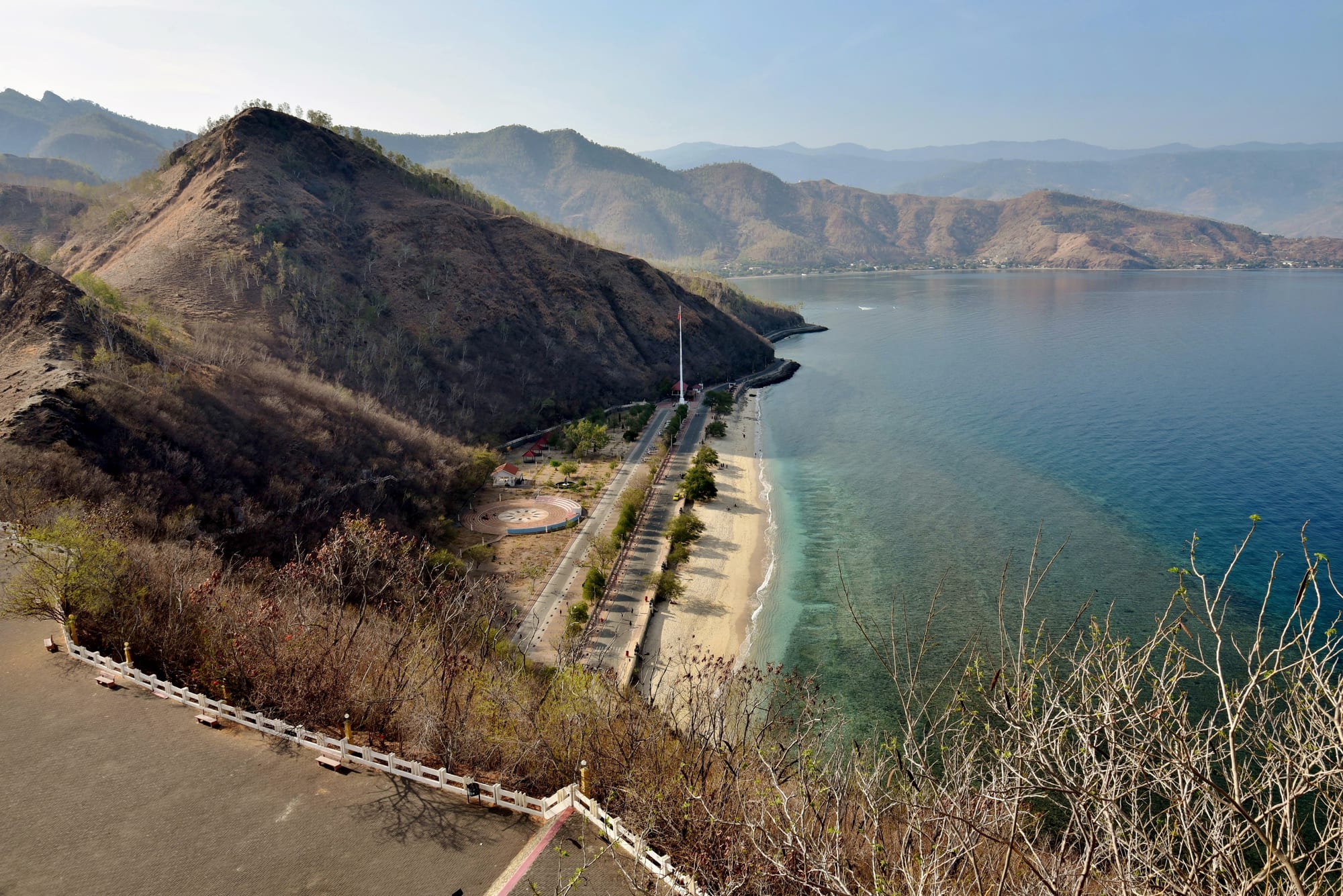
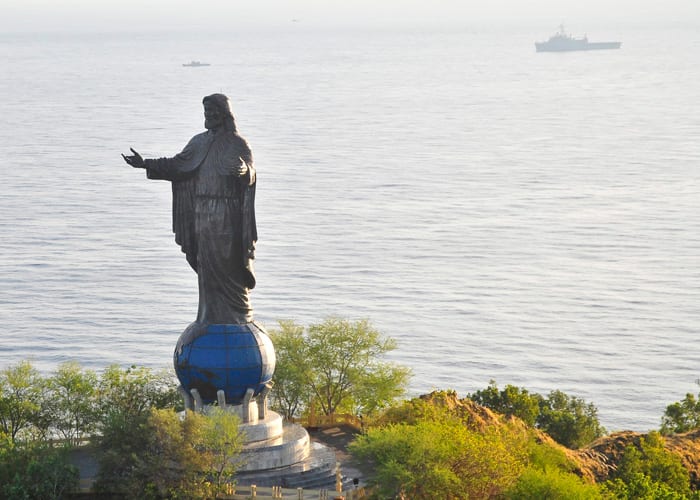
The Cristo Rei of Dili, standing 27 metres tall atop a globe on Cape Fatucama at the eastern edge of the Bay of Dili, was unveiled in 1996 as a gift from the Indonesian government, and that has since become one of Timor-Leste's most recognisable landmarks. A stairway of some 570 steps climbs to its base, giving sweeping views over Dili and the surrounding coastline.
2. Areia Branca and Dili
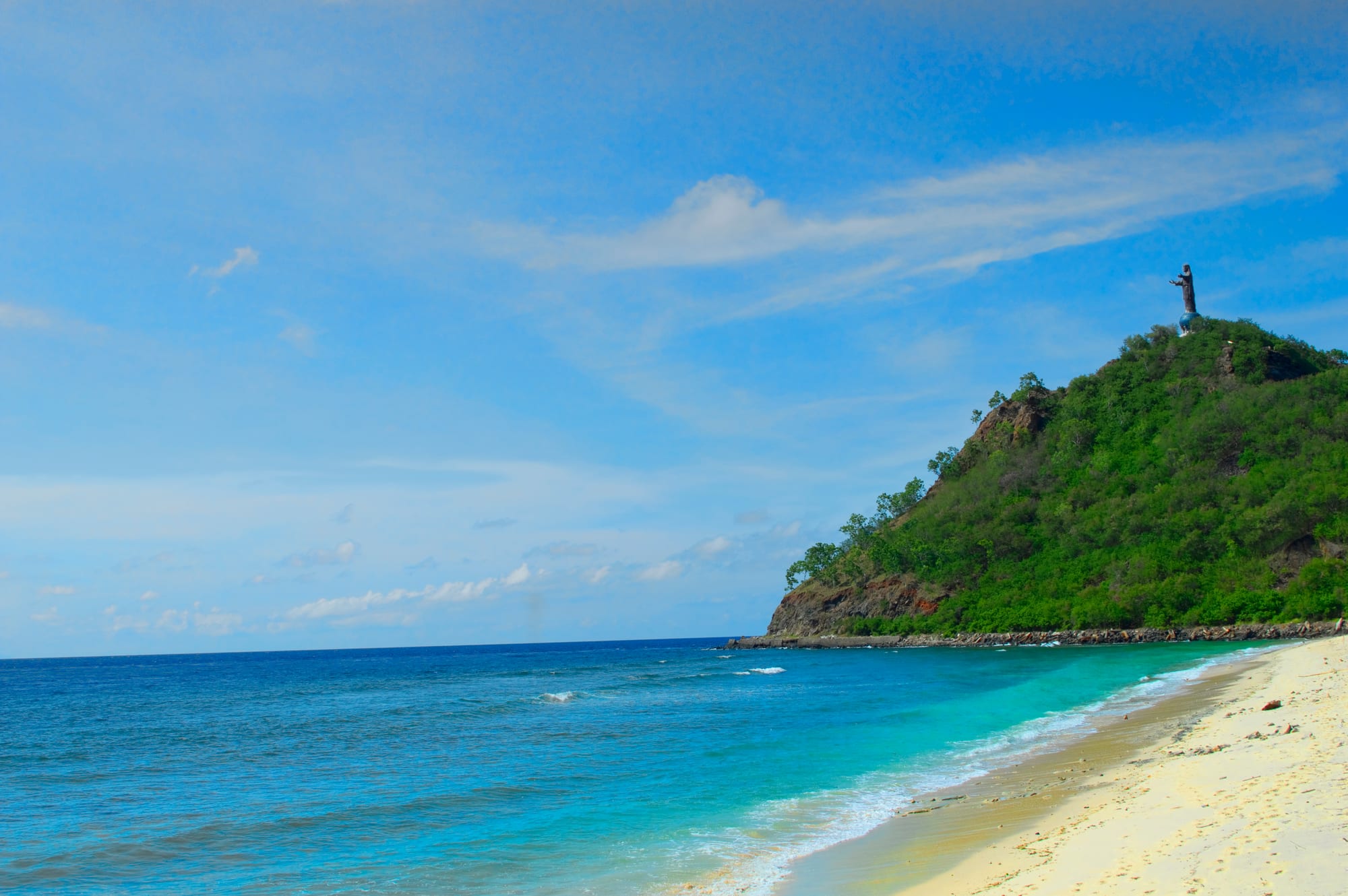
Areia Branca ("White Sand"), on the Bay of Dili, is a popular local beach giving an easy introduction to the capital's relaxed coastal pace. Dili itself, rebuilt substantially since independence, mixes Portuguese colonial-era buildings with newer government architecture reflecting the country's still-developing capital.
3. Atauro Island
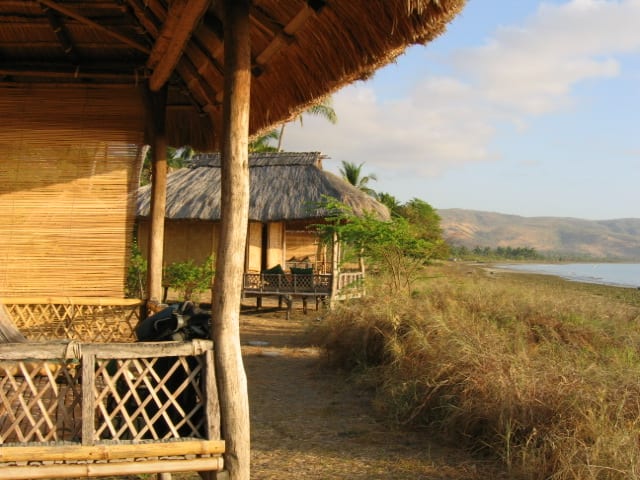
Atauro Island, about two hours by ferry from Dili, is ringed by reefs where a 2016 survey found more reef-fish species per site than anywhere else in the world, making it an increasingly notable draw for divers seeking pristine, uncrowded reef. The island's small guesthouses and eco-tourism remain very low-key.
4. Mount Ramelau
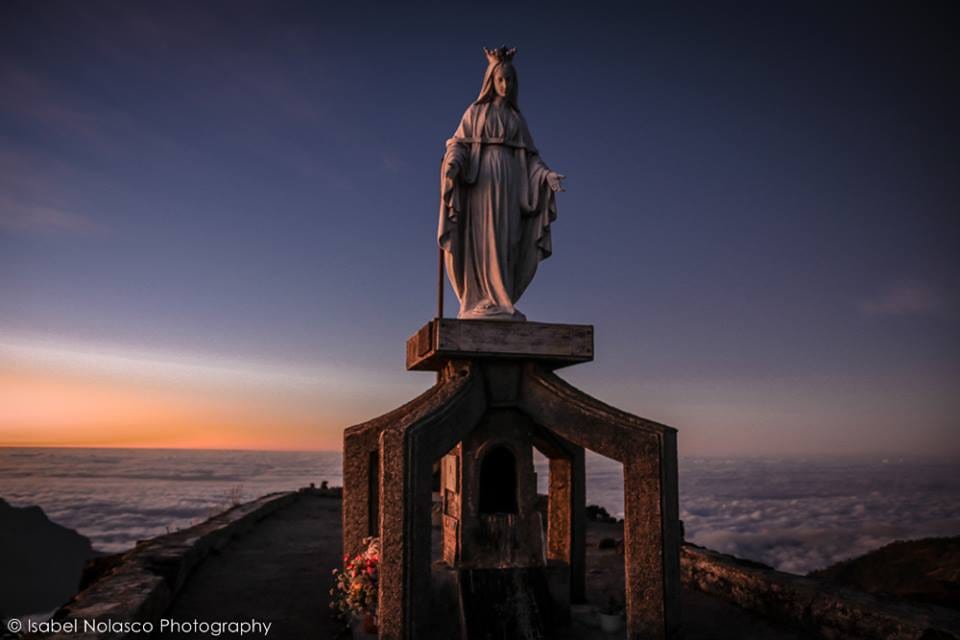
Mount Ramelau, also known as Tatamailau, is the highest peak in Timor-Leste and on Timor island at 2,963 metres; it is dedicated to the Virgin Mary, with a statue of her at the summit and an annual pilgrimage around 25 March drawing pilgrims alongside hikers. A popular overnight trek allows visitors to reach the top before dawn, timed to catch sunrise above the clouds.
5. Maubisse and the highlands
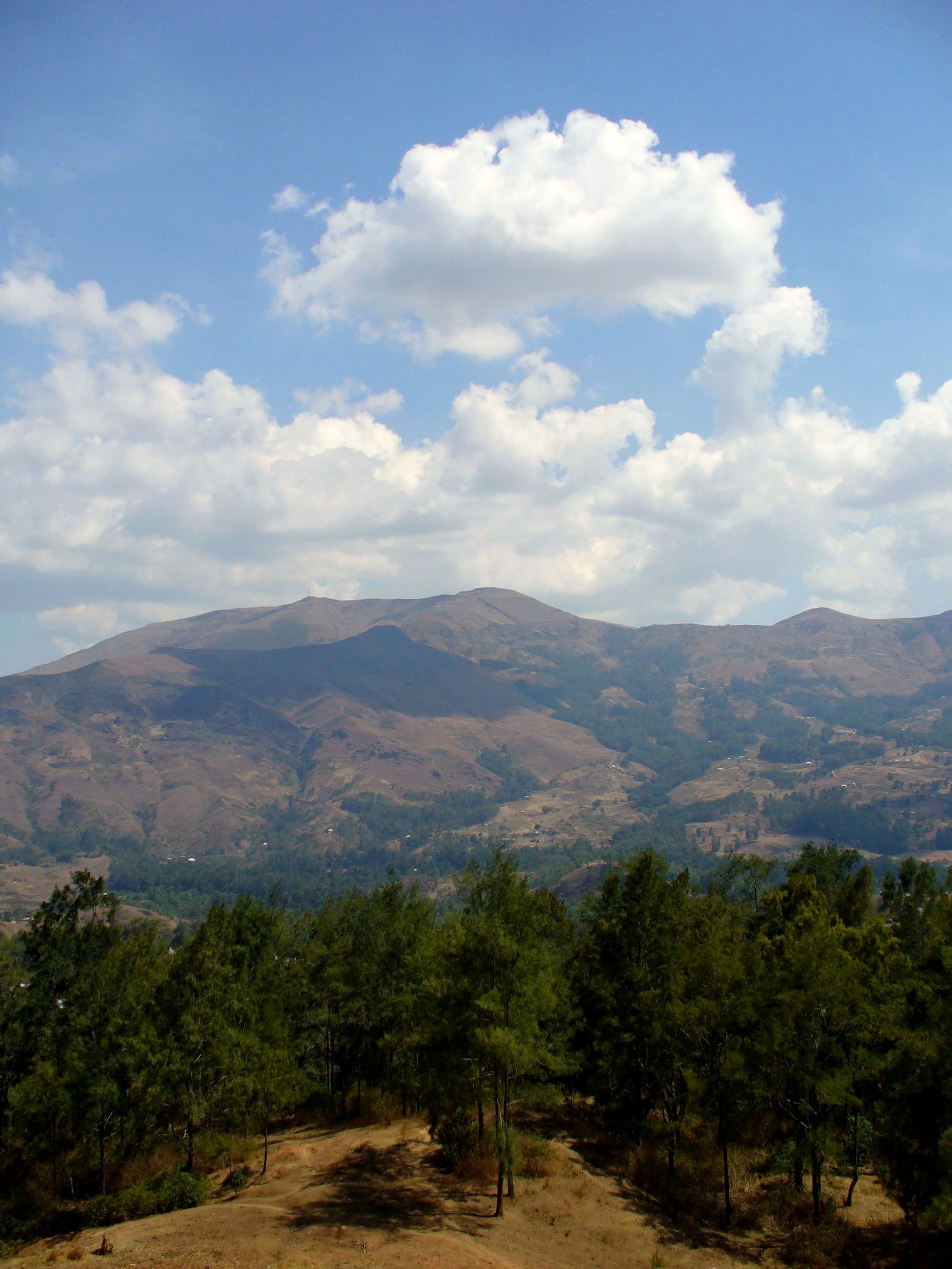
Maubisse, a cool mountain town about 70 kilometres south of Dili, sits in Timor-Leste's highlands, where coffee, introduced by the Portuguese in the 19th century, remains the country's largest non-oil export. Its cooler climate and dramatic terraced hillsides offer a welcome contrast to the tropical coast.
6. Maubara Fort
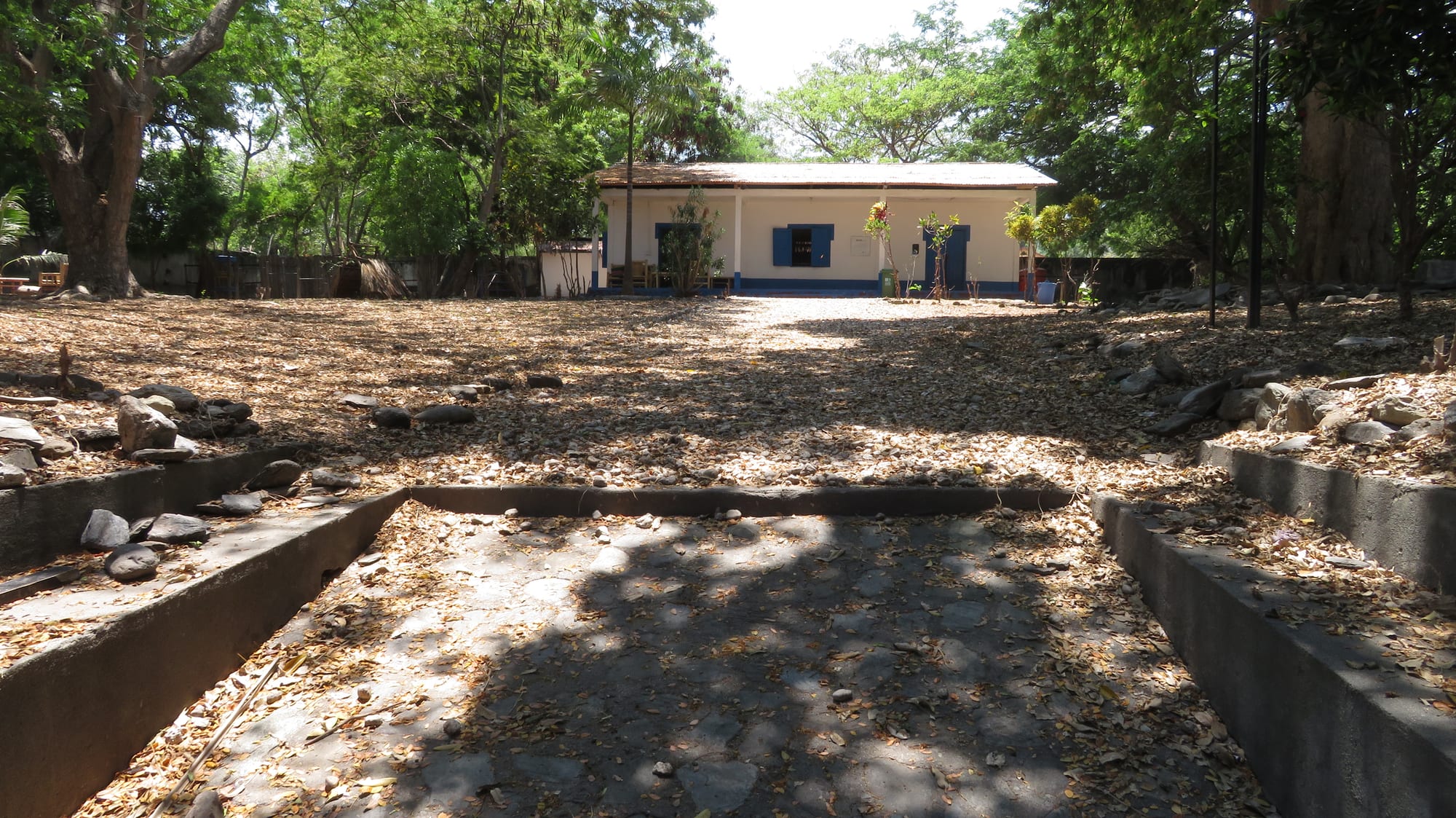
Maubara Fort, on the coast west of Dili, was built by the Dutch around 1756, still holds its original cannon, and now sits quietly at the entrance to Maubara village, its weathered walls a low-key reminder of the island's layered colonial history.
Timor-Leste suits a week combining Dili, a highland excursion to Maubisse and Mount Ramelau, and a few days on Atauro Island for those interested in diving — infrastructure remains basic outside the capital, so a degree of flexibility helps.