Food · Timor-Leste
Timor-Leste: Food and the National Dish
Tamarind-marinated fish with corn and beans, from a young nation whose mountain-grown coffee has become its most recognised export
By Worldlore Editorial · 30 September 2026
A young nation with a genuinely mountain-grown food story
Timor-Leste, one of the world's youngest nations, having become independent in 2002, builds its everyday food around what its mountainous terrain and surrounding waters actually provide, rice, corn, fish and a coffee crop that has become the country's most recognised agricultural export.
The national dish: ikan sabuko with batar daan
Ikan sabuko, Spanish mackerel in a tamarind marinade with basil and capsicum, served with batar daan, a dish of corn, mung beans and pumpkin, alongside rice and budu, a fresh tomato-and-lime sauce, is often described as Timor-Leste's national dish. Genuinely built from the country's own staples, corn from its mountain farms and fish from its surrounding coastal waters, the combination reflects Timorese home cooking more directly than any single imported or elaborate dish.
Corn, fish and a genuinely mountain-and-coast pantry
Rice is the primary staple, with corn, sweet potatoes, cassava and taro grown across Timor-Leste's interior and fish caught along its coastline, alongside a range of beans and pumpkin; most homes also raise their own pigs, goats or poultry. Coffee, grown at altitude in the country's central highlands, rounds out a pantry shaped by both mountain farming and coastal fishing traditions.
History behind the harvest
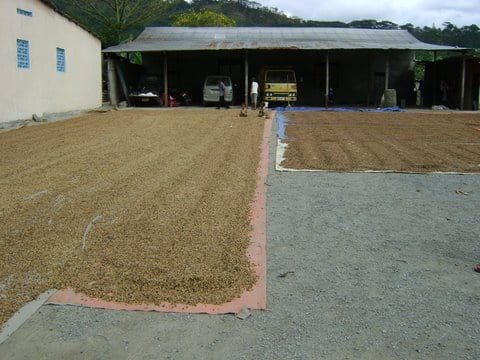
Corn has long been a staple crop across Timor-Leste's mountainous terrain, grown alongside rice and root crops that depend on the rains after the annual dry season. Coffee was introduced by the Portuguese in the early 19th century and is now the country's largest non-oil export, grown by roughly a third of Timorese households, with the largely organic highland crop increasingly sought by specialty roasters abroad.
Dishes to know
Five more to recognise across Timor-Leste:
- Budu — a fresh sauce of tomato, mint, lime and onion, served
alongside fish and rice.
- Caril — a mild chicken curry made with a roasted capsicum and
coconut paste.
- Feijoada — a stew of pork, beans and chorizo shared with other
former Portuguese colonies.
- Tapai — fermented rice that is sweet, sour and slightly alcoholic.
- Bibingka — a grilled, layered coconut cake.
Drinks
Timorese coffee, grown at altitude and increasingly recognised for its quality, is the country's most notable drink and export. Tua mutin, a traditional palm wine, tua sabu, a spirit distilled from it, and fresh coconut water are also commonly enjoyed.
Eating as a traveller
Vegetarians will find corn, bean and vegetable-based dishes like batar daan manageable, though fish is central to most everyday coastal cooking. Tap water is not safe to drink; bottled water is the safer default. Trying ikan sabuko with batar daan at a local eatery in Dili offers a genuine taste of Timor-Leste's everyday national dish.
What to take from the table
Ikan sabuko with batar daan, built from mountain corn and coastal fish, is the dish that most honestly represents Timor-Leste's food story: a young nation eating directly from its own highlands and waters.