Culture & Customs · Timor-Leste
Timor-Leste: The Sacred and the Woven
A devoutly Catholic nation that still honours its ancestors and sacred houses, where customary law is hung from a wooden post and a handwoven cloth marks every turning point of life
By Globeway Editorial · 30 September 2026
A guest arrives at a village house in Timor-Leste. Shoes come off before stepping inside, and the newcomer goes round the room greeting each person in turn. Coffee or tea appears, with something small to eat, and it would be impolite to turn it away, though no one minds if the cup is not finished. On a special occasion, a length of tais, the handwoven cloth of the island, may be draped around the visitor's neck, one of the highest compliments a Timorese family can pay. Nobody hurries. The visit lasts as long as the conversation does, and ending it abruptly would say more than any words. In that unhurried welcome sit the things that matter most here: faith, family, respect for elders, and a sense that some things, and some places, are sacred.
Faith, identity and values
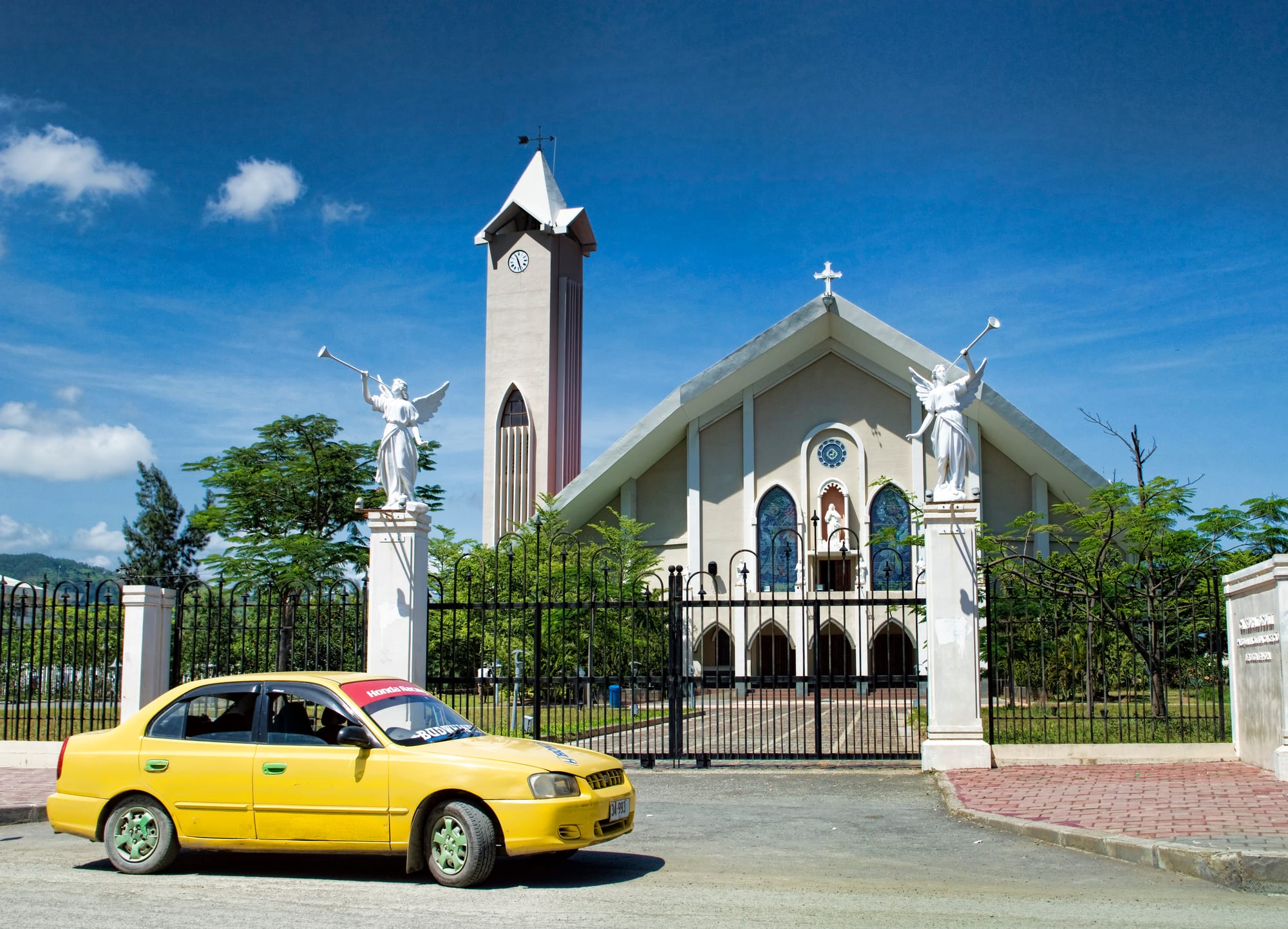
Timor-Leste is one of the most Catholic countries in the world, with around 97 per cent of the population identifying as Roman Catholic and small Protestant and Muslim minorities. The share was far lower in 1975, about a fifth of the population, and rose to around nine in ten during the Indonesian occupation, when clergy spoke up for human rights and the Church became a refuge and a voice for the Timorese. The constitution guarantees freedom of religion and names no state faith, yet the Church remains woven into public life, present at government ceremonies and in the calendar of national holidays.
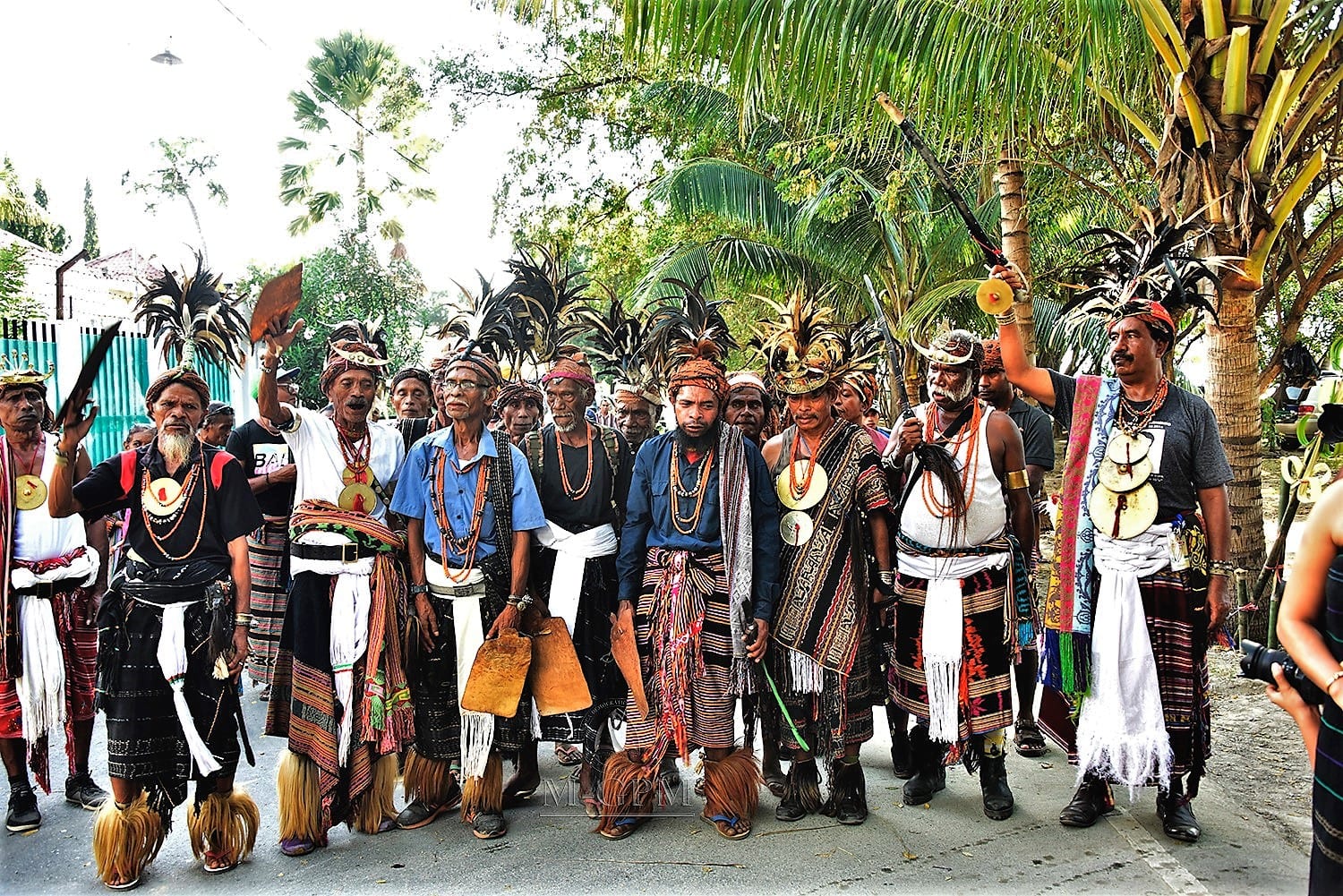
Catholicism did not replace older beliefs so much as settle alongside them. Central to Timorese thought is lulik, the sacred, and lisan, the body of custom and ritual through which people keep a proper relationship with it. Communities honour the spirits of the land, known as rai-nain, and the ancestors, the matebian, who are believed to remain close to the living and can bring misfortune if they are neglected. The sacred house of each clan is where many of these rituals are performed, where disputes can be settled, and where the stories and heirlooms of the ancestors are kept.
Customary law is still a working force. Tara bandu is a traditional custom in which a community agrees, in a public ceremony, to ban certain activities in its area, from cutting particular trees to fishing with poison or explosives, and sometimes also harmful behaviour between neighbours. Items symbolic of the ban, such as the leaves of a protected tree or the skull or bones of an animal sacrificed at the ceremony, are hung from a wooden post for all to see, and anyone who breaks the rule faces a fine or a penalty in livestock. Such bans were used under both Portuguese and Indonesian rule, and since independence many communities have revived them to protect their forests and reefs.
Family sits at the centre of social life, and the extended family is the norm. Close friends and older acquaintances are often addressed with kinship words such as maun, older brother, or tia, aunt. Respect for elders runs through behaviour, and communication tends to be indirect: a flat refusal is often avoided in favour of an ambiguous reply, silence is read as thoughtfulness, and raising the voice in public is considered rude.
Greetings and meeting people
The handshake is the most common greeting, made with the right hand, often while keeping steady eye contact, which is taken as a sign of respect. Women usually greet one another with a kiss on each cheek, or a brush of the cheeks and a kiss in the air, and a man and a woman who know each other well may do the same. Friends may add a hug or a pat on the back. Children show respect to an elderly relative by kissing the back of the older person's hand.
In a group, the person arriving greets everyone present, and the person leaving says goodbye to each in turn. Friends, teenagers and children are called by their first names, while older or unfamiliar adults are addressed with a title, Senhor or Senhora, followed by their surname or first name. Greetings may be in Portuguese, such as bom dia for good morning, or in Tetum, the everyday national language: dadeer di'ak for good morning, loron di'ak for good day and kalan di'ak for good evening. The usual inquiry after someone's health, di'ak ka lai?, means literally "good or not?", and neighbours passing on the road often simply ask where the other is going.
Physical affection between people of the same sex is common, and friends may hold hands or walk with an arm around each other's shoulders. Between men and women it is rarer, and even married couples seldom hold hands in public. Pointing directly at a person is considered rude, and beckoning is done with the palm facing up and the fingers waving inward, not with a single crooked finger. Raised eyebrows can signal yes. When referring to the country, Timor-Leste is the preferred name, while "East Timorese" is widely used for the people and their culture.
Hospitality and being a guest
Visits between friends and relatives are often made without warning, and hosts are expected to offer refreshments to anyone who calls. Declining altogether can seem like a rejection of the family's hospitality, but it is fine to accept a drink or a snack and leave some of it. Betel nut may also be offered, and this can be politely refused. Sincere compliments about the home or the welcome are appreciated. Shoes are usually removed before entering a room, and hats and caps come off on entering a church.
Time is treated flexibly in social life, and punctuality is rarely a concern outside business appointments. What matters more is not appearing to hurry: rushing through a visit, or cutting a conversation short, can come across as disrespectful.
At a shared meal, people commonly pray together before eating. Guests are usually invited to help themselves and start first, and the host eats last as a mark of respect. Meals are generally eaten with a spoon in the right hand and a fork in the left, though in rural homes people may sit on the floor and eat with their hands.
Gifts are given for particular occasions, such as birthdays, weddings, Christmas and New Year, and are handed over with the right hand or with both hands. Food and handicrafts are common choices. The most meaningful gift of all is tais, which may be placed around the recipient's neck, and objects in general are passed with the right hand or both hands rather than the left alone.
Festivals and life's big moments
The Catholic calendar shapes the year. Easter brings processions, each parish marks the feast of its patron saint, and Christmas is celebrated across the country. All Souls' Day on 2 November, a public holiday, is one of the most important days of all: families clean and repair the graves of their relatives in the days beforehand, and on the day cemeteries fill with people bringing flowers and candles and praying for the dead. National days recalling the struggle for independence are also marked with public ceremony.
Marriage joins not only two people but two families, and customary ceremonies are guided by a lia-na'in, literally a "master of words", who knows the customs of the house and negotiates between the two sides. The exchanges that seal the union are known as barlake. Traditionally the family receiving the bride gives valuable goods such as water buffalo, gold or money, while the bride's family reciprocates with pigs, rice and tais, creating a lasting alliance with obligations that continue at later family events, including funerals. Barlake is often loosely translated as "bride price", and its effect on women's status is debated within Timor-Leste today. A customary ceremony is often followed, months or even years later, by a church wedding and a reception.
Death brings the customary and the Catholic together. The body is usually buried within a few days, and until then it lies in a coffin in the family home or the clan's sacred house while relatives keep vigil around the clock, grieving, burning candles, speaking the name of the deceased and praying. Tais is given to accompany the body by particular relatives, according to the custom of each house, animals may be killed and shared among the clan, and a priest or catechist offers prayers and a blessing. Mourners wear black, from a small patch pinned to the clothes or a black band around the wrist to entirely black clothing for those who have lost a parent. About a year after the death, the kore metan ceremony, literally "untying the black", brings the formal mourning to an end, and the black clothes are burnt. Families continue to visit the grave, scattering flower petals and lighting candles.
Arts, crafts and music
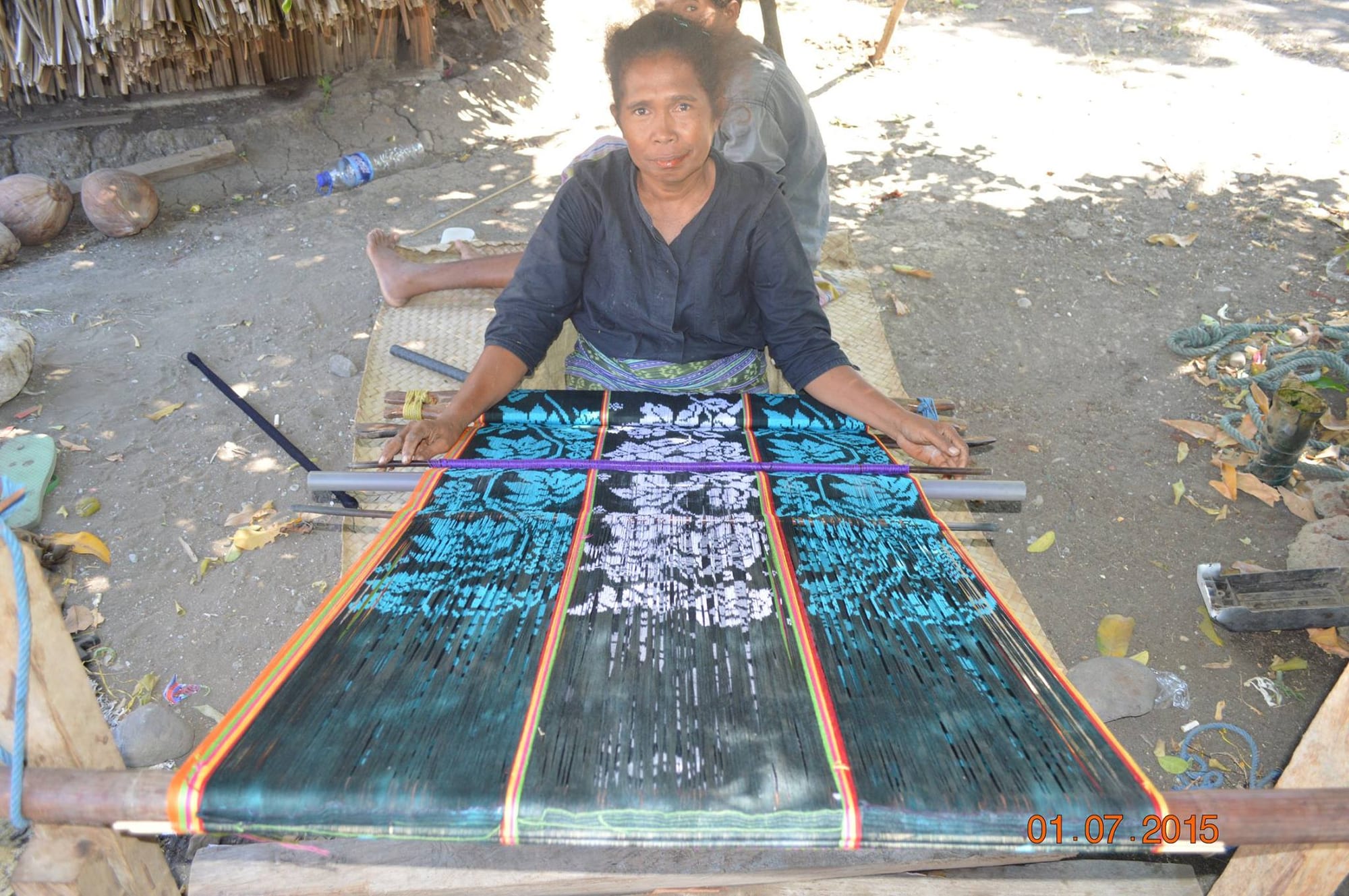
Tais is the most visible of all Timorese art forms. Women weave it, passing the skill from mother to daughter, while men may help to gather the plants used for dyes and to build the equipment. The cotton is prepared, coloured with natural dyes and woven by hand on simple looms, and each part of the country has its own patterns and colours, so that a cloth can signal where its wearer comes from. Tais is worn as traditional dress for both men and women, used to welcome newborns, exchanged at weddings and funerals, and given between women as a mark of respect or as a sign of apology. Since 2021 it has been on UNESCO's list of intangible heritage in need of urgent safeguarding, because younger people increasingly prefer modern clothing, factory cloth is replacing handmade textiles, weavers earn too little from their work, and the number of people who practise the craft is falling fast.
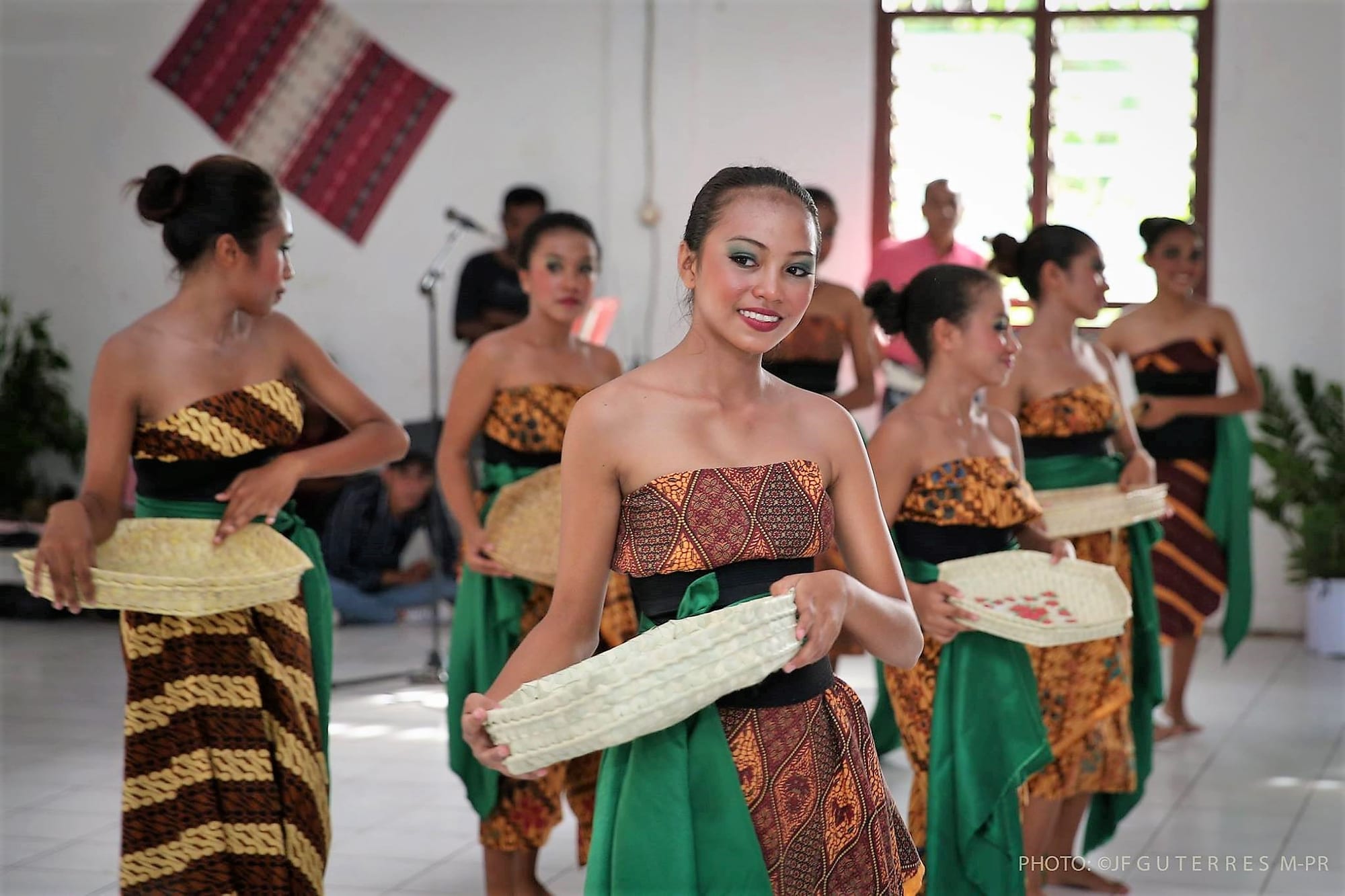
Music and dance are inseparable from ceremony. Tebe is a line or circle dance in which participants hold hands and move together with grounded, synchronised steps. One ancestral form, Tebe Otas-Uluk, places the men in an inner circle and the women in an outer one, chanting songs in their own language while drums and gongs keep time. It is performed at the building of a sacred house, at harvests, at religious and national celebrations, and at rites of healing or thanksgiving, and is understood as a kind of prayer in motion that links the living to their ancestors. The babadok, a small wooden hand drum, is one of the most recognisable Timorese instruments and sets the rhythm at many ceremonies and dances.
Oral storytelling also remains a vital part of community life, and the songs that accompany the dances carry knowledge and history from one generation to the next.
Dos and don'ts for visitors
- Do greet everyone present when arriving and say goodbye to each person when leaving; a few words of Tetum are warmly received.
- Do accept the drink or snack a host offers, even if only a little is taken; refusing outright can seem to reject the family's hospitality.
- Do remove shoes where others do before entering a room, and take off hats and caps on entering a church.
- Do give, receive and pass objects with the right hand or with both hands.
- Do respect tara bandu markers; posts hung with leaves, animal bones or cloth mark a customary ban on cutting, fishing or other activity in that area.
- Don't point directly at people or beckon with a single finger; wave the fingers inward with the palm facing up.
- Don't raise the voice or shout in public, and don't rush through a visit or cut a conversation short.
What to take away
In Timor-Leste the church and the sacred house stand side by side, and visitors who move at the local pace, greet everyone and accept what is offered will find that same patient courtesy returned many times over.