History · Yemen
Yemen: Arabia Felix and the Broken State
The fertile corner of Arabia the Romans called "the happy land" — home of the incense kingdoms and the Queen of Sheba, split into a northern imamate and a British colony at Aden, unified in 1990, and since 2014 the scene of a devastating war and humanitarian catastrophe
By Worldlore Editorial · 30 September 2026
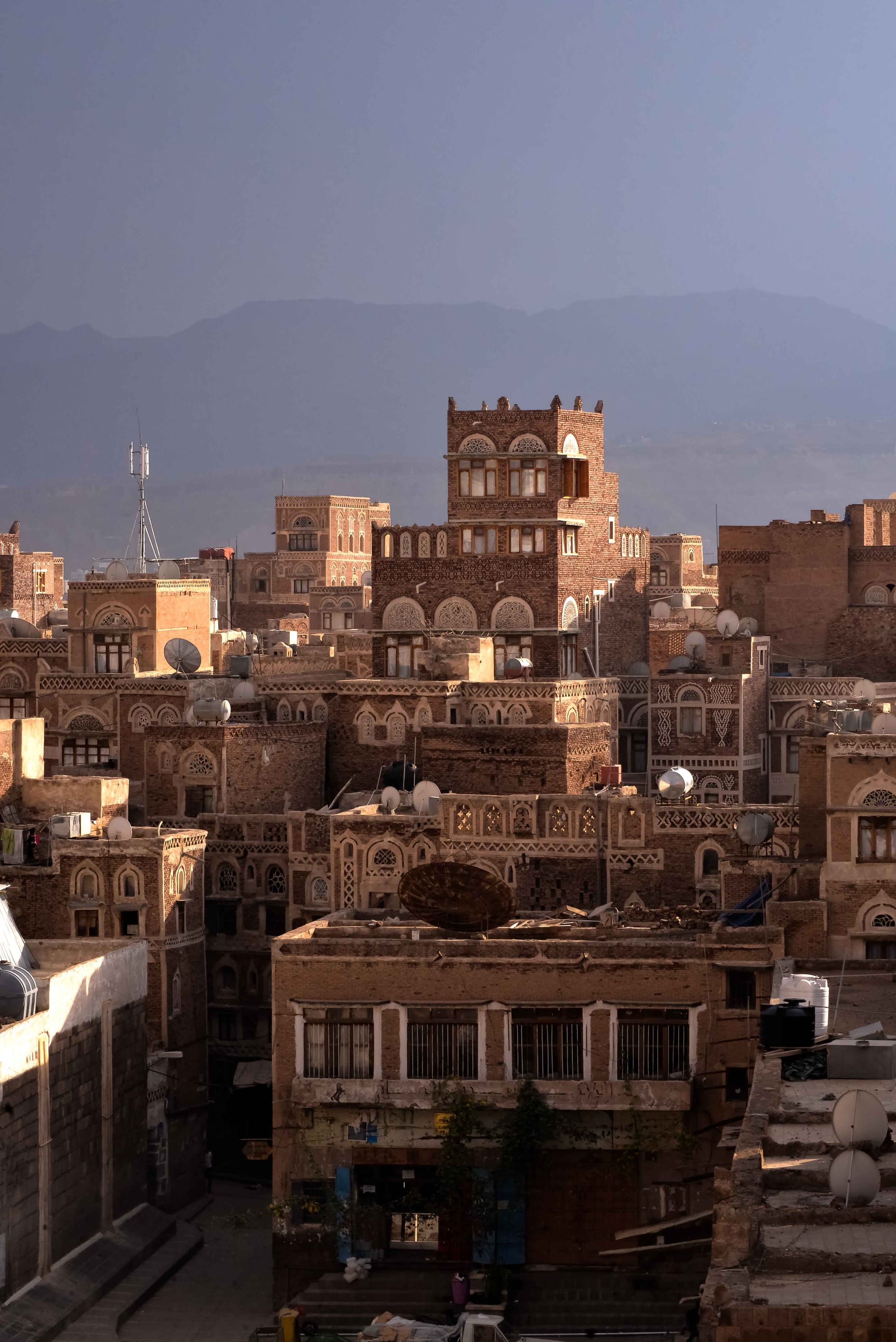
The other Arabia
Yemen occupies the mountainous south-western corner of the Arabian Peninsula, where the highlands catch monsoon rain that the rest of Arabia lacks — the reason the Romans called it "Arabia Felix", the fortunate or happy Arabia. It has about 35 million people, an ancient civilisation, and, in Sanaa, a capital whose old city has been inhabited for more than 2,500 years. It is also, by most measures, the poorest country in the Arab world, and since 2014 it has been the site of a war that the UN has repeatedly called the world's worst humanitarian crisis.
A short history
- c. 1000 BCE–570 CE
The incense kingdoms
Saba, Ma'in, Qataban and Himyar grow rich on the frankincense trade.
- c. 630 CE
Islam
Yemen adopts Islam during the Prophet's lifetime.
- 897
The Zaydi imamate
A Shia imamate is founded in the northern highlands; it lasts, on and off, over 1,000 years.
- 1839
The British take Aden
Aden becomes a coaling station and, later, a major port and colony.
- 1918
North Yemen independent
The imamate emerges from Ottoman rule as a sovereign kingdom.
- 1962
The north's revolution
Republicans overthrow the imam; a long civil war follows.
- 1967
The south's independence
Britain leaves; the south becomes independent, and soon a Marxist state.
- 1990
Unification
North and South Yemen merge into the Republic of Yemen.
- 2011–2012
The Arab Spring
President Saleh is forced out after 33 years.
- 2014–
The war
The Houthis seize Sanaa; a Saudi-led coalition intervenes.
The incense kingdoms and Islam
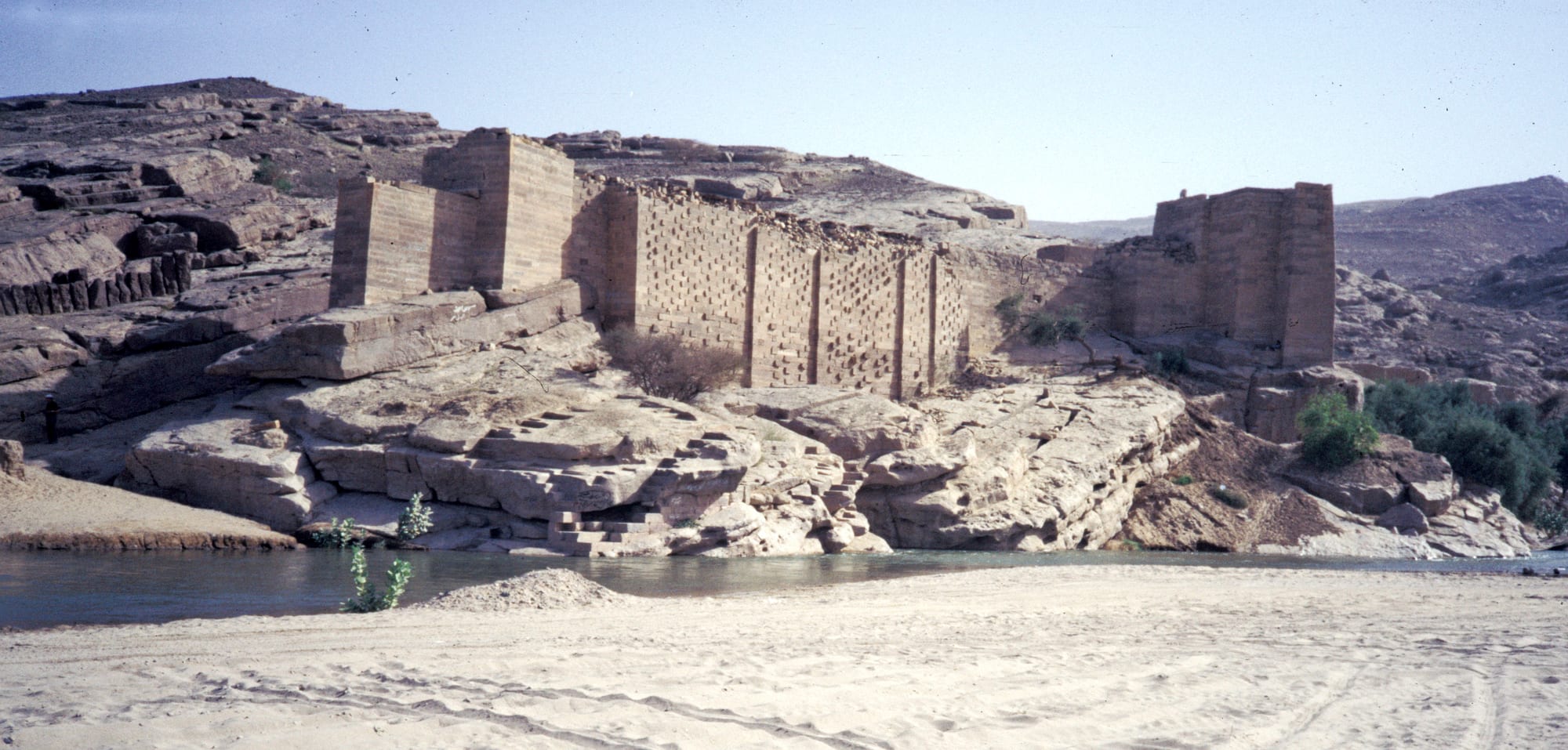
Ancient Yemen was one of the wealthiest regions of the pre-Islamic world, home to a succession of kingdoms — Saba (the Biblical Sheba), Ma'in, Qataban, Hadramawt and finally Himyar — that controlled the overland trade in frankincense and myrrh, resins produced mainly in southern Arabia and the Horn of Africa and valued across the ancient Mediterranean. The Great Dam of Marib, built around the 8th century BCE, irrigated a large agricultural oasis for over a thousand years; a catastrophic flood from the dam is remembered in the Quran, and its final collapse in the 6th century CE marks the end of the old order. Yemen accepted Islam early, and in 897 a scholar of the Zaydi branch of Shia Islam founded an imamate in the northern highlands around Saada that would shape the north's politics for the next millennium.
Two Yemens
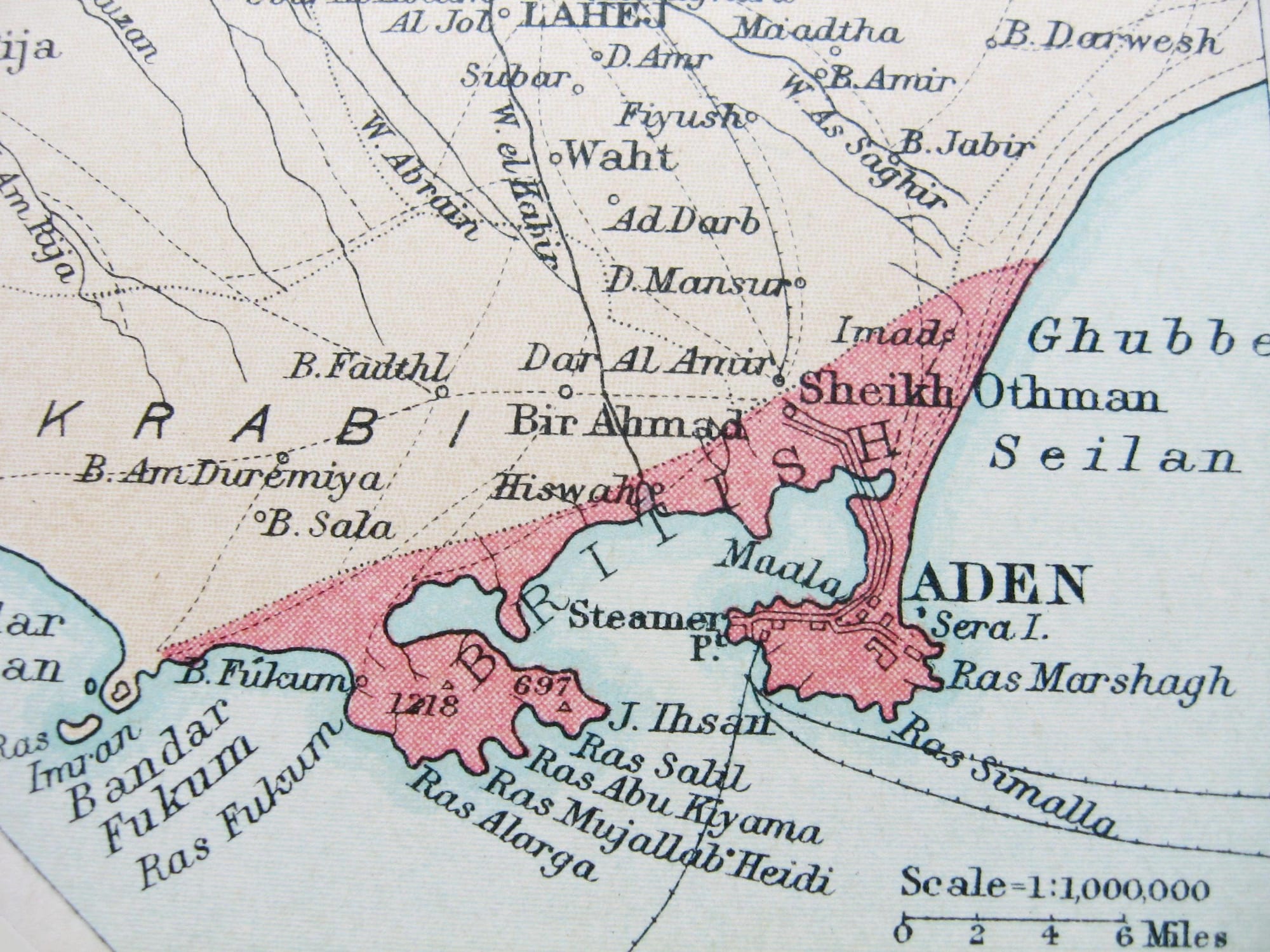
For centuries the north was contested between the Zaydi imams and outside powers — the Ottomans held parts of it in two long spells. When the Ottomans left after the First World War, the imamate became an independent, deliberately isolated kingdom. The south took a completely different path: Britain seized the port of Aden in 1839 as a coaling stop on the route to India, developed it into one of the busiest harbours in the world, and gradually extended protectorate treaties over the tribal hinterland. Two revolutions in the 1960s created two states. In 1962 republican officers, backed by Egypt, overthrew the newly installed imam in Sanaa, triggering an eight-year civil war (with Saudi Arabia backing the royalists) that ended in 1970 with the republic in place. In 1967, after an armed insurgency, Britain withdrew from Aden, and the south became independent under the National Liberation Front, whose Marxist wing went on to establish the People's Democratic Republic of Yemen — the only communist state in the Arab world.
Unification and its unravelling
The two Yemens, ideologically opposed and periodically at war, nonetheless shared a language, a history and a sense of common nationhood, and as the Cold War ended they merged on 22 May 1990 into the Republic of Yemen, with Ali Abdullah Saleh — the northern president since 1978 — leading the unified state. Tensions between the former north and south erupted into a short civil war in 1994, won by the north. Saleh's rule was a system of patronage and shifting tribal alliances over a poor, heavily armed, water-scarce country; a Zaydi revivalist movement, the Houthis (Ansar Allah), fought a series of wars with the government in the northern highlands between 2004 and 2010. In 2011 mass Arab Spring protests and elite defections forced Saleh to agree to hand power to his deputy, Abdrabbuh Mansour Hadi, under a Gulf-brokered deal; he left office in early 2012.
The war since 2014
The transition failed. In September 2014 the Houthis, allied with their former enemy Saleh, seized Sanaa and then pushed south, forcing Hadi to flee. In March 2015 a coalition led by Saudi Arabia and the UAE intervened with airpower and a naval blockade to restore Hadi's government, while Iran backed the Houthis, including with smuggled weapons. The war settled into stalemate: the Houthis hold the populous north-west including Sanaa; the internationally recognised government and a southern separatist movement (the STC) held much of the south and east, often at odds with each other, until government forces took back most of the STC's territory in early 2026. Saleh was killed by the Houthis in 2017 after switching sides again. The humanitarian toll has been enormous — the UN counts more than 150,000 killed in the fighting and more than 227,000 further deaths from famine and the lack of healthcare, a cholera outbreak that has affected more than a million people, and most of the population in need of aid. A UN-brokered truce in 2022 brought roughly four years of relative calm inside Yemen, while the Houthis' attacks on Red Sea shipping from 2023 drew US and UK strikes and widened the conflict. The attacks halted in 2025 and resumed in 2026 during the US–Israeli war with Iran; fighting inside Yemen restarted, and in September 2026 a Houthi offensive along the Red Sea coast for control of the Bab al-Mandab strait opened a new front.
What Yemen carries
Yemen was the rich corner of Arabia in antiquity and has been one of its poorest and most fragmented regions in modern times. Its 20th-century division into a highland imamate and a British port colony, and the very different states those produced, were only nominally overcome by the 1990 unification; the north–south fault line, the Zaydi highlands, the tribes and the water crisis were all still there. The war since 2014 has taken those unresolved divisions and, with regional powers pouring in arms, turned them into one of the worst catastrophes of the century.