Food · Yemen
Yemen: Food and the National Dish
Rice cooked beneath roasting meat in an underground pit, an ancient technique still used across the country today
By Worldlore Editorial · 30 September 2026
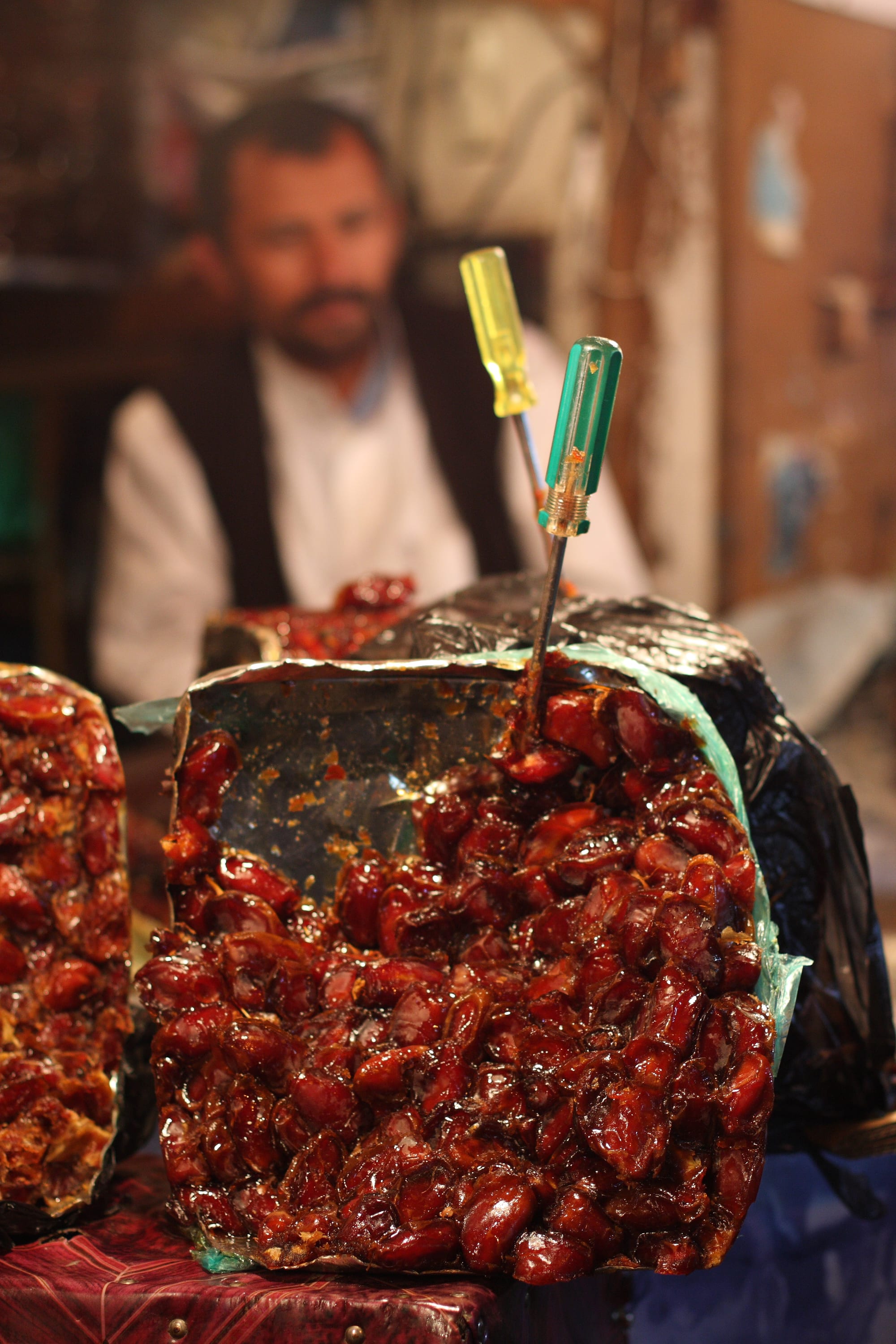
A cuisine shaped by an ancient underground cooking method
Yemeni food carries deep roots in the Arabian Peninsula's cooking traditions, and its best-known dish abroad is built around a pit technique, cooking rice in spiced stock beneath meat sealed in a clay oven.
The national dish: saltah, and the famous mandi
Saltah, a brown meat stew (maraq) topped with a dollop of frothy fenugreek and served with sahawiq, a ground chilli, tomato and garlic relish, is considered Yemen's national dish, eaten mainly at lunch and scooped up with flatbread. The dish most strongly associated with Yemen abroad, though, is mandi: meat, usually lamb or chicken, boiled with spices and then suspended inside a tannour, a clay oven set in a pit, above rice cooking in the spiced stock, with the oven sealed for hours. Mandi spread from Yemen across the Arabian Peninsula and far beyond, from Egypt to southern India.
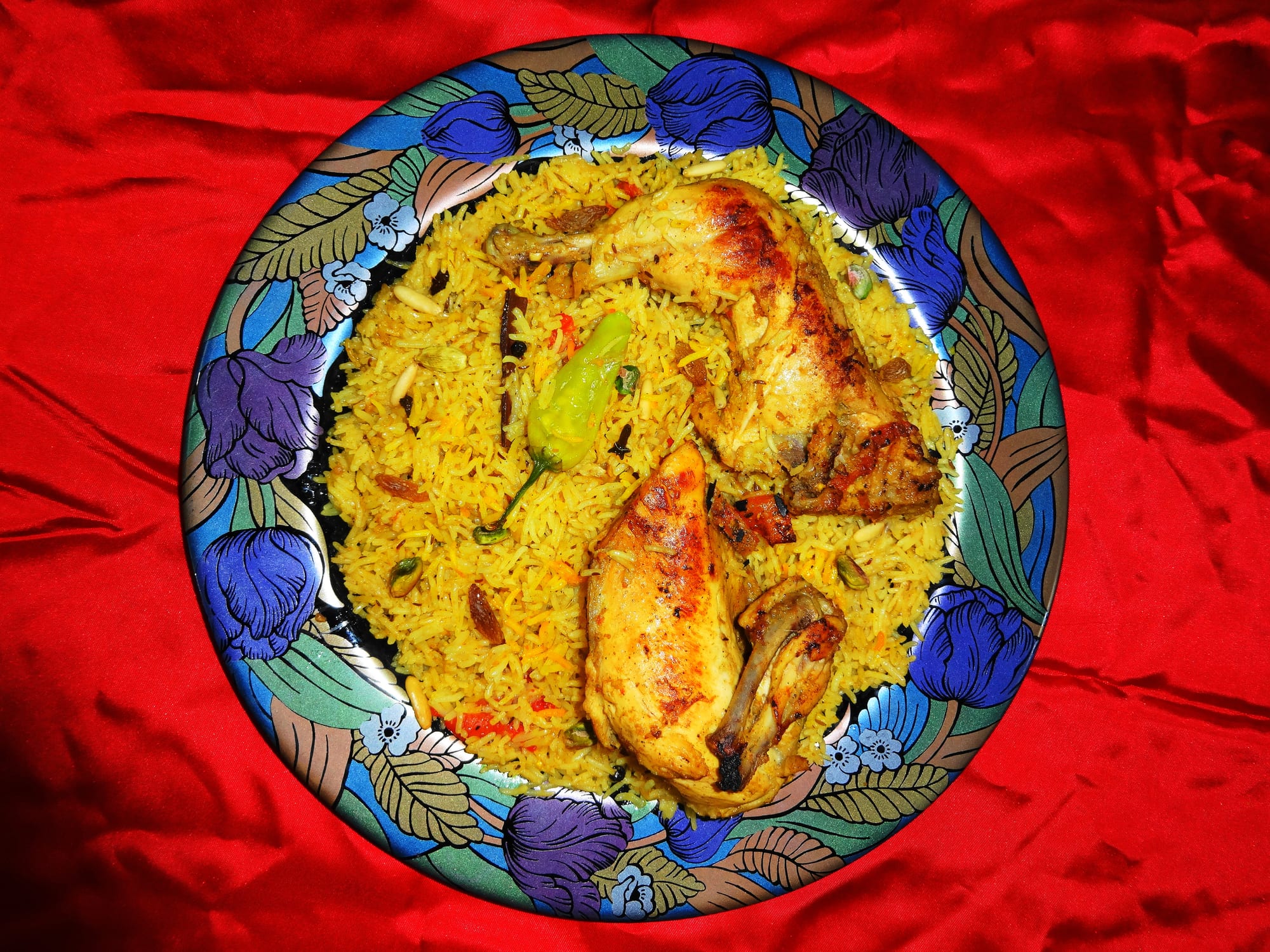
Rice, lamb and a genuinely spice-forward pantry
Rice, lamb and a spice base including cardamom, cumin and saffron anchor much of Yemeni cooking, alongside coffee, which as a drink has its roots in Yemen. Flatbread and locally produced honey, prized as a delicacy and even a status symbol, round out a pantry shaped by the country's position along historic Red Sea and Arabian Peninsula trade routes.
History behind the pit
Pit cooking of meat is old across the Arabian Peninsula and the wider Arab world, and mandi's sealed clay-oven method remains prized for the way it lets the spiced stock and meat flavour the rice beneath it. Yemen's port of Mocha (Mokha), meanwhile, gave its name to Mocha coffee, and until the end of the 17th century it was the world's main gateway for coffee, before cultivation spread elsewhere.
Dishes to know
Five more to recognise across Yemen:
- Fahsa — a stew of lamb cutlets in lamb broth.
- Haneeth — lamb slow-roasted in a tannour with a spice rub, usually
served on rice.
- Zurbian — rice with chicken or lamb, potatoes and saffron, nicknamed
the Yemeni biryani and descended from Hyderabadi biryani.
- Shafut — flatbread (lahoh) soaked in buttermilk or yoghurt with
zhug and leek, served cold.
- Bint al-sahn — a layered pastry served with honey and melted ghee,
one of the most popular Yemeni dishes.
Drinks
Coffee, reflecting Yemen's genuine historical role in the crop's early trade, remains a significant national drink, especially in Sana'a, and is often spiced with ginger. Qishr, a drink made from spiced coffee husks and ginger rather than the beans themselves, is a distinct Yemeni tradition, and black tea, the drink of choice in Aden and Hadhramaut, is widely consumed. Alcohol is considered improper for cultural and religious reasons.
Eating as a traveller
Halal food is the default across Yemen, and vegetarians will find rice and vegetable-based dishes more limited given meat's central role in mandi and most traditional cooking. Most governments advise against all travel to Yemen, where fighting resumed in July 2026; bottled water is the sensible default in a country facing severe water shortages. Trying mandi cooked in the traditional underground pit style, where available, offers a genuine taste of the technique behind the dish.
What to take from the table
Saltah at the everyday lunch table and mandi, sealed in its pit oven for hours, together reflect Yemen's food story: patient, communal cooking with deep roots in the region.