💰 Budget
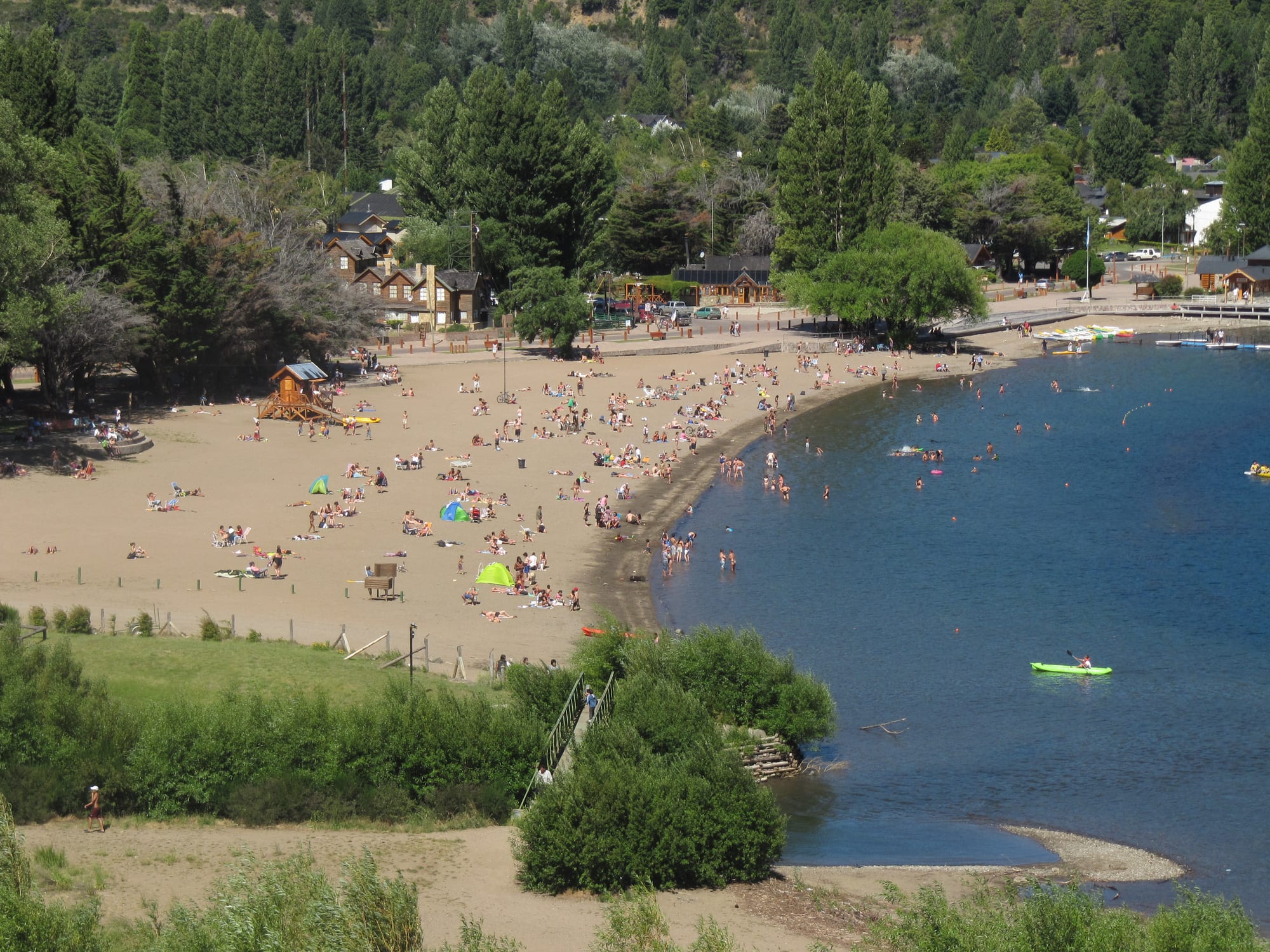
San Martín is a resort and is priced like one, though it is a little cheaper than Bariloche. Prices peak in the ski season and in January and February, when rooms are scarce. Lift passes at Chapelco, boat trips and car hire are the biggest extra costs; the beach and lakefront are free.
- Daily Budget Midrange
- USD 120–230 (cabin or hotel, restaurant dinners, a boat trip or a hire car)
- Daily Budget Shoestring
- USD 45–80 (hostel bed or campsite, self-catering, local buses)
Book well ahead for the July winter holidays and for January; a hire car makes the lakes and the Seven Lakes road far easier to see.
📅 Best Time to Visit
December to March brings warm, sunny days for the lake beaches, walking, fishing and the Seven Lakes road. Winter, roughly July to September, is ski season at Chapelco. Autumn is cool and quiet, with changing colours in the forests, and spring brings longer days and rising temperatures.
⏳ Suggested Number of Days
Two or three days are enough for the town and the lake. Allow four to six to add the national park, the volcano country to the north and the road south through the lakes. Skiers usually stay a week or more.
- First Visit
- 2–3 days
- With Surroundings
- 4–6 days
🚆 Transportation
The town centre is small and walkable. Local buses serve the neighbourhoods and the airport, and in winter run to Chapelco; boats cross the lake from the pier. Most of the lakes, the national park and the Seven Lakes road are best reached by hire car or tour.
Mountain roads can be snowy or icy in winter; check conditions on Route 40 and the pass roads before setting out.
🛬 Airport & Station Connections
Aviador Carlos Campos Airport, also called Chapelco Airport, lies about 22 km from the town and serves both San Martín and Junín de los Andes, with flights from Buenos Aires. The bus terminal has long- and medium-distance services to the rest of Argentina and to Chile, and Route 40 links the town with Junín to the north and, by the Road of the Seven Lakes, with Villa La Angostura and Bariloche to the south.
🚶 Walkability
The centre and the lakefront are compact, flat and easy to walk. The town sits in a valley, so viewpoints above it involve steep climbs, and everything beyond the edge of town needs a car, bus or boat.
🛡️ Safety
Argentina is relatively safe by regional standards, and violent crime against visitors is uncommon. San Martín is a quiet resort town. The main risks are natural: cold, storms and snow in the mountains, cold lake water, and icy or gravel roads.
Register longer walks or climbs with park rangers where required, carry warm layers even in summer, and check road and weather conditions before driving. Check current official travel advice before travelling.
🌦️ Climate
A cool climate between Mediterranean and oceanic, sheltered somewhat by the Andes. Summers, December to February, are dry and sunny with chilly nights; winters bring storms of rain and snow. Frost has occurred even in summer.
- Summer
- warm, very sunny days with cool nights — daytime temperatures range from about 9°C to 34°C, with little wind or rain
- Winter
- cold, with temperatures from about −5°C to 10°C and storms bringing rain and snow
🤝 Local Customs
The town has a strong sense of its mountain-village style, and building rules aim to keep architecture in harmony with the setting. Mapuche communities live in and around the national park; their lands and ceremonies should be visited only with permission. Greetings among friends are a kiss on the cheek, and dinner starts late.
Tipping around 10 per cent in restaurants is customary. Follow national park rules on fires, camping and fishing permits.
💳 Common Payment Methods
The currency is the Argentine peso. Cards are widely accepted in hotels, restaurants and shops, and ATMs are found in the centre. Some cash is useful for buses, small shops and boat trips, and prices in pesos change often with inflation.