💰 Budget
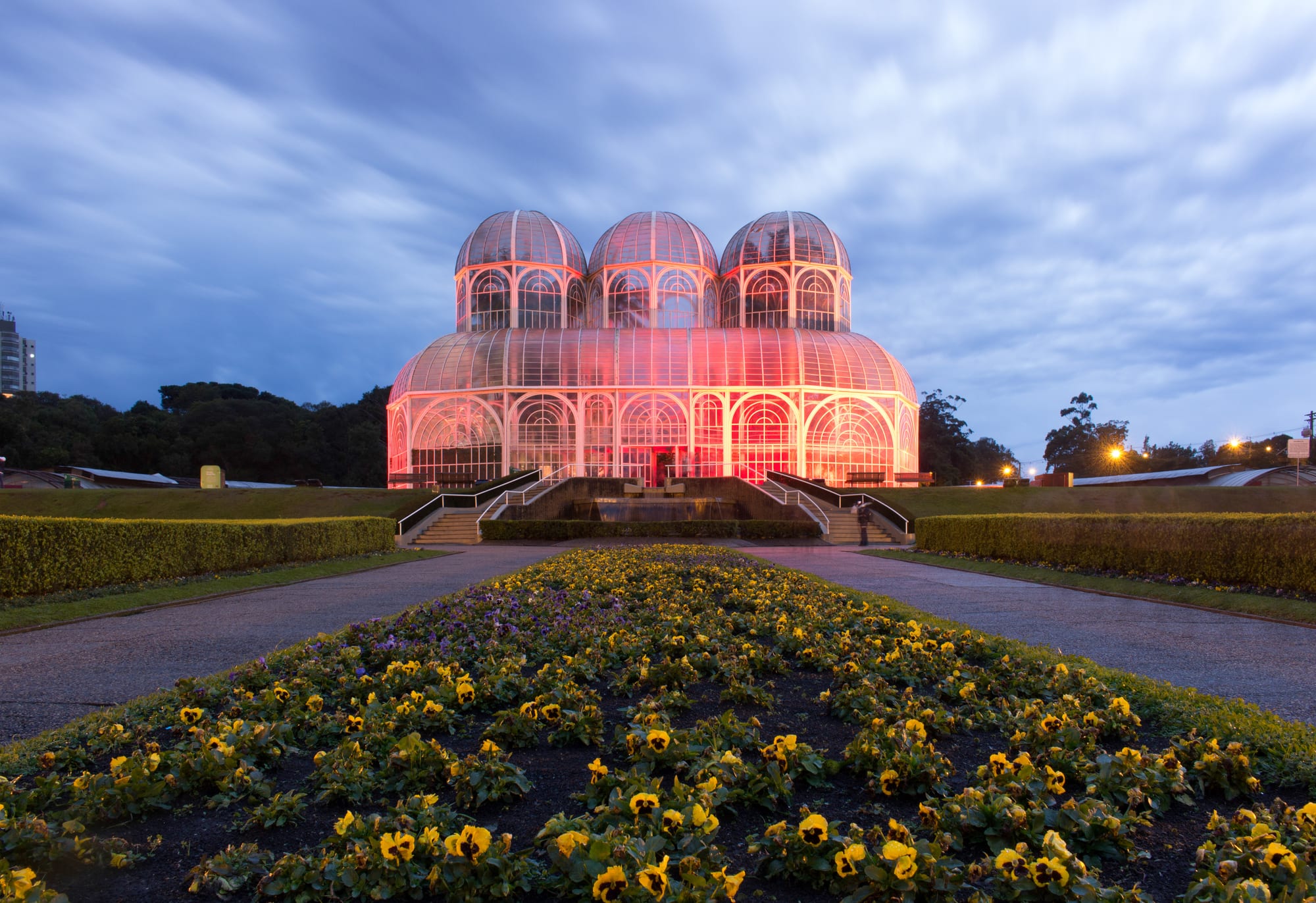
Curitiba is good value for a large Brazilian city. Business hotels often cut prices at weekends, buffet lunches are cheap, and many of the main sights — the parks, the Botanical Garden and the Sunday fair — are free. The tourist train to Morretes and the Niemeyer museum are the main paid extras.
- Daily Budget Midrange
- USD 90–160 (mid-range hotel, restaurant dinners, the tourist bus and train, app rides)
- Daily Budget Shoestring
- USD 35–55 (hostel, buffet lunches, city buses)
Book the train to Morretes in advance for weekends and holidays, and return by bus to save time.
📅 Best Time to Visit
Spring (September to November) and autumn (March to May) are mild and pleasant. Summer is warm, with frequent storms; winter is cool and damp, with frosty nights, but often bright days. The theatre festival fills the city in late March and April, and the yellow and purple ipê trees flower at the end of winter.
⏳ Suggested Number of Days
Two or three days are enough for the centre, the parks and the museums. Allow four or five to add the train down the Serra do Mar and other trips around the state. Rain and the weekly fair schedule can both change the count.
- First Visit
- 2–3 days
- With Surroundings
- 4–5 days
🚆 Transportation
The Integrated Transport Network covers the city with several kinds of bus: express bi-articulated buses on dedicated lanes, silver ligeirinho direct buses that stop at the tube stations, and feeder and inter-district lines, with one fare for transfers inside the network. A dedicated tourist bus line circles the main attractions. App rides are cheap and widely used.
Buses are crowded at rush hour, and routes stop at the city boundary, so trips to the suburbs need a second fare.
🛬 Airport & Station Connections
Afonso Pena International Airport, in São José dos Pinhais, is about 18 kilometres south-east of downtown, with frequent flights to São Paulo and other Brazilian cities. The combined bus and rail station near the centre has long-distance buses across Brazil and to Argentina, Chile and Paraguay.
🚶 Walkability
The centre is very walkable, with a pedestrian main street and the historic quarter a few minutes away. The big parks, the Botanical Garden and the Wire Opera House are spread around the city and are best reached by bus or the tourist line.
🛡️ Safety
Brazil has high rates of crime, including violent crime, and it is the main practical concern for visitors — though very unevenly distributed. The south has lower crime rates than much of Brazil, though Curitiba has the usual robbery and phone-theft risks in central areas at night. Busy daytime areas, the parks and the Sunday fair are generally relaxed.
Keep phones out of sight in the centre after dark, use app rides at night, and watch bags in the Sunday fair crowds. Check current official travel advice before travelling.
🌦️ Climate
A temperate oceanic climate unusual for Brazil, shaped by the city's altitude. Cold fronts arrive year-round and can change the weather within a day, and rain is frequent. Summer is December to February.
- Summer
- mild to warm — daytime averages around 25°C, occasionally above 30°C, with cool nights and frequent storms
- Winter
- cool and damp — days around 19°C, July nights averaging about 9°C, frost on the coldest nights and very rare snow
🤝 Local Customs
Curitiba is a city of immigrant communities — Polish, Ukrainian, Italian, German, Japanese and Arab — and their churches, memorials and festivals are part of local life. A service charge is usually added to restaurant bills. Dress is a little more formal and wintry than in Brazil's beach cities.
Bring a warm layer at any time of year. Football rivalries are intense, so avoid wearing club shirts near rival grounds on match days.
💳 Common Payment Methods
The currency is the Brazilian real (R$). Cards and the instant Pix transfer system are accepted almost everywhere. Carry a little cash for market and fair stalls, and withdraw it by day from ATMs inside banks or shopping centres.