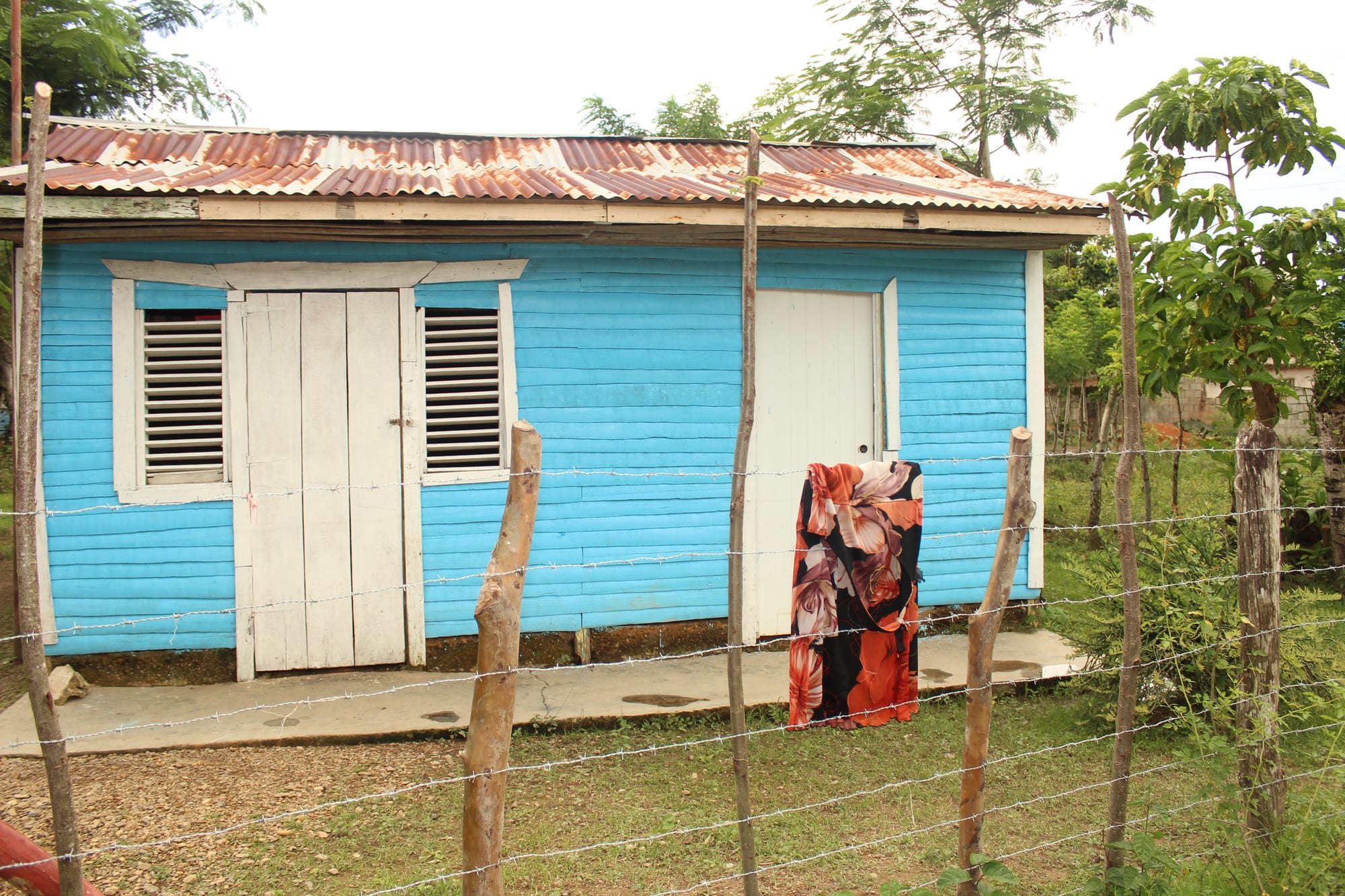
A small sky-blue wooden house with white shutters and a rusty tin roof behind a fence of wooden posts

Punta Cana & the East, Dominican Republic

Miches

A painted wooden house in Miches. (funkflex06 / Wikimedia Commons · CC BY 3.0)

A small coastal town in El Seibo province on the southern shore of Samaná Bay, squeezed between the sea and the northern slopes of the Cordillera Oriental. Long isolated and still largely rural, it lives from fishing, farming and cattle, with wide beaches, coconut groves and protected lagoons — and new roads and resort projects are beginning to bring tourism.

Neighbourhoods

  • Miches town
    • First-time visitors
    • Local life

    The small town centre on the bay, where most of the municipality's people live. Shops, colmados, simple guesthouses and fish restaurants line its streets, and boats for bay trips leave from the shore.

    Open in Maps
  • The beaches of Costa Esmeralda
    • Beaches
    • Quiet stays

    Long, mostly undeveloped beaches backed by coconut palms stretch along the coast around the town. Small cabins for rent and horse rides on the sand are part of the new tourism, and the coast is attracting investment in larger resort projects.

    Open in Maps
  • The lagoons and Playa Limón
    • Nature
    • Birdwatching

    The protected lagoons of Laguna Redonda and Laguna Limón lie in the countryside of the municipality, with the beach of Playa Limón near the village of El Cedro. The area is used for lagoon tours and birdwatching.

    Open in Maps

Things to do

Beaches

  • Playa Esmeraldabeach

    One of the long beaches on the coast around Miches.

    Open in Maps
  • Playa Limónbeach

    A beach in the surroundings of Miches, near the village of El Cedro.

    Open in Maps
  • Playa Arribabeach

    The beach in the town of Miches itself.

    Open in Maps

Lagoons and viewpoints

  • Laguna Redondapark

    A protected lagoon and nature reserve, visited on birdwatching tours.

    Open in Maps
  • Laguna Limónpark

    A protected lagoon which, with Laguna Redonda, forms a national reserve that includes a floating island with its own plants and wildlife.

    Open in Maps
  • Montaña Redondaviewpoint

    A hill listed among the points of interest of the Miches area.

    Open in Maps

Short trips from the town

  • Los Haitises National Parkpark

    A protected karst plateau of conical hills, caves and mangroves on the shore of Samaná Bay, explored with guides from Sabana de la Mar.

    Open in Maps
  • Sabana de la Marattraction

    A bayside town founded by Canary Island settlers in 1756, one of the starting points for guided trips into Los Haitises.

    Open in Maps

Eat and drink

Long-standing places and food districts in Miches. Hours, ratings and directions come from your maps app, always current.

Miches classics

  • Fish restaurants in Michesneighborhood

    Simple restaurants in the town serve fish and seafood landed by local boats, fried or stewed, with rice, plantain and salad.

    Open in Maps
  • Beach restaurants at Playa Limónneighborhood

    Small restaurants near the beach serve fried fish and Dominican home cooking to day visitors.

    Open in Maps

Experience Miches

History

Miches began in the 19th century as a fishing camp. Fishermen from Santa Cruz de Hicayagua, the old name of El Seibo, built temporary shelters on this stretch of Samaná Bay, and over time the camps grew into farming and cattle-raising communities. Settlers from nearby Bayaguana and Sabana de la Mar joined them, drawn by the good land. The coast was first known as Costa de los Uveros, after the sea grape trees that grew thickly along the shore, and the settlement later took the names El Primo, recognised in 1860, and then El Jovero.

In 1883 President Ulises Heureaux made it a cantonal post, and in 1908 it became a común, or municipality. In 1936, under the Trujillo dictatorship, it was renamed Miches in honour of General Eugenio Miches, who fought at the Battle of Las Carreras against Haitian forces in 1849.

With the sea to the north and the mountains to the south, the town was isolated for most of its history, and that isolation held back its economy. For a time it was also known as a departure point for illegal boat journeys to Puerto Rico. In recent years improved roads to the Punta Cana area, El Seibo and Sabana de la Mar have ended much of that isolation, and the coast has begun to attract investment in large, upmarket tourism projects.

Culture & Customs

Miches is a rural town, and its culture is that of the eastern countryside: fishing families on the bay, small farmers in the hills, and cattle ranching across the pasture between them. Life is built around the church, the colmado and the waterfront, and merengue and bachata are the background to evenings and weekends, as elsewhere in the country. Horse rides along the beaches are now offered to visitors too.

Its place on Samaná Bay ties Miches to the sea. Small boats work the bay for fish, and in recent years local people have begun to offer boat tours, lagoon trips and whale watching. The coast has lagoons, mangroves and forests, and several areas are protected as reserves.

Tourism here is new and still small in scale. Locally run cabins, restaurants and excursions have appeared, and larger resort projects are coming to the coast. The painter Olivia Peguero grew up in Miches. Visitors who greet people, dress modestly away from the beach and ask before taking photographs are generally received warmly.

Daily Life

At the 2022 census the municipality of Miches had about 26,400 people, and about 63 per cent of them lived in its urban areas. It remains an emerging rural community with limited access to markets, low levels of education and few jobs, in a province where, at the 2010 count, about 70 per cent of households lived in poverty.

Farming is the main work: rice, coconut and cocoa are grown, along with root crops such as yautía and ñame, and cattle graze the hills. Artisanal fishing, crafts and small businesses complete the local economy. The growth of commercial fishing and of the population has put pressure on the bay's fish stocks, and runoff from farmland has left silt on the coral reefs.

Tourism is changing this. New roads have brought visitors from the Punta Cana area, local people have opened restaurants and rented out cabins, and resort construction offers jobs that did not exist a few years ago. Days start early and slow down in the midday heat; in the evenings people gather on the waterfront, in the colmados and around the church.

Food

Food in Miches comes from the bay and the farms around it. Fish and seafood landed by the town's boats are fried whole or stewed in a sauce and served with rice, tostones (twice-fried green plantain) and salad. Coconut grows all along the coast, and fresh coconut water and coconut sweets are everyday treats.

Everyday meals follow the Dominican pattern, and rice is among the crops grown in the fields around the town. Lunch is la bandera — white rice, red beans and stewed meat — and sancocho, a thick stew of meats and root vegetables, is made for gatherings. Yautía and ñame, both grown locally, go into stews and are boiled as sides, and mangú, mashed green plantain, is a common breakfast. Beef comes from the cattle ranches of the area.

Presidente beer and rum are drunk in the colmados and on the beach, and strong, sweet coffee is served throughout the day.

Planning tools

Budget

Miches itself is cheap by Dominican standards, with simple guesthouses, cabins and comedores at local prices. New luxury resorts on the coast are priced in US dollars and cost far more. Excursions by boat on the bay and trips into Los Haitises add most to the bill.

Daily Budget Midrange
USD 120–300 (beach hotel or resort, restaurants, a boat or lagoon tour)
Daily Budget Shoestring
USD 40–70 (guesthouse or cabin, comedor meals, guaguas)

Carry pesos: outside the resorts, cash is the normal way to pay in a town this small.

Best Time to Visit

December to April is the drier, sunnier season across most of the country and the most comfortable time on the beaches. Humpback whales gather in Samaná Bay roughly from January to March. May to November is hotter and more humid, with a hurricane risk.

Suggested Number of Days

Two or three days are enough for the town, its beaches and lagoons. Four or five allow time for a trip across the bay area and into the national park. Weather and boat availability can change the number.

First Visit
2–3 days
With Surroundings
4–5 days

Transportation

The town is small, and the beaches and lagoons are spread along the coast, so most visitors use a hire car, a taxi, a motoconcho or a guagua to move between them. Improved roads now link Miches with the Punta Cana area, the provincial capital El Seibo and Sabana de la Mar.

Avoid driving the coastal and mountain roads at night, and think twice before riding pillion on a motoconcho.

Airport & Station Connections

Most visitors arrive by road. Punta Cana International Airport, the busiest airport in the east, is the usual gateway for international flights, and improved roads now link the resort zone with Miches. From Santo Domingo, the routes run via El Seibo or Sabana de la Mar, and guaguas serve the town.

Walkability

The town centre is small enough to cover on foot. The beaches and lagoons lie some way along the coast, so a car, taxi or motoconcho is needed to reach most of them, and the heat makes long walks tiring in the middle of the day.

Safety

The main tourist areas are heavily policed and generally safe, but the Dominican Republic has significant crime, and petty theft, scams, and occasional armed robbery affect visitors, particularly in Santo Domingo and Santiago. In the east, the resort zones are heavily guarded and among the safest parts of the country, though theft from rooms and beaches, scams and overcharging on excursions happen. Rip currents cause drownings, and traffic accidents are a real risk.

Swim only where it is known to be safe and heed local advice, use licensed tour operators, and wear a helmet on motorbikes. Check current official travel advice before travelling.

Climate

Tropical and warm all year. The town sits between the sea and forested mountains. The drier months run roughly from December to April.

Summer
hot and humid in the east of the country, with days around 30–32°C, short showers and a hurricane risk from June to November
Winter
warm and breezy in the east of the country, around 27–29°C by day, the driest and most comfortable time

Local Customs

Miches is a small, conservative rural town. Greetings matter: a 'buenos días' on entering a shop or colmado is expected. Beachwear belongs on the beach, not in town or in church.

Ask before photographing people, especially fishermen and families at home; Spanish is the language of daily life, and little English is spoken outside the resorts.

Common Payment Methods

The currency is the Dominican peso. Resorts accept cards and quote in US dollars, but in the town cash in pesos is needed for guaguas, motoconchos, colmados and small restaurants. ATMs are few, so it is wise to arrive with enough cash.