💰 Budget
Haapsalu is markedly cheaper than Tallinn. The main costs are a room in high summer, when festivals and holidaymakers fill the town, and spa or mud treatments, which are the reason many visitors come. Most sights are in walking distance, so transport costs are low once in town.
- Daily Budget Midrange
- USD 110–200 (spa hotel or guesthouse, restaurant dinners, castle museum, a spa treatment)
- Daily Budget Shoestring
- USD 50–85 (guesthouse, café meals, bus from Tallinn)
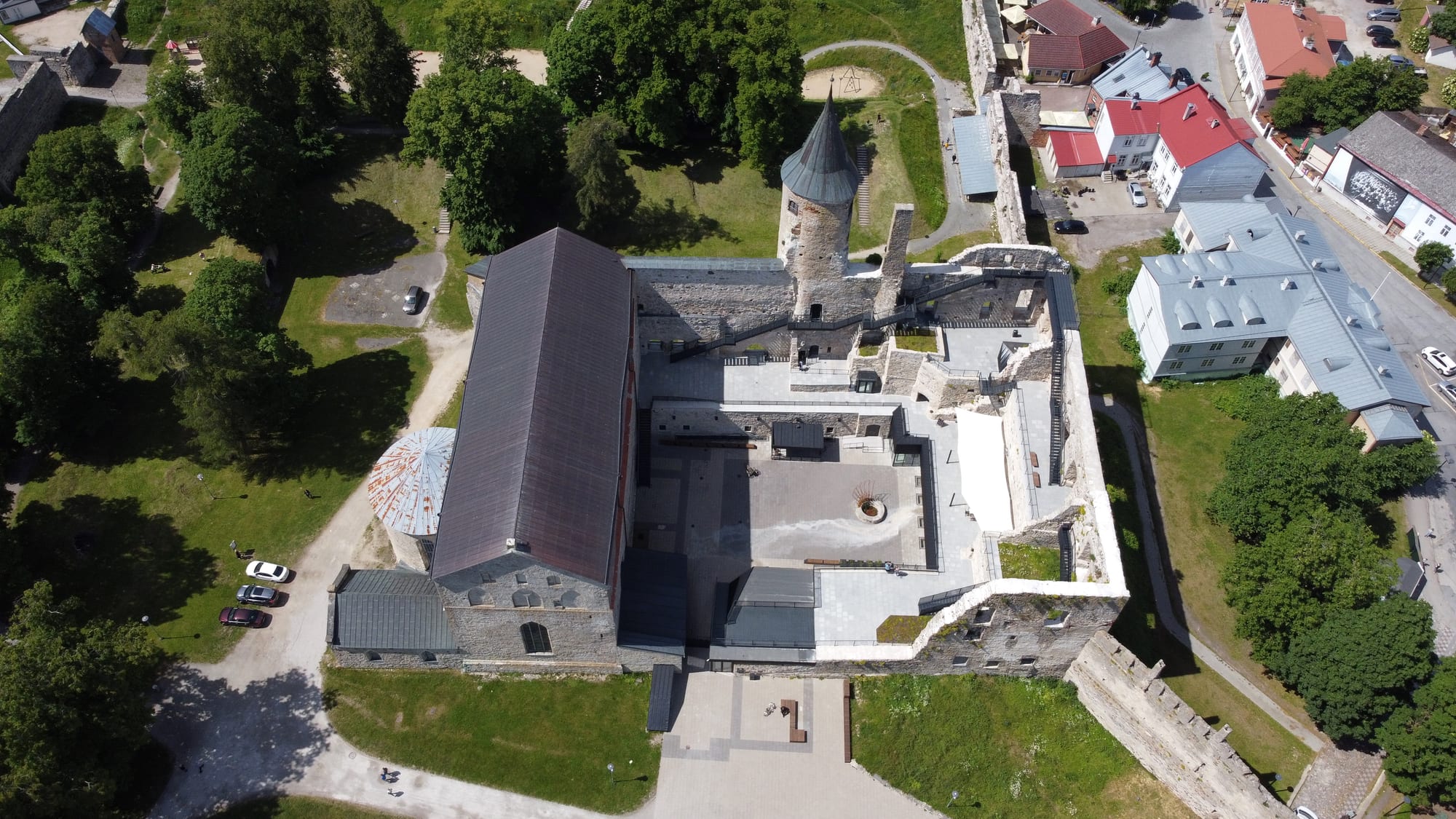
The Promenade, the beaches and the walk around the castle walls cost nothing; book rooms early for the blues festival and the White Lady Days.
📅 Best Time to Visit
June to August, when the shallow bays are at their warmest, the Promenade and beaches are busy and the town's festivals fill the calendar; the August full moon brings the White Lady legend to the castle. Autumn brings migrating waterfowl and cranes to Matsalu Bay. Winter is quiet and dark, though the spas stay open all year.
⏳ Suggested Number of Days
The town itself fits into a day or a relaxed overnight stay. Three or four days allow time for the bird bays to the south, the Swedish-speaking peninsula to the north or a ferry crossing to the islands, and longer still for a spa stay.
- First Visit
- 1–2 days
- With Surroundings
- 3–4 days
🚆 Transportation
The centre is small and walkable, though Paralepa and the outer areas are a longer walk; taxis are available, and the old railway bed has become a cycle path. A car is the easiest way to reach the countryside and the ferry port, and a water taxi runs from the Grand Holm harbour to Österby.
There are no passenger trains: the last ran in 1995, and the old station is now a museum.
🛬 Airport & Station Connections
Regular buses link Haapsalu with Tallinn and with Kärdla on Hiiumaa, and a few run to Pärnu. Tallinn Airport is the nearest international airport. Ferries for Hiiumaa and Vormsi leave from Rohuküla, just west of the town.
🚶 Walkability
The old town, the castle, the Promenade and the railway station are all within easy walking distance on mostly flat streets, with water on several sides. Paralepa is a longer walk from the centre. Pavements can be icy in winter.
🛡️ Safety
Estonia is a safe country with low levels of violent crime. In Haapsalu the main hazards are seasonal: ice on pavements and on the bays in winter, and ticks in the woods and long grass from spring to autumn.
Never walk or drive on sea ice outside an officially opened ice road, and check for ticks after walks in the countryside. Check current official travel advice before travelling.
🌦️ Climate
A cool maritime climate tempered by the shallow bays of the west coast, which warm quickly in summer. Winters are cold and dark, and in hard years the sea freezes between the mainland and the islands.
- Summer
- mild — across Estonia, July, the warmest month, averages about 18°C, with long light evenings
- Winter
- cold — in Estonia, February averages range from −1.4°C on the islands to −5.3°C inland, with snow and short days
🤝 Local Customs
Tipping became common only after independence was restored and is not always expected; about 10 per cent is usual in restaurants. Estonians are reserved and value quiet, and the sauna is a normal part of life. Haapsalu's lace shawls are a point of local pride and a traditional craft rather than a souvenir invention.
Dress modestly and keep voices low inside churches, and follow the spa's rules on swimwear and showering.
💳 Common Payment Methods
The currency is the euro. Cards are accepted in most places, though some parking machines and rural farms may want cash; ATMs are found in the centre.