💰 Budget
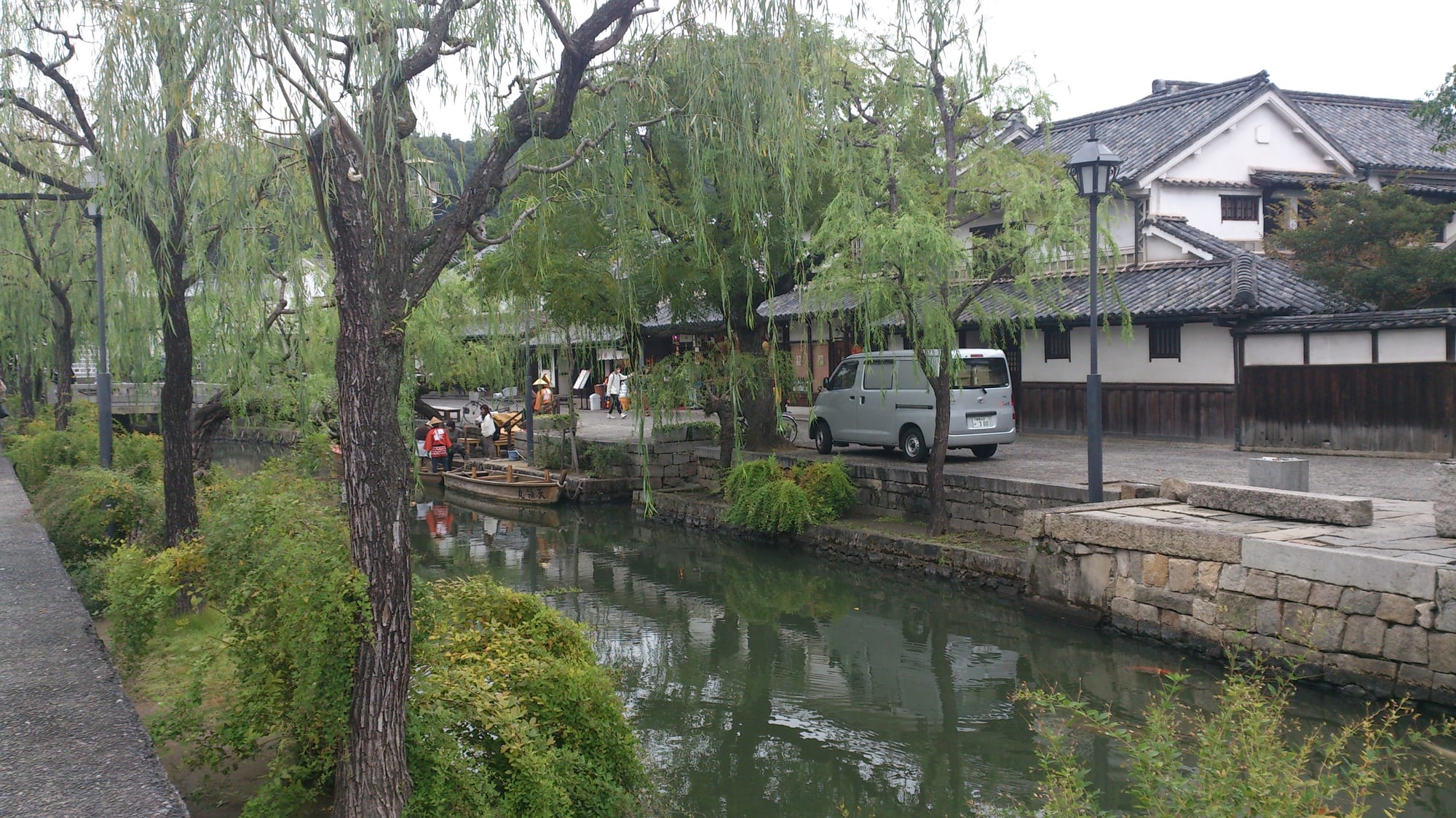
Kurashiki is cheap for a place of its fame. Hotels by the station cost much less than in the big cities, museums charge small entry fees, and the old quarter itself costs nothing to walk through. The pricier choices are the ryokan and the converted storehouse hotels in the Bikan quarter, and a canal boat ride.
- Daily Budget Midrange
- USD 100–190 (business hotel or ryokan, restaurant dinners, Shinkansen and limited-express travel)
- Daily Budget Shoestring
- USD 45–70 (guesthouse or budget business hotel, noodle and set-menu meals, local trains)
Staying overnight is worth it: the quarter is crowded with day trippers from late morning and quiet, lit and almost empty in the evening.
📅 Best Time to Visit
Spring and autumn are the most pleasant, with blossom on the canal in early April and mild, clear weather in October and November. Summer is hot and humid, though the willows give shade and the festival falls in July. Winter is cool and dry, and the old town is at its emptiest.
⏳ Suggested Number of Days
The old quarter and its museums fill a comfortable day, and many people visit from Okayama. Two or three days allow the coast, the denim town and the wider city as well, and an overnight stay changes the character of the visit.
- First Visit
- 1 day
- With Surroundings
- 2–3 days
🚆 Transportation
Kurashiki Station is on the JR Sanyo main line, with frequent local and rapid trains from Okayama in about 15 minutes. The Hakubi and Seto-Ohashi lines branch here for the mountains and for Shikoku, and the Kojima district is reached by train or bus in about half an hour. City buses serve Mizushima and Tamashima, and bicycles can be hired near the station.
The old town is a level walk from the station; a car is only needed for the coast and the outlying districts.
🛬 Airport & Station Connections
Most visitors arrive by train from Okayama, 15 minutes away, which is itself on the Sanyo Shinkansen; Shinkansen trains also stop at Shin-Kurashiki, a few minutes west of the main station on a local service. Okayama Airport lies north-east of the city, with a bus link, and long-distance coaches run from Osaka and Tokyo.
🚶 Walkability
Very walkable. The Bikan quarter is a flat grid of narrow lanes closed to most traffic, about a kilometre from the station through covered arcades. Stone paving is uneven in places, and the climb to Achi Shrine is a steep flight of steps. The outlying districts are too far apart to walk between.
🛡️ Safety
Kurashiki is a very safe city with very little crime against visitors. The practical hazards are summer heat, heavy rain in the rainy season and typhoons, and the low stone edges of the canal, which has no railings.
Keep children away from the unfenced canal banks, carry water in summer, and heed heavy-rain warnings — the low-lying western districts flooded badly in 2018. Check current official travel advice before travelling.
🌦️ Climate
A mild, sunny Inland Sea climate with relatively little rain, sheltered by mountains to the north and by Shikoku to the south. The rainy season runs through June and early July, and typhoons can reach the coast in late summer.
- Summer
- hot and humid, commonly 30–35°C by day, with warm, still nights
- Winter
- cool, dry and bright, usually 2–10°C, with snow rare on the coast
🤝 Local Customs
Standard Japanese manners apply: shoes off in inns and some museums and restaurants, quiet voices indoors, no tipping. Much of the Bikan quarter is a residential conservation area, so lanes are kept quiet at night and private doorways should be left alone.
Photograph houses and shopfronts freely but not through doorways or windows of homes; ask before photographing staff or craftspeople at work.
💳 Common Payment Methods
The currency is the Japanese yen. Cards and IC transit cards are taken at the station, hotels, museums and larger shops, while small craft shops, cafés and the boat rides in the old town often want cash. Convenience-store machines accept foreign cards.