💰 Budget
Niseko in winter is among the most expensive places in Japan: rooms, lift passes, ski hire, lessons and restaurant meals are priced for an international market, and January and February are the peak. Outside the ski season the same valley is ordinary rural Hokkaido and costs a fraction of that. Transfers from the airport are a notable extra.
- Daily Budget Midrange
- USD 110–220 outside the ski season, rising to USD 300–500 or more in January and February (hotel or apartment, lift pass, restaurant dinners, transfers)
- Daily Budget Shoestring
- USD 70–120 (hostel or pension bed, supermarket and ramen meals, shuttle buses; far more in January)
Book winter accommodation many months ahead, and compare a multi-day all-mountain lift pass with single-area tickets.
📅 Best Time to Visit
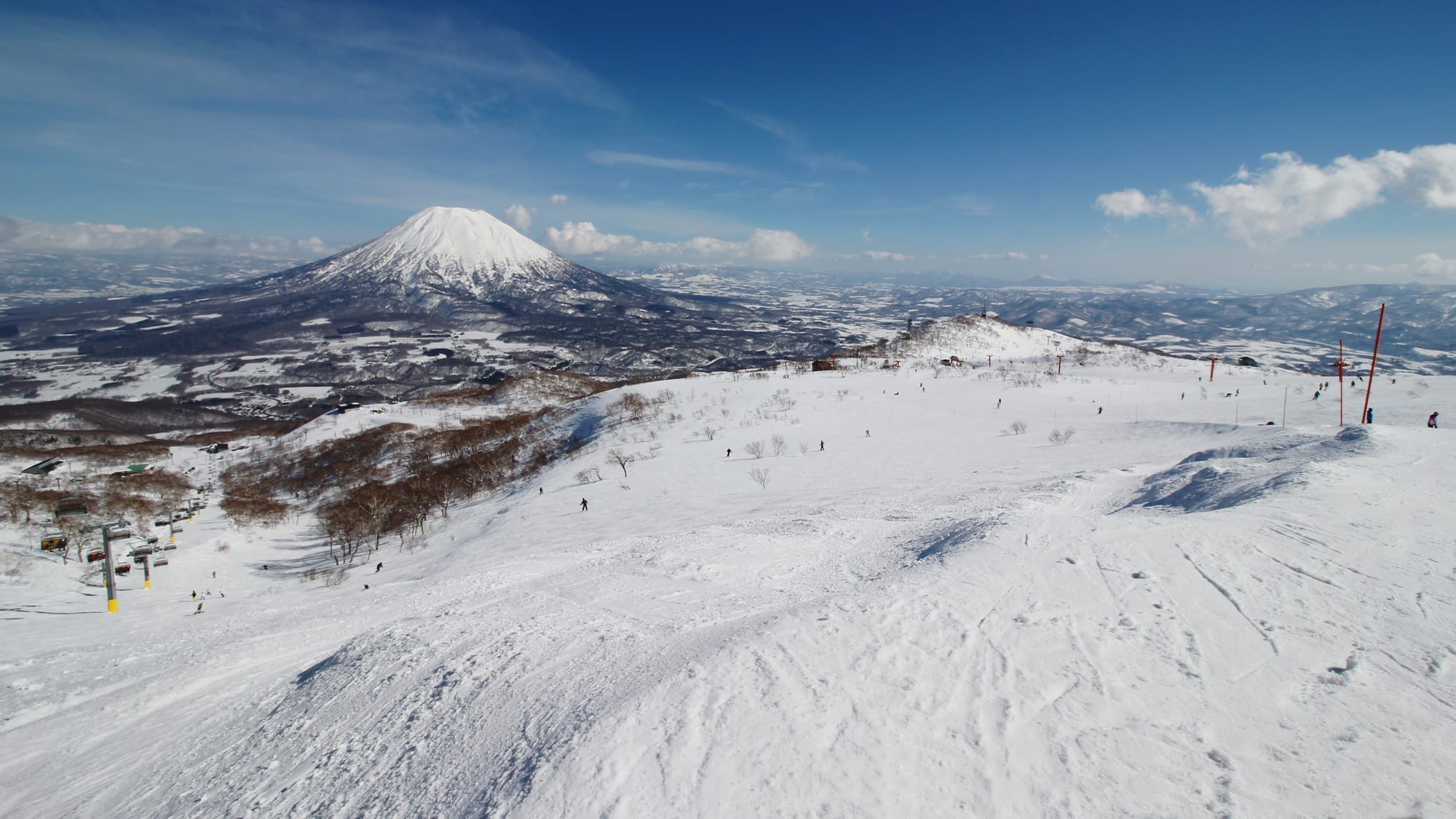
January and February for the deepest and driest snow, with the season generally running from late November to early May, and spring skiing in April. July to September is the quiet alternative, with hiking, rafting, cycling and clear views of Mount Yōtei. Late autumn is a shoulder season when many businesses close.
⏳ Suggested Number of Days
Skiers usually stay three to five days, long enough to ride out a bad weather day. A week suits anyone combining the snow with hot springs or a trip further into Hokkaido. In summer two or three days are plenty.
- First Visit
- 3–5 days
- With Surroundings
- 6–8 days
🚆 Transportation
Shuttle buses and coaches connect the base villages with each other, with Kutchan and with New Chitose Airport; in winter free or inexpensive local shuttles circulate between Hirafu, Niseko Village and Annupuri. Trains run on a rural line through Kutchan and Niseko stations. A hire car is useful outside the ski season but means driving on snow and ice in winter.
Winter driving needs snow tyres and experience; most visitors rely on the resort shuttles and taxis instead.
🛬 Airport & Station Connections
New Chitose Airport, near Sapporo, is the gateway; scheduled coaches and private transfers take between two and three hours depending on the weather. Trains reach Kutchan from Sapporo in around two hours with a change at Otaru, and buses run from Sapporo in about three. Journeys take longer in heavy snow, and coaches occasionally run late.
🚶 Walkability
Each base village is small enough to walk around, and Hirafu's restaurants and bars are within a few minutes of most lodgings — though the streets are steep, narrow and banked with snow in winter, and pavements are limited. Walking between the four ski bases is not practical, and the towns below are several kilometres away.
🛡️ Safety
Crime is very low. The serious risks are the mountain and the weather: avalanches in the backcountry, tree wells and deep snow off-piste, whiteouts and severe wind chill, and icy roads. The resorts operate marked backcountry gates that close when conditions are dangerous. Brown bears live in the surrounding forests and are a summer consideration.
Ski beyond the patrolled area only with avalanche equipment, a partner and current local information, and never through a closed gate; carry a bear bell on summer trails. Check current official travel advice before travelling.
🌦️ Climate
One of the snowiest inhabited places in the world. Moist air from the Sea of Japan crosses warm water and rises against the mountains, dropping dry, light snow through the winter — commonly more than ten metres over a season. Summers are cool, green and short, and Hokkaido escapes most of Japan's rainy season.
- Summer
- cool and fresh, generally 18–26°C in July and August, with cold nights in the mountains
- Winter
- cold and very snowy, generally -10 to -2°C from December to February, with frequent heavy snowfall and wind
🤝 Local Customs
Tipping is not practised in Japan, including here, despite the international crowd. Shoes come off at the door of lodgings and many restaurants, and ski boots are removed in entrance rooms. Hot springs are washed-before-entering and swimwear-free, and tattoos still bar entry at some baths, though a few resort onsen are more relaxed.
Keep noise down late at night in the base villages, where apartments and family homes sit side by side, and follow the strict Japanese rules on drink-driving.
💳 Common Payment Methods
The currency is the Japanese yen. Cards are widely accepted in the resort villages, hotels, lift offices and larger restaurants — more so than in most rural Japan — but small local shops, some inns and roadside stalls take cash only. Cash machines at convenience stores in Kutchan and Hirafu accept foreign cards.