💰 Budget
Sendai is cheaper than Tokyo or Kyoto for rooms and meals but is a business city, so hotel prices rise on weekdays and during conferences, and they jump for Tanabata in early August and the December lights. Set lunches, arcade restaurants and the station food halls keep daily costs low; Shinkansen fares from Tokyo are the largest single expense for most visitors.
- Daily Budget Midrange
- USD 110–200 (mid-range hotel, gyutan and izakaya dinners, museum entry, day trips by train)
- Daily Budget Shoestring
- USD 45–80 (business hotel or hostel, set lunches and noodles, subway and local trains)
Book months ahead for the Tanabata week, and check the JR East regional passes if Sendai is part of a wider Tohoku trip.
📅 Best Time to Visit
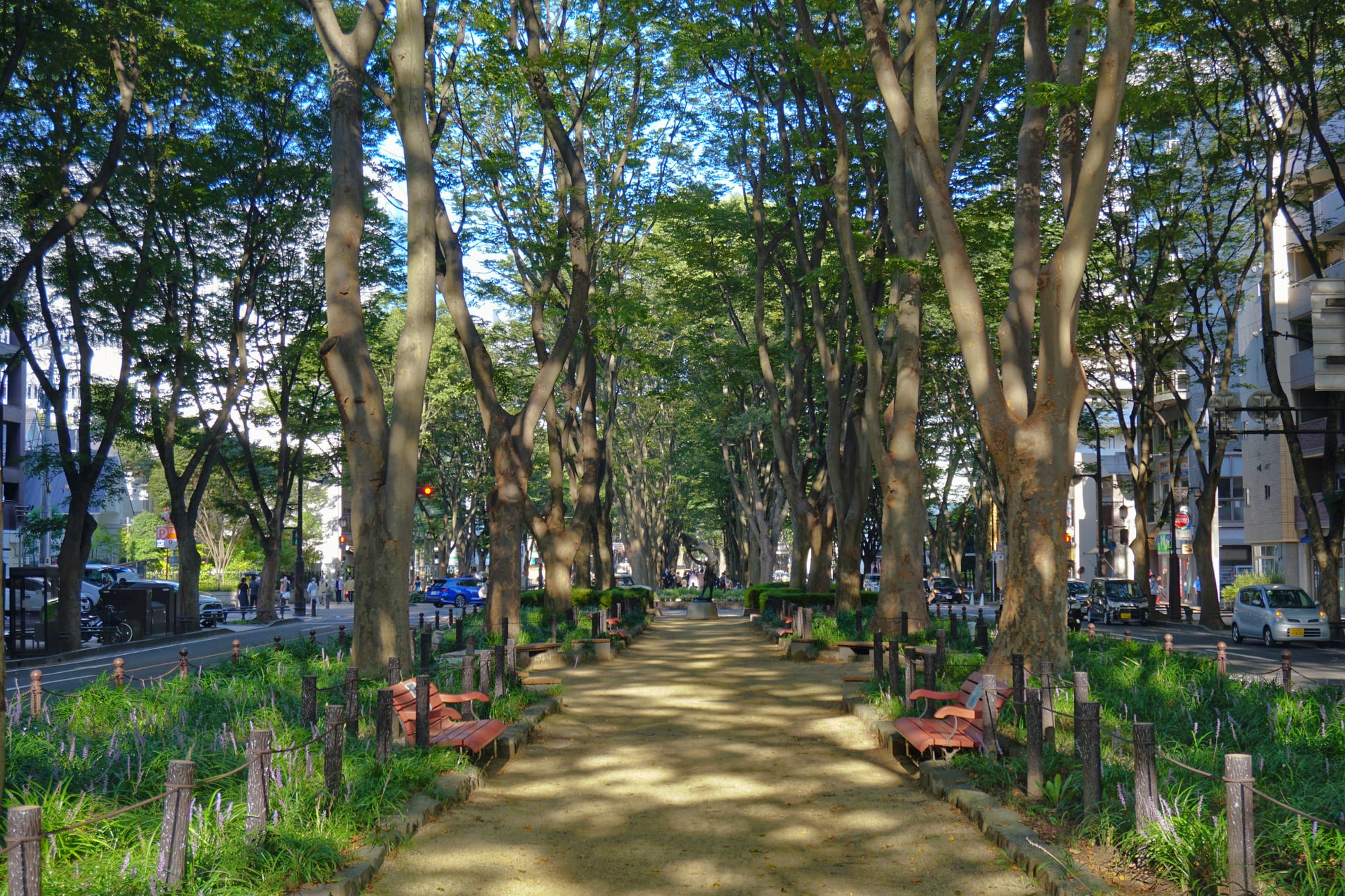
Late April for cherry blossom on the castle hill and along the river, and May for fresh green and the Aoba festival. Early August brings Tanabata and the biggest crowds of the year, in hot and humid weather. October and November are clear and mild, with autumn colour in the gorges, and December is cold but lit up along Jozenji-dori.
⏳ Suggested Number of Days
Two days are enough for the central sights at a reasonable pace. Three to five suit a visitor who also wants the coast, the hot springs in the western hills and a wider loop through Tohoku; festival weeks need extra time because of the crowds.
- First Visit
- 2 days
- With Surroundings
- 3–5 days
🚆 Transportation
Two subway lines cross at Sendai Station — the north-south Namboku line and the east-west Tozai line, which climbs to the castle hill and the university — and city buses cover the rest, including a loop service linking the main sights. IC cards work on all of them. Local JR lines run to the coast, to Matsushima and to the airport, and a hire car is useful only for the hills and the countryside.
The castle hill is a steep climb from the river; the subway or the loop bus saves the effort.
🛬 Airport & Station Connections
Tohoku Shinkansen trains from Tokyo reach Sendai in about an hour and a half and continue north to Aomori, making the city an easy first stop in the region. Sendai Airport, in Natori about 14 kilometres to the south-south-east, has domestic flights and some international services, with a rail link to the centre in under half an hour. Long-distance buses serve Tokyo and the rest of Tohoku overnight and by day.
🚶 Walkability
The centre is flat, orderly and pleasant on foot: the station, the arcades, Kokubuncho and Jozenji-dori sit within a walk of twenty to thirty minutes end to end, much of it under cover or under trees. The castle hill, the mausoleum and the coast are too far and too steep to walk comfortably, and pavements can be icy in January and February.
🛡️ Safety
Crime is very low and the centre is safe at all hours, with the usual caution about touts and overcharging in a few bars in Kokubuncho late at night. The real hazards are natural: the coast is exposed to earthquakes and tsunami, as 2011 showed, and summer heat and typhoon rain can disrupt transport.
Learn the earthquake drill and note the tsunami evacuation routes signposted near the coast, keep a disaster-alert app on a phone, and decline invitations from street touts in the nightlife district. Check current official travel advice before travelling.
🌦️ Climate
Milder and sunnier in winter than the Sea of Japan side of Tohoku, and cooler in summer than the inland basins. A cool, damp sea wind called the yamase can hold temperatures down in early summer, and the June rainy season is shorter here than in central Japan.
- Summer
- warm and humid, generally 25–31°C, with sea breezes and occasional cool spells
- Winter
- cold but relatively dry and bright, about -1 to 6°C, with some snow that rarely lies long in the centre
🤝 Local Customs
Ordinary Japanese manners apply: shoes off indoors and in inns, quiet on trains, queuing at marked places on platforms, and no tipping. Sendai is a student city and its nightlife is relaxed, but noise in residential streets late at night is not welcome. At shrines and the Date mausoleum, visitors bow at the gate, rinse hands at the basin and keep to the paths.
Ask before photographing people at festivals, treat the tsunami memorials on the coast as places of mourning rather than sights, and wash before entering the water at hot springs.
💳 Common Payment Methods
The currency is the Japanese yen. Cards and IC cards are accepted at hotels, chains, department stores and on all public transport, and the IC card also works in convenience stores. Small izakaya, market stalls and older restaurants are often cash only, and cash machines at convenience stores and post offices take foreign cards.