History
Fredrikstad exists because of a fire. Sarpsborg, founded by Olav the Holy in 1016 about 15 km up the Glomma, was burned to the ground by the Swedes during the Northern Seven Years' War, and King Frederick II ordered a new town built at the river mouth. The new town was founded in 1567 on the east bank, at first as a re-founding of Sarpsborg; the name Fredrikstad first appears in a letter from the king in 1569. Some citizens stayed behind and rebuilt Sarpsborg, which regained its town status in 1839.
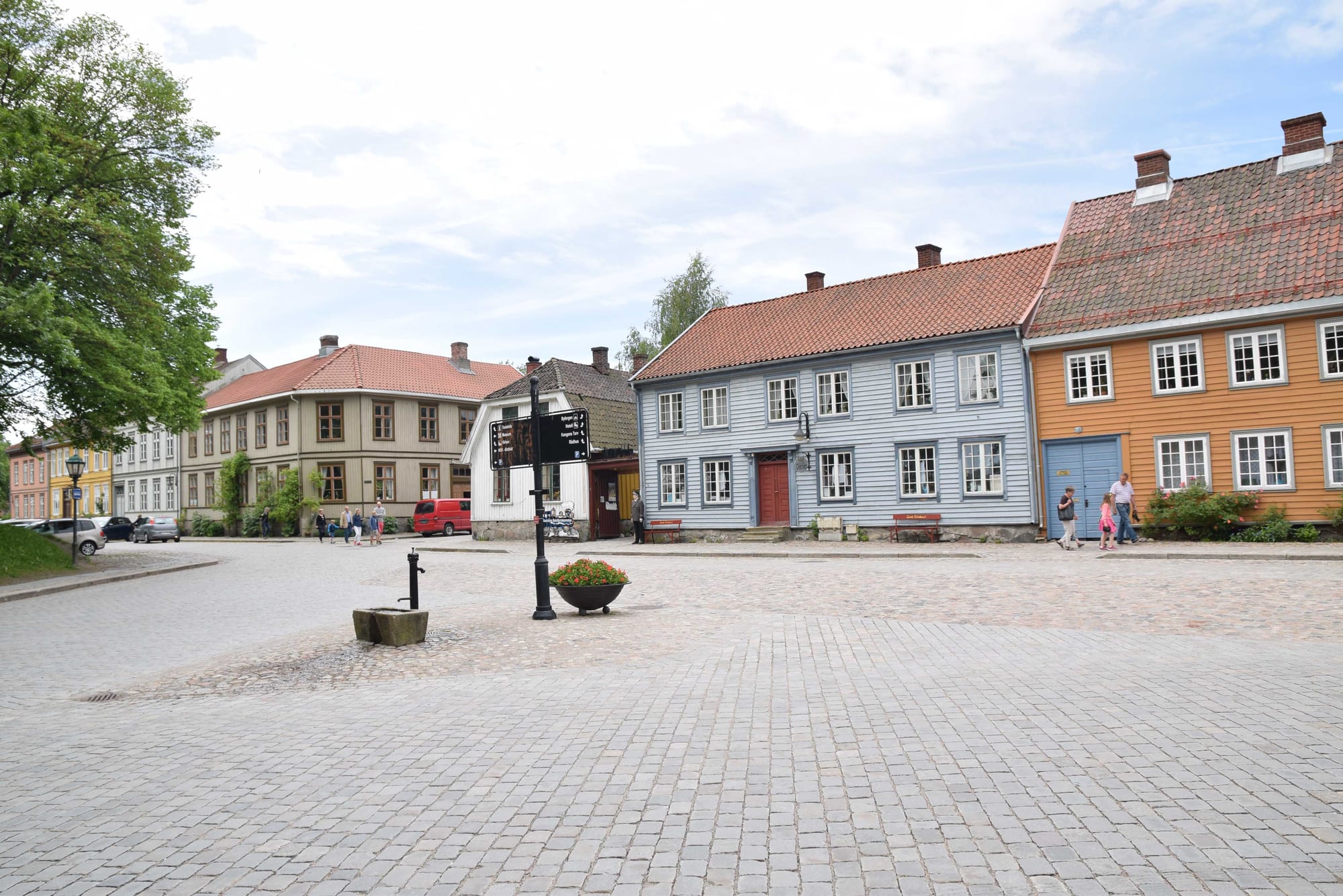
Facing Sweden across the border, the town was fortified: a temporary fortification of 1644–45 was made permanent when, between 1663 and 1666, the officer Willem Coucheron and his son built the low earth ramparts and wide moat that still surround the Old Town. Outworks followed over the next decades, among them Isegran, where an earl had built a fort in the late 13th century, and Kongsten fort, founded in 1685. The fortress was attacked only once, in 1814, when it capitulated to the Swedish army on 4 August; on 15 August Sweden concluded the armistice known as the Convention of Moss in Fredrikstad. In 1735 a suburb, Vestsiden, was founded across the river, and it became the heart of the modern city.
From the 1840s timber exports made Fredrikstad rich, with large sawmills along the river. When they declined in the early 1900s the city turned to industry, above all the great Fredrikstad Mekaniske Verksted shipyard, which closed in 1988. The fortress was closed in 1903 but kept as a garrison. The Fredrikstad Bridge opened in 1957, the surrounding rural municipalities were merged into the city in 1964 and 1994, and the city hosted the Tall Ships' Races in 2005 and 2019.