💰 Budget
Oslo is an expensive city to sleep and eat in; alcohol and restaurant dinners are the biggest costs. Many things are free — the Opera House roof, Frogner Park, the harbour promenade and the forest — and a city pass covering museums and public transport, including the Bygdøy ferry, brings the cost of a museum day down.
- Daily Budget Midrange
- USD 230–430 (mid-range hotel, restaurant dinners, museum tickets, ferries and the metro)
- Daily Budget Shoestring
- USD 90–150 (hostel bed, supermarket food and kebabs, a day ticket for public transport)
Beer above 4.75 per cent, wine and spirits are sold only at the state Vinmonopolet shops, and supermarkets stop selling beer in the evening and on Sundays.
📅 Best Time to Visit
May to September, when the evenings are long, the islands and beaches are open and the festivals run; 17 May is the city's busiest and most festive day. Winter is cold and dark but brings skiing in the Nordmarka forest and at Holmenkollen, and December has the Nobel Peace Prize ceremony.
⏳ Suggested Number of Days
Two to three days cover the centre, the harbour and the main museums. Four or five allow time for the islands, the forest and towns along the fjord. Museum-heavy visits and winter skiing both add time.
- First Visit
- 2–3 days
- With Surroundings
- 4–5 days
🚆 Transportation
Public transport is run by Ruter: a five-line metro that runs underground through the centre and out to the suburbs, six tram lines in the inner city, buses, commuter trains and harbour ferries to the fjord islands, all on one ticket system. Most of the ferries have been electrified, and electric buses are widespread. Ordinary Ruter tickets are not valid on the Bygdøy ferry. Cycle lanes are extensive.
Buy tickets in the Ruter app before boarding; ordinary Ruter tickets do not cover the Flytoget airport train or the airport coaches.
🛬 Airport & Station Connections
Oslo Airport, Gardermoen, the country's main international gateway, lies about 35 km north-east of the city. The Flytoget express train reaches Oslo Central Station in about 20 minutes, and ordinary mainline trains also run on the line. Torp airport, about 110 km away, serves some low-cost carriers. Long-distance trains run from Oslo to Bergen, Trondheim, Stavanger and Kristiansand.
🚶 Walkability
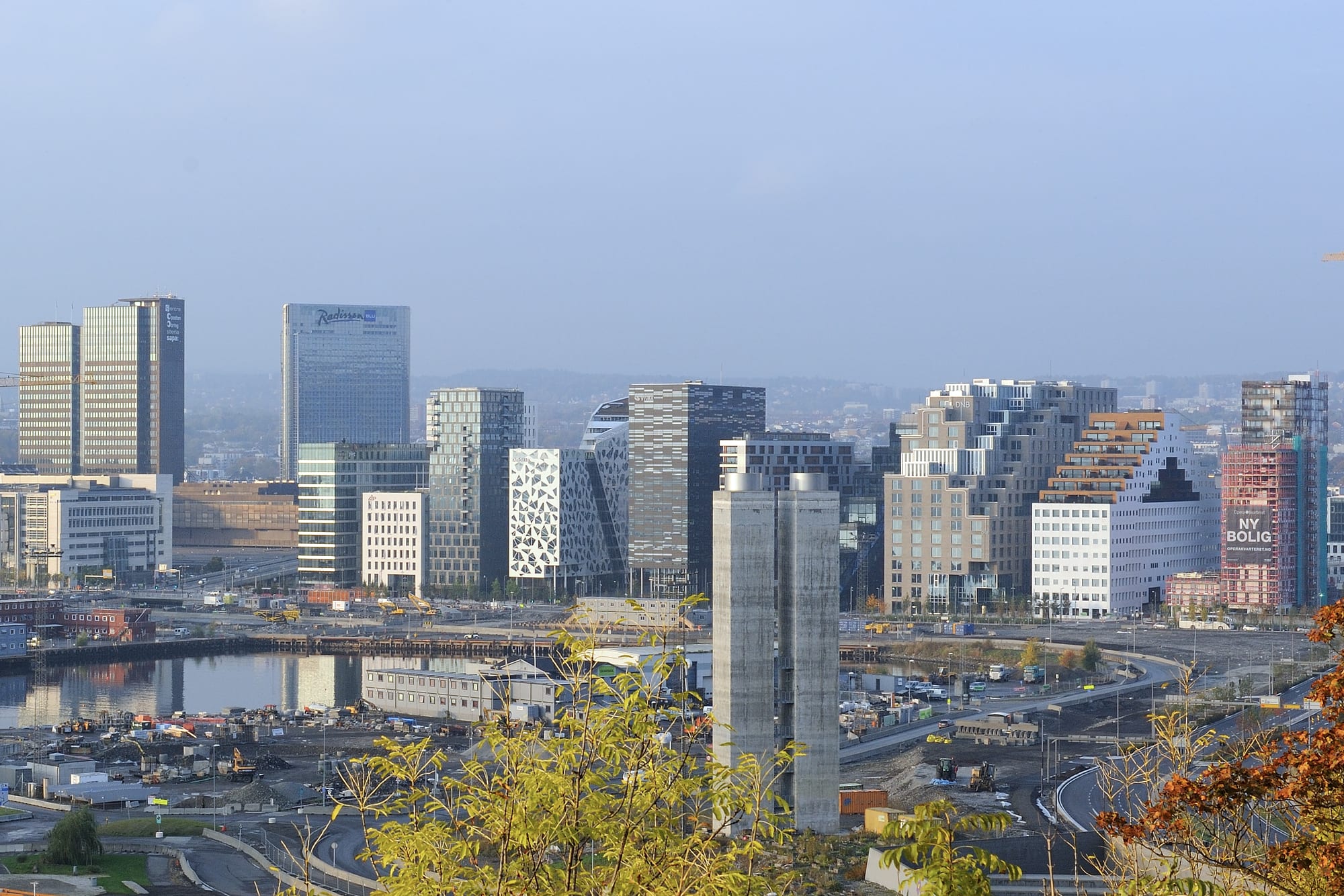
The centre is compact: the Royal Palace, Karl Johans gate, the City Hall, Akershus and the Bjørvika waterfront are all within a walk of each other, and Frogner Park is a few minutes' walk from the centre. Grünerløkka lies along the Akerselva river. Bygdøy needs a bus or ferry, and pavements can be icy in winter.
🛡️ Safety
Violent crime is rare in Oslo. The police advise avoiding the Akerselva riverside from Grønland northwards after dark, an area known for drug dealing. In the forest and on the fjord the risks are the usual Norwegian ones: cold water and fast-changing weather.
Keep bags close in central Oslo and on crowded trams, and dress for the cold in the forest in winter. Check current official travel advice before travelling.
🌦️ Climate
A humid continental climate at the head of the fjord. Summers are usually warm with long light evenings; winters are cold with regular snowfall, though milder than inland Norway, and the shortest days of December are very dark.
- Summer
- warm — average highs around 21°C and lows around 12°C, with days above 25°C very common
- Winter
- cold — January averages about −2°C, with snowfall spread through the winter months
🤝 Local Customs
Taxi drivers do not generally expect a tip, though some people round the fare up, and most people simply pay the exact amount by card. On 17 May many people wear the bunad, the national costume, and some 100,000 people come into the centre for the children's parade past the Royal Palace.
Hard liquor, wine and strong beer are sold only at Vinmonopolet shops, which close early on Saturdays and all Sunday; ask before photographing people in national dress.
💳 Common Payment Methods
The currency is the Norwegian krone (NOK). Oslo is close to fully cashless: cards and the Vipps app are used for almost everything, although staffed shops have been required by law to accept cash since October 2024. Contactless card payment is widespread.