History
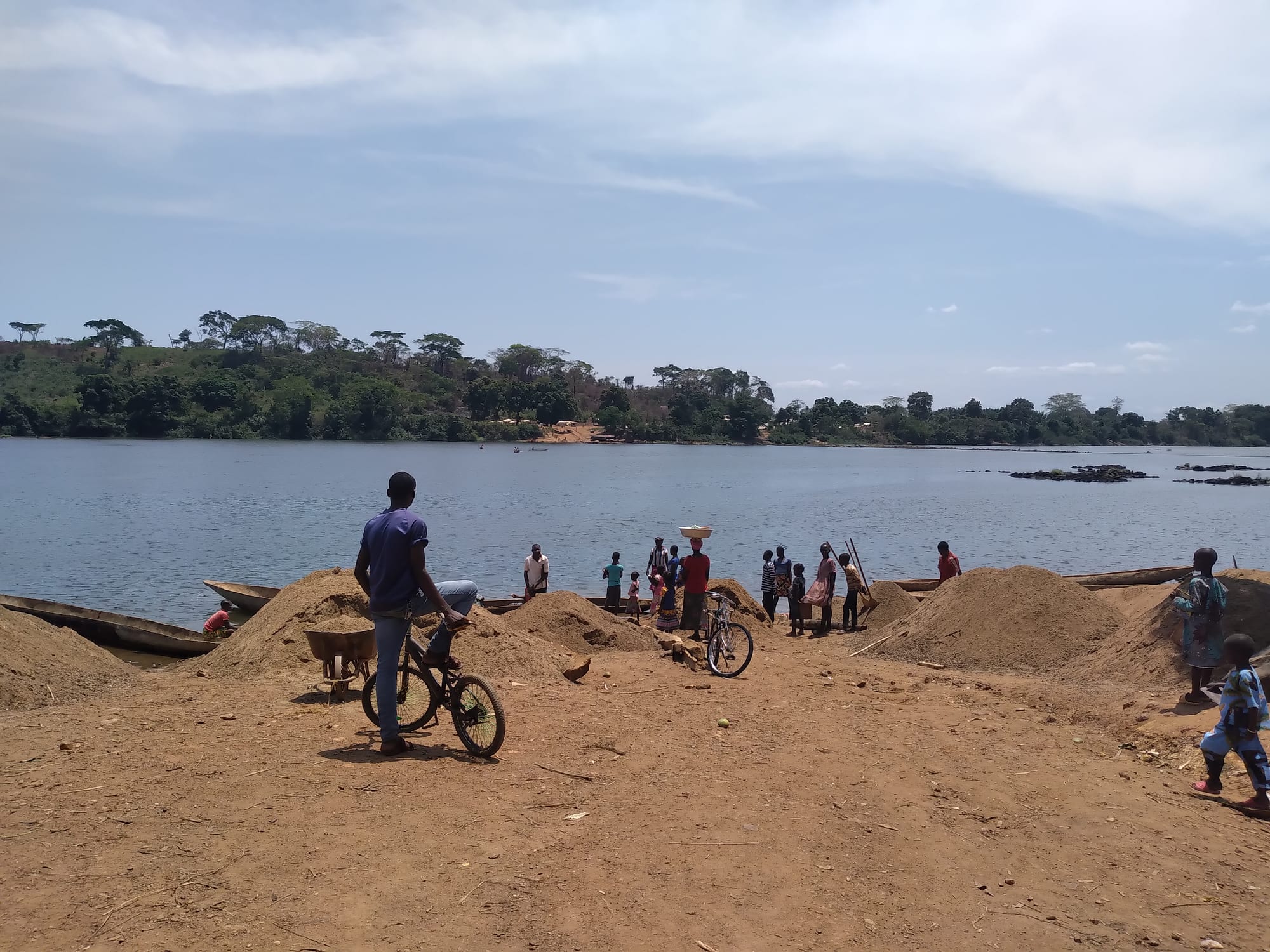
The river country of the south-east was shaped in the 19th century by the Zande and the Nzakara, whose ruling clans built sultanates along the Mbomou and its tributaries. The best known were those of Bangassou, Rafaï and Zémio, each named after its ruler and each still the name of a town. The sultans traded ivory and captives with Muslim merchants from the Nile valley and the north, and slave raids depopulated much of the savanna inland.
In the 1890s the Congo Free State and France competed for the region; an agreement in 1894 fixed the Mbomou as the frontier, leaving the north bank to France. The French mission of Jean-Baptiste Marchand passed up the Ubangi on its way to the Nile at Fashoda in 1898. Under colonial rule the east remained a remote outpost, with little investment beyond mission stations and a few administrative posts.
From around 2008 the Lord's Resistance Army, originally a Ugandan rebel group, moved into Haut-Mbomou, killing and abducting villagers, and Ugandan troops with American advisers pursued its leaders until 2017. After 2013, armed groups formed from the Séléka and rival militias spread across the east, competing for diamond areas, roads and towns, and violence has repeatedly forced people from Bangassou, Bria, Alindao, Zémio and other towns to shelter in churches, mission compounds and displacement camps.