History
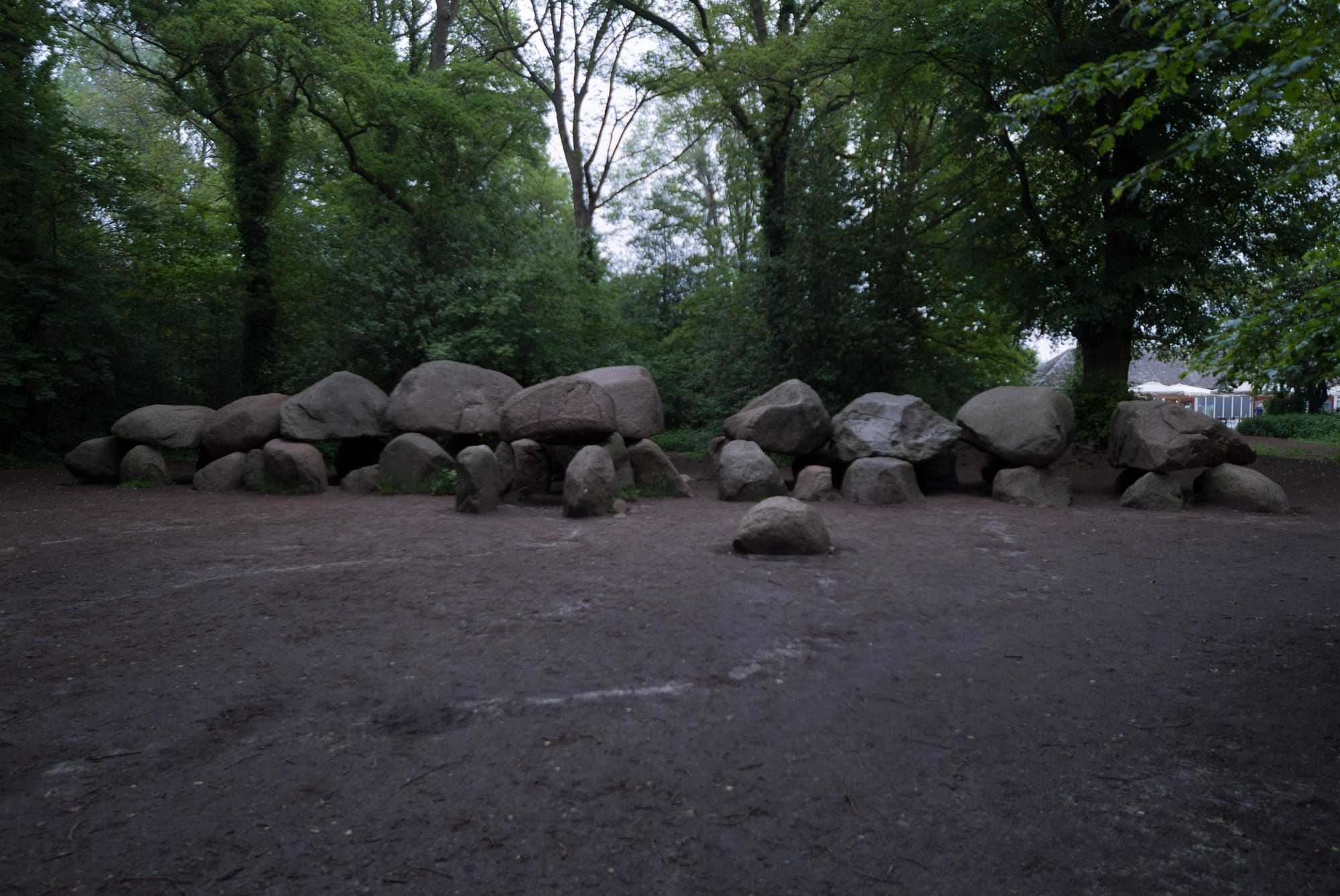
The oldest monuments in the Netherlands stand in Drenthe. Around 5,000 years ago farmers of the Funnelbeaker culture built the hunebedden, tombs of huge granite boulders carried from Scandinavia by ice-age glaciers; more than fifty survive, almost all of them in Drenthe. From around 500 BC people on the salt marshes along the coast raised their farms and villages on artificial mounds, called terpen in Friesland and wierden in Groningen, to stay above the tides.
The Frisians controlled the coast and North Sea trade in the early Middle Ages, and the Anglo-Saxon missionary Boniface was killed near Dokkum in 754. Medieval Friesland had no feudal lords, a state of affairs known as "Frisian freedom", until Saxon and then Habsburg rule arrived around 1500. The city of Groningen joined the Hanseatic League and dominated its surrounding countryside, the Ommelanden, and after joining the Dutch Revolt it gained a university in 1614. Drenthe, poor and sparsely peopled, was long the forgotten corner of the Republic, and its peat bogs were dug out from the 17th century onwards to create the peat colonies of the east.
In 1959 one of the largest natural gas fields in Europe was found at Slochteren in Groningen. Its gas paid for much of the Dutch welfare state, but extraction set off earthquakes that damaged many thousands of homes, and the field was shut down after years of protest. During the Second World War, Camp Westerbork in Drenthe was the transit camp from which most Dutch Jews were deported to the death camps.