History
The region was home to many iwi: Te Āti Awa and Ngāti Toa around the harbour and Kāpiti coast, Taranaki iwi on the west, Ngāti Kahungunu in Hawke's Bay and the Wairarapa, and Ngāti Porou and others on the East Coast. James Cook's first landfall in New Zealand, at Tūranganui-a-Kiwa (Poverty Bay) near Gisborne in October 1769, led to Māori being killed and wounded in clashes with his crew.
The New Zealand Company planted settlers at Port Nicholson, Wellington's harbour, in 1840 and at New Plymouth in 1841, buying land in deals whose extent Māori disputed. Fighting over a contested sale at Waitara began the Taranaki War in 1860, and confiscations of Taranaki land followed. At Parihaka, the prophets Te Whiti o Rongomai and Tohu Kākahi led a campaign of non-violent resistance, ploughing settlers' land, until Crown troops invaded the village in 1881; the Crown apologised in 2017. Whanganui iwi pursued their claim to the river for well over a century.
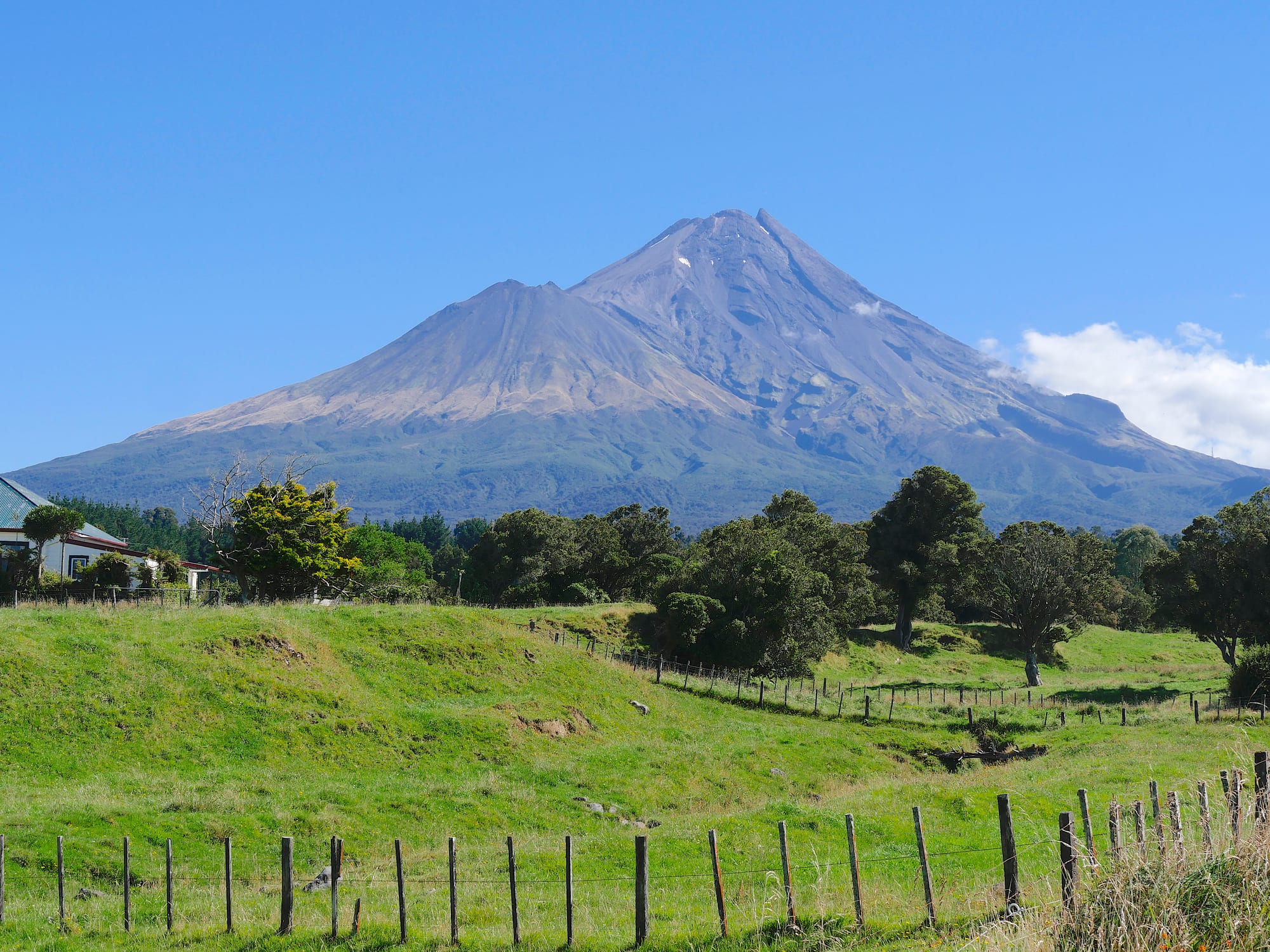
Wellington became the capital in 1865 for its central position, and the Wairarapa earthquake of 1855 had already raised its shoreline, giving the city new flat land. On 3 February 1931 the Hawke's Bay earthquake killed more than 250 people and levelled Napier and Hastings; both were rebuilt in the styles of the day. Treaty settlements have since produced world-first legal ideas: the Whanganui River was recognised as a legal person in 2017, and Taranaki Maunga followed in 2025.