Culture & Customs · United Kingdom
United Kingdom: The Queue, the Round and the Understatement
Four nations in one state, a largely secular society with deep Christian roots, and a code of manners built on reserve, fair play and humour, in which much of what matters is left unsaid
By Globeway Editorial · 30 September 2026
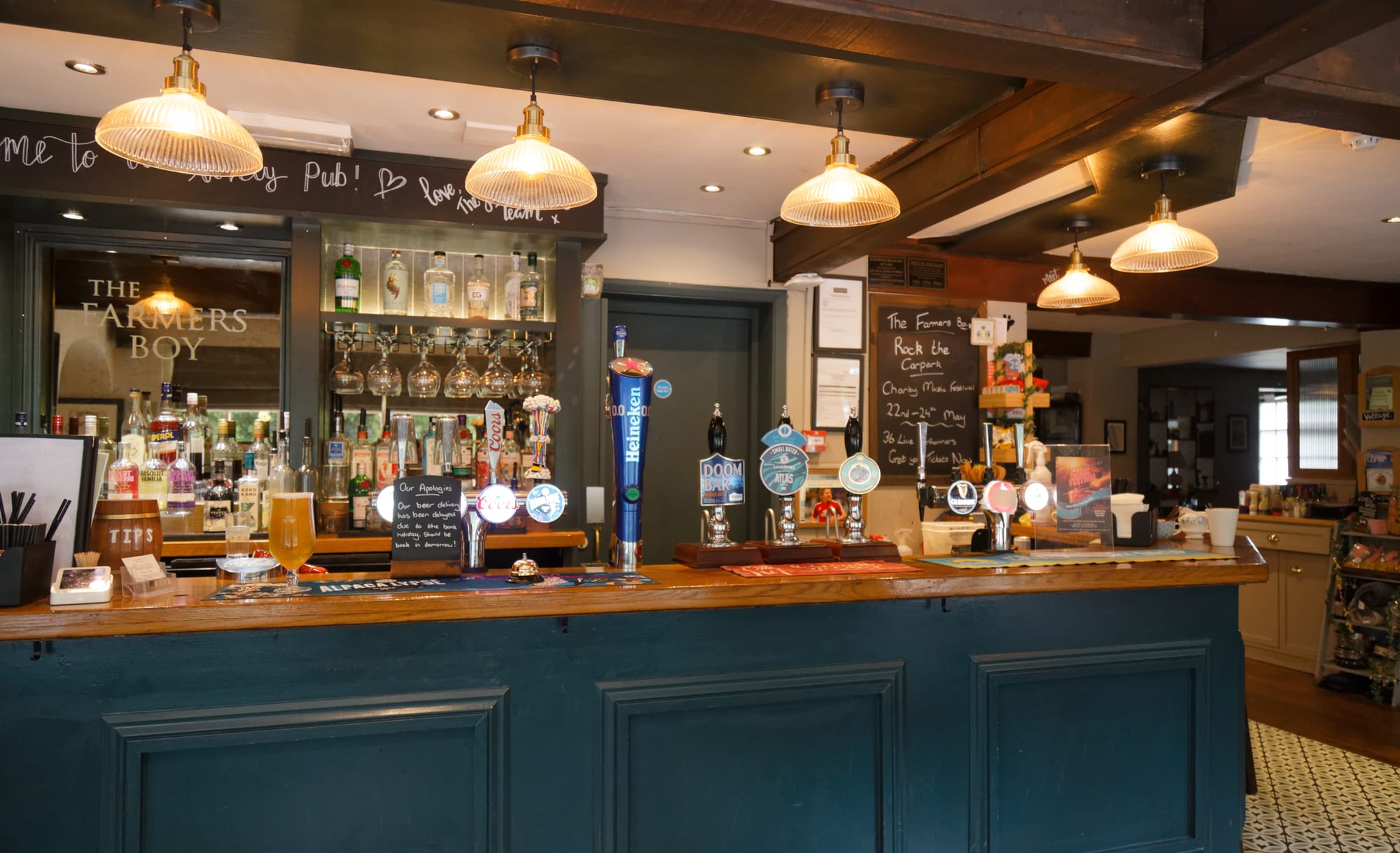
It is early evening and the pub is filling up. There is no line at the bar, yet everyone waiting knows exactly who arrived before whom, and when the barman catches the wrong person's eye, they nod towards the one who was there first. A group of friends takes it in turns to buy drinks for the whole table, and no one would dream of slipping away before paying for a round. Someone describes an excellent meal as "not bad", and everyone understands it as a compliment. None of this is written down, but all of it is understood. British manners work largely by implication: a set of shared, quiet rules about fairness, restraint and not making a fuss, which visitors pick up best by watching how others behave.
Faith, identity and values
The United Kingdom is one state made up of four nations, England, Scotland, Wales and Northern Ireland, and identity is layered accordingly. Cultural Atlas observes that Scottish, Welsh and Northern Irish people tend to be more conscious of a dual identity than the English, and that "British" and a national identity can mean quite different things to different people. The polite course is to acknowledge where someone is from without leaning on stereotypes, and never to assume that everyone in the UK is English.
Christianity shaped the country's calendar, laws and landscape, and each of the four nations has its own historic church: the Church of England, the Church of Scotland, the Church in Wales and the Church of Ireland. Yet the UK is now among the least religious societies in the world. Census figures summarised by Cultural Atlas show that fewer than half of people identify as Christian, around 46 per cent, while close to 38 per cent say they have no religion. Muslims are the largest religious minority at around 6 per cent, alongside significant Hindu, Sikh, Jewish and Buddhist communities. Surveys suggest that regular churchgoing is now the habit of a small minority. For many, the parish church is less a place of weekly worship than a setting for weddings, funerals, Christmas services and community life.
The values beneath everyday life are easier to feel than to define. Cultural Atlas singles out reserve, the proverbial "stiff upper lip" through difficult times, and a preference for keeping emotions and complaints private rather than airing them in public. Fair play runs deep: a belief that people should be judged on effort rather than privilege, and that everyone should wait their turn. Class has historically been a powerful force, now tied more to schooling, social outlook and upbringing than to occupation. Humour is everywhere, often dry and ironic, and it is used to make pointed remarks without confrontation. Boasting is disliked, and modesty about one's own achievements is expected.
Greetings and meeting people
A firm but not crushing handshake is the standard greeting in both formal and casual settings. Close friends may hug or kiss on the cheek, while acquaintances often make do with a nod and a word. People move to first names quickly, but in formal settings a title and surname are used at first, as in "Good morning, Mr Smith" or "Good afternoon, Dr Patel".
Conversation follows the same restrained logic. The British are relatively indirect communicators who avoid conflict, softening disagreement and criticism, and understatement is a national habit: "not bad" can mean "quite good". Sarcasm can be so subtle that outsiders struggle to tell whether someone is joking, and teasing is a sign of friendliness rather than hostility. Personal space matters, with around an arm's length considered comfortable. Eye contact should be direct but broken from time to time, as a steady stare feels intrusive. Questions about salary, wealth, weight, age or relationships are avoided with new acquaintances.
One gesture needs care: the V-sign made with the palm facing inwards is offensive, while the same sign with the palm facing outwards means victory or peace.
Hospitality and being a guest
Privacy is valued, and visits to someone's home are arranged in advance rather than made on the spur of the moment. Arriving early is unwelcome; ten to fifteen minutes late is generally acceptable for a small gathering at home, though not for a restaurant booking. A token gift, such as a bottle of wine or a box of chocolates, is a thoughtful gesture, and presents are usually opened in front of the giver. Guests should be careful not to overstay their welcome, and tea, central to daily social life, is often the first thing offered. "Please" and "thank you" are used constantly, and in shops and restaurants staff are summoned not by waving or calling out but by catching their eye and nodding or raising a hand.
The pub is the country's great social institution, and it has its own etiquette. There is no table service at the bar, so drinks are ordered at the counter, where an invisible but well-understood queue operates; according to Debrett's, pushing in is a serious breach, and pointing out that someone else was waiting first will be noticed and appreciated. A group drinking together takes turns buying a round for everyone. The unwritten rules are firm: nobody opts out or disappears when it is their turn, and nobody leaves before standing a round. Tipping bar staff is not expected, though a regular might say "and have one for yourself". In restaurants, a discretionary service charge, often 12.5 per cent, is increasingly added to the bill; where it is not, a tip of around 10 to 15 per cent is usual for good service.
Festivals and life's big moments
Christmas is the biggest festival of the year, religious for some and secular for most, built around family, gifts, a shared meal and, for many households, the monarch's broadcast in the afternoon. Boxing Day, the day after, is a public holiday across the UK, and it is traditionally the opening night for pantomime. Easter brings Good Friday and, in most of the UK, Easter Monday as bank holidays. Each nation also marks its patron saint, though only St Andrew's Day in Scotland and St Patrick's Day in Northern Ireland are bank holidays.
On 5 November comes Bonfire Night. It recalls the Gunpowder Plot of 1605, a failed attempt by Catholic conspirators to blow up King James I at the opening of Parliament. An act of Parliament afterwards made church attendance on 5 November compulsory to give thanks for the plot's failure, and the bonfires and fireworks of the modern celebration grew out of that commemoration. Some communities still burn effigies known as guys, and before every State Opening of Parliament the Yeomen of the Guard ceremonially search the cellars.
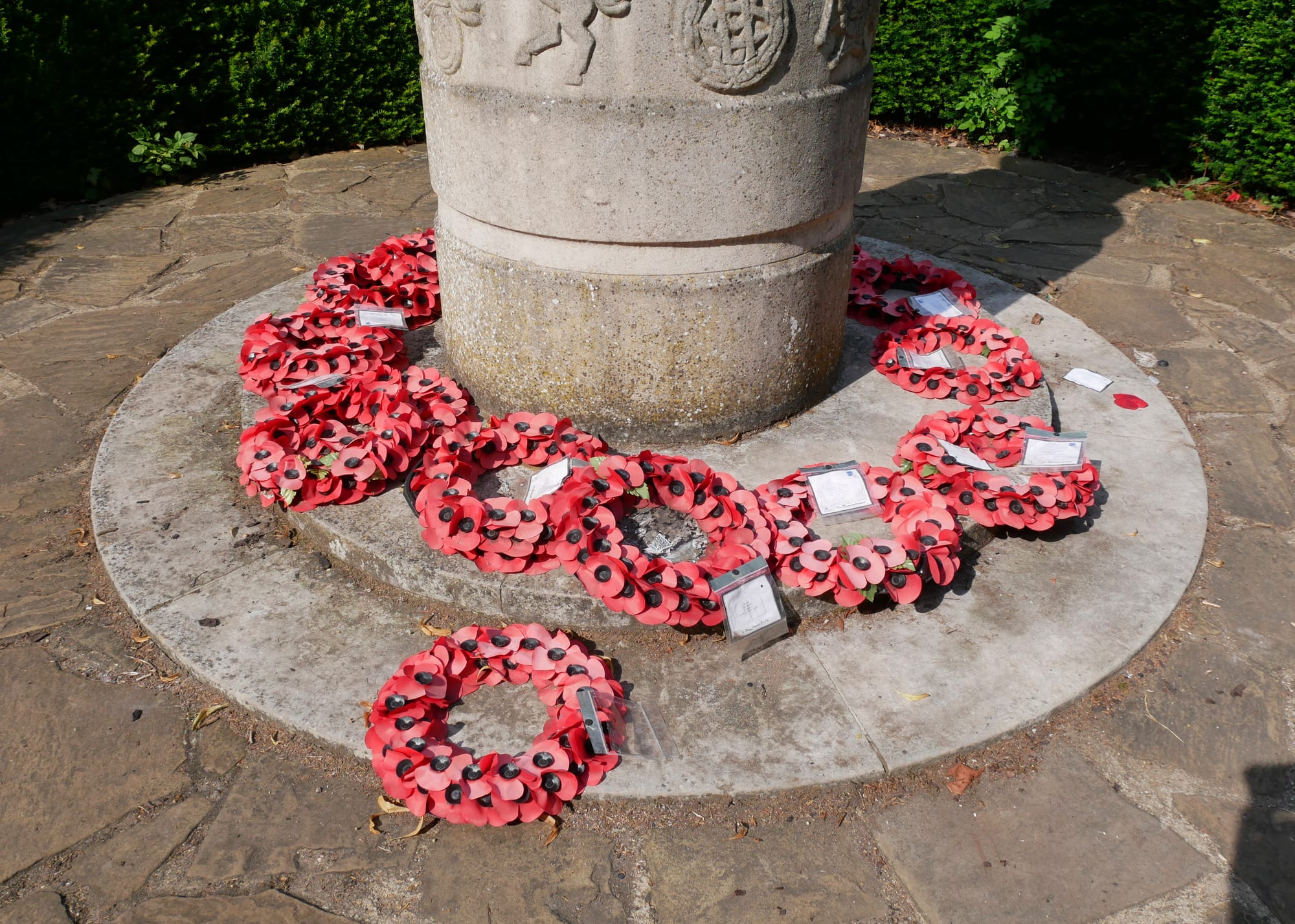
November is also the month of Remembrance. Red paper poppies are worn in the weeks before Remembrance Sunday, the second Sunday of the month, in return for donations to the Royal British Legion's Poppy Appeal, first held in 1921. The flower recalls the poppies that bloomed on the churned-up battlefields of the First World War, immortalised in John McCrae's 1915 poem "In Flanders Fields". On Remembrance Sunday a two-minute silence is observed at eleven in the morning, and wreaths are laid at war memorials across the country. The Legion stresses that wearing a poppy is a personal choice.
Life's milestones have grown more varied. Many couples live together for years before marrying, but marriage remains highly valued, whether in a church or a civil ceremony, and same-sex marriage became legal across the whole UK between 2014 and 2020. Funerals traditionally call for dark, smart clothing, although families increasingly ask mourners to wear bright colours to celebrate a life. They may request charity donations instead of flowers, and the service is usually followed by a wake, a gathering with food and drink at a home, a pub or a hotel, where memories of the person who has died are shared.
Arts, crafts and music
Britain's cultural reach is vast, from Shakespeare and the Romantic poets to the Beatles and a theatre scene among the strongest in the world, but some of its most distinctive traditions are homelier. Pantomime, the family theatre of the Christmas season, grew out of the Italian commedia dell'arte and took its modern shape in the nineteenth century. According to the Victoria and Albert Museum, a law of 1843 freed theatres to add spoken dialogue, opening the way for the puns, wordplay and audience participation that define the form. Its stories are old favourites, among them Cinderella, Aladdin and Dick Whittington. Audiences are encouraged to join in, shouting back at the performers mid-show.
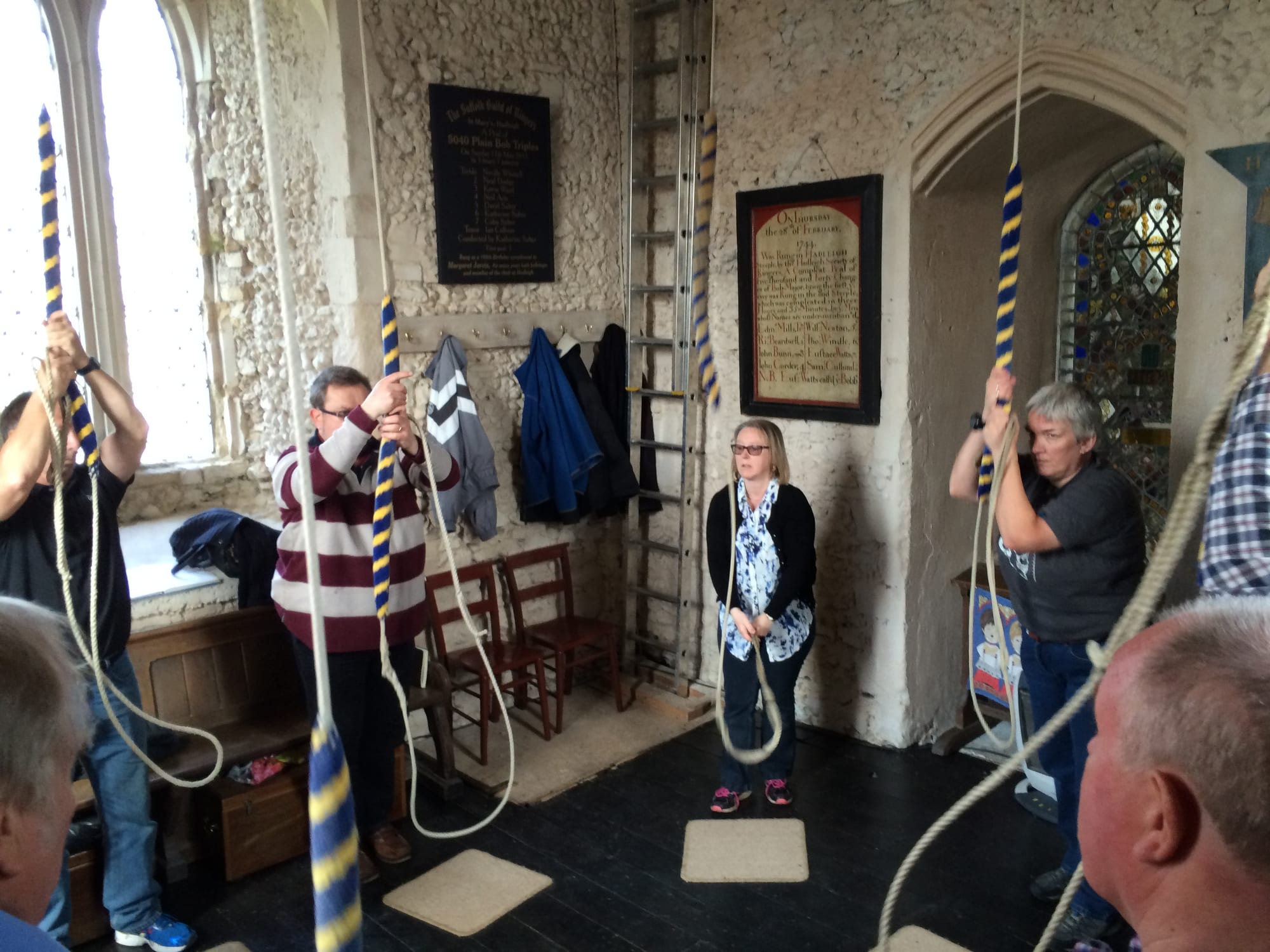
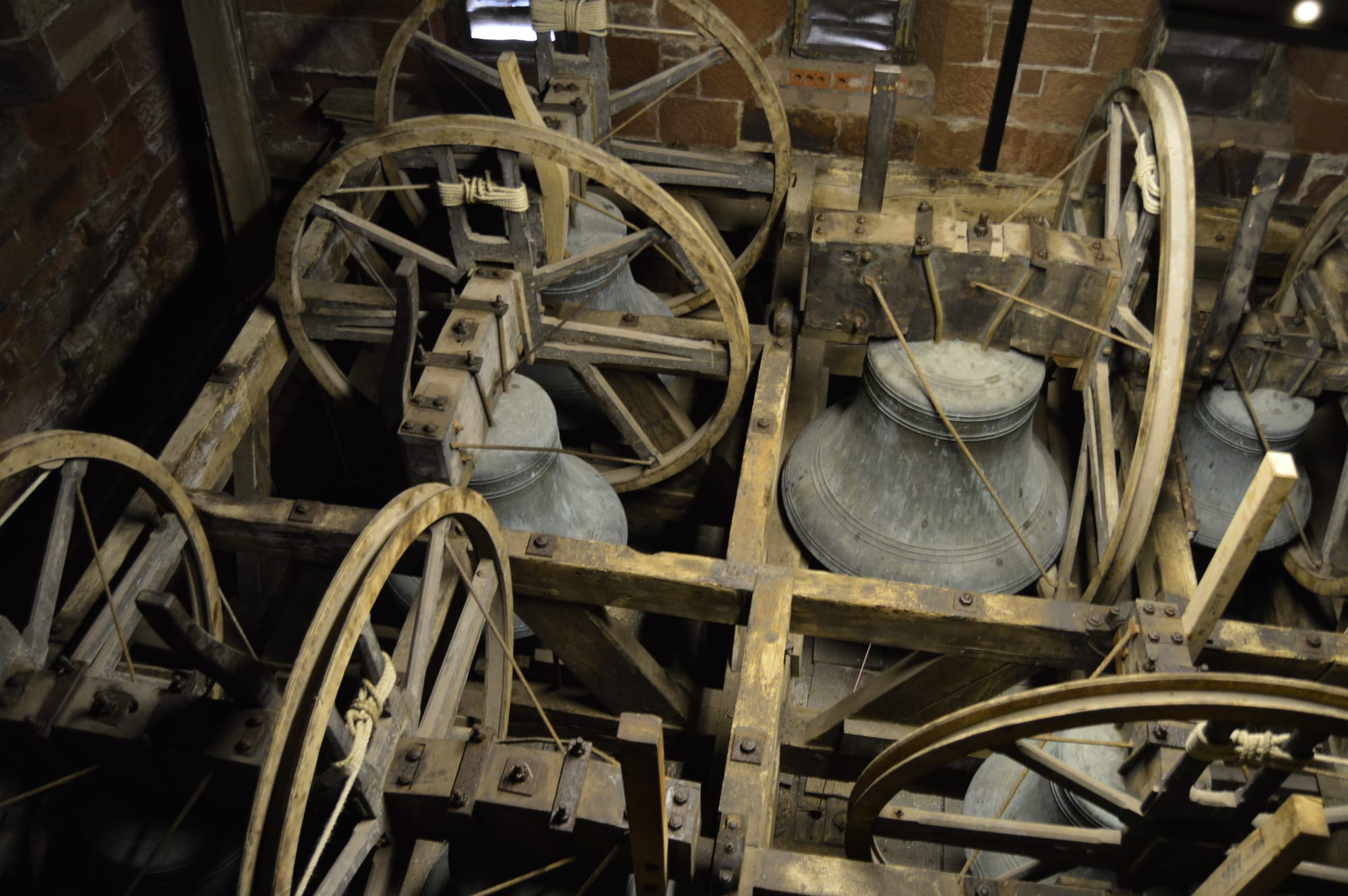
From church towers comes another living art. Change ringing, as Britannica describes it, is the traditional English art of ringing a set of tower bells in an intricate series of mathematical permutations, each bell swung through a full circle and controlled by its own ringer pulling a rope. Sequences called methods, with names such as Double Norwich Court Bob Major, are learned by heart. The Central Council of Church Bell Ringers, founded in 1891, represents ringing societies across the British Isles and beyond. The UK ratified UNESCO's convention on intangible cultural heritage only in March 2024.
Dos and don'ts for visitors
- Do queue patiently and wait for a turn, including at a busy pub bar where the queue is invisible.
- Do say "please" and "thank you" often, and catch staff's eye rather than waving or calling out.
- Do take a turn buying a round when drinking in a group, and don't leave before standing one.
- Do arrange home visits in advance rather than arriving unannounced, and bring a small gift such as wine or chocolates.
- Do acknowledge which of the four nations someone comes from, without stereotypes, and don't assume everyone is English.
- Don't ask new acquaintances about their salary, wealth, weight, age or relationships.
- Don't make the V-sign with the palm facing inwards; it is an insult.
- Do keep a comfortable personal distance and a low-key manner in public, and don't take teasing too seriously.
What to take away
British customs rarely announce themselves, but beneath the understatement lies a steady commitment to fairness and consideration, and a visitor who waits their turn, pays their round and laughs at a gentle tease will fit in remarkably quickly.