💰 Budget
Iberá is one of the more expensive places in the north-east to stay, because the lodges around the village often charge full-board rates that include excursions. Campsites, cabins and simple guesthouses keep costs down, and boat trips are the main extra. Getting in by transfer or four-wheel drive adds to the bill.
- Daily Budget Midrange
- USD 120–220 (guesthouse or lodge, guided boat and walking trips, meals, transfers)
- Daily Budget Shoestring
- USD 40–70 (campsite or simple guesthouse, home-cooked meals, a shared boat trip)
Bring enough cash from Mercedes or Posadas, since cash machines are scarce, and fill the fuel tank in Mercedes.
📅 Best Time to Visit
March to May and August to November are the most comfortable months, warm but not oppressive and good for watching wildlife. Summer, from December to February, brings intense heat, heavy storms and mosquitoes, while winter days are mild and fresh. Heavy rain can make the gravel road hard going in any season.
⏳ Suggested Number of Days
Two or three nights allow time for the long road in and out and for outings on the water at different times of day. Allow a day more for a slower journey or extra time on the water; the weather and the state of the road are what most often change the plan.
- First Visit
- 2–3 days
- With Surroundings
- 3–4 days
🚆 Transportation
The village is small enough to walk, and many visitors never need a vehicle once they arrive. Boat trips, guided walks, horse riding and kayaks are the ways into the wetland. There is no fuel station on the road from Mercedes or in the reserve.
Check road conditions after rain, and drive the gravel roads slowly and by daylight.
🛬 Airport & Station Connections
Mercedes, about 120 km away, is the usual approach: around 80 km of the road is gravel and clay that slows traffic and is easiest in a four-wheel-drive vehicle, and buses take about three hours on some days of the week. From Posadas the drive is about 200 km. Lodges arrange transfers from Posadas or Mercedes.
🚶 Walkability
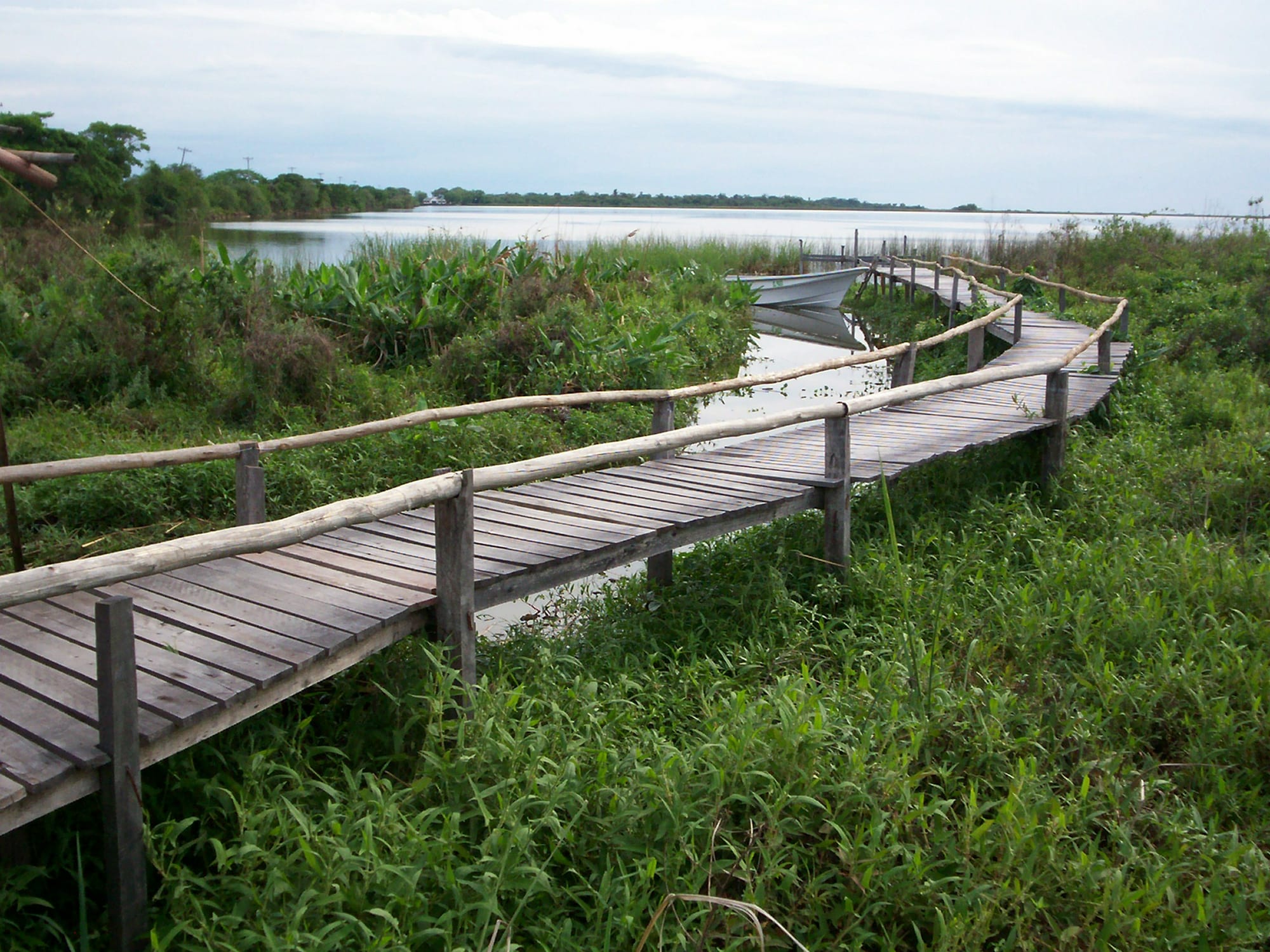
The whole village can be crossed on foot in minutes on flat, sandy streets, and the lagoon shore and campsites are close by. The walk over the bridge to the park's head offices on the far side is easy and popular in the evening. Heat and mosquitoes, not distance, are the limits.
🛡️ Safety
Argentina is relatively safe by regional standards, and violent crime against visitors is uncommon. In Iberá the practical hazards are natural: heat, sun and mosquitoes, with dengue outbreaks in the region in recent years, and caimans in the water. The remote gravel road is the main risk on the way in.
Use insect repellent day and night, carry water, keep a respectful distance from wildlife, and swim only where locals advise. Check current official travel advice before travelling.
🌦️ Climate
Subtropical and humid, prone to storms, with plenty of rain. Summer is December to February, long and very hot; winters are mild, with occasional cold spells and frosts.
- Summer
- hot and humid, averaging about 30°C, with heavy thunderstorms
- Winter
- mild, with days that can be warm and nights that can fall to −2°C, bringing some frosts
🤝 Local Customs
This is the countryside of Corrientes, where Guaraní words fill the local Spanish, chamamé is the music of choice, and people greet strangers in the street. Mate and tereré are shared through the day, and the long midday rest is respected.
Leaving around 10 per cent is customary where service is given. Ask before photographing residents, and follow guides' instructions on keeping distance from animals.
💳 Common Payment Methods
The currency is the Argentine peso. Lodges take cards, but small shops, guesthouses, boat operators and campsites often prefer cash, and cash machines in the village are scarce. Bring enough pesos, and some clean US dollar notes, from Mercedes or Posadas.