💰 Budget
Bodh Gaya is cheap outside the pilgrimage season and can be surprisingly tight in it. Monastery guesthouses and simple hotels cost very little, and meals are inexpensive; prices and occupancy rise sharply from November to February, and above all when a major teaching is held, when rooms may need to be arranged well in advance.
- Daily Budget Midrange
- USD 40–90 (mid-range hotel, restaurant meals, a car with driver for Rajgir and Nalanda)
- Daily Budget Shoestring
- USD 12–25 (guesthouse or monastery room, thalis and street food, shared autos)
Several monasteries run simple guest accommodation for visitors who keep their rules and hours, which is both the cheapest and the quietest option.
📅 Best Time to Visit
November to February, when the days are mild and the town is at its liveliest with pilgrims, retreats and teachings. March to May is very hot and dusty, with the Falgu riverbed dry; the monsoon from June to September brings humidity and rain but also the quietest weeks at the temple.
⏳ Suggested Number of Days
A day or two covers the temple complex, the monasteries and the village across the river, though many visitors stay far longer to meditate. Three or four days allows the other Buddhist sites of the Magadh plain. Festival and teaching periods need more time for crowds.
- First Visit
- 1–2 days
- With Surroundings
- 3–4 days
🚆 Transportation
The town is small enough to cross on foot, and cycle rickshaws, shared auto-rickshaws and e-rickshaws cover the rest for very little. Autos and buses run the 13 kilometres to Gaya through the day. For the outlying sites, most visitors hire a car with a driver through a hotel or arrange a taxi at the station.
Agree a price before boarding a rickshaw, and settle the full day's rate in advance when hiring a car for Rajgir, Nalanda or the Barabar hills.
🛬 Airport & Station Connections
Gaya, about 13 kilometres north, has the railway junction used by most visitors, with trains from Kolkata, Varanasi, Patna and Delhi. Gaya airport, on the road between the two towns, handles domestic flights and seasonal international services from Buddhist countries during the winter pilgrimage months. Buses and taxis link Gaya with Bodh Gaya constantly, and Patna is about three hours away by road.
🚶 Walkability
Bodh Gaya is a walking town. The temple complex, the market lanes and most of the monasteries lie within a couple of kilometres, and the footbridge over the Falgu leads into the fields on the far side. Pavements are informal and roads dusty, and the heat from March to June limits walking to early morning and evening.
🛡️ Safety
The town is calm and used to foreign visitors, and violent crime against them is rare. Security at the temple complex is tight, with bag checks and restrictions on what may be carried in, following explosions at the site in 2013 in which five people, two of them monks, were injured. Everyday risks are traffic on the Gaya road, stomach upsets, mosquito-borne illness in and after the monsoon, and persistent begging and touting around the temple.
Stick to bottled or filtered water, leave valuables in the room rather than carrying them into temple crowds, and avoid rural roads after dark. Check current official travel advice before travelling.
🌦️ Climate
A subtropical climate with three clear seasons: a hot dry spring, a monsoon from June to September and a cool, dry winter. Northern Bihar's winter fog can delay trains and flights through December and January.
- Summer
- very hot and dry before the rains, often 35–42°C, then humid with monsoon downpours
- Winter
- cool and dry, generally 8–25°C, with cold, foggy mornings
🤝 Local Customs
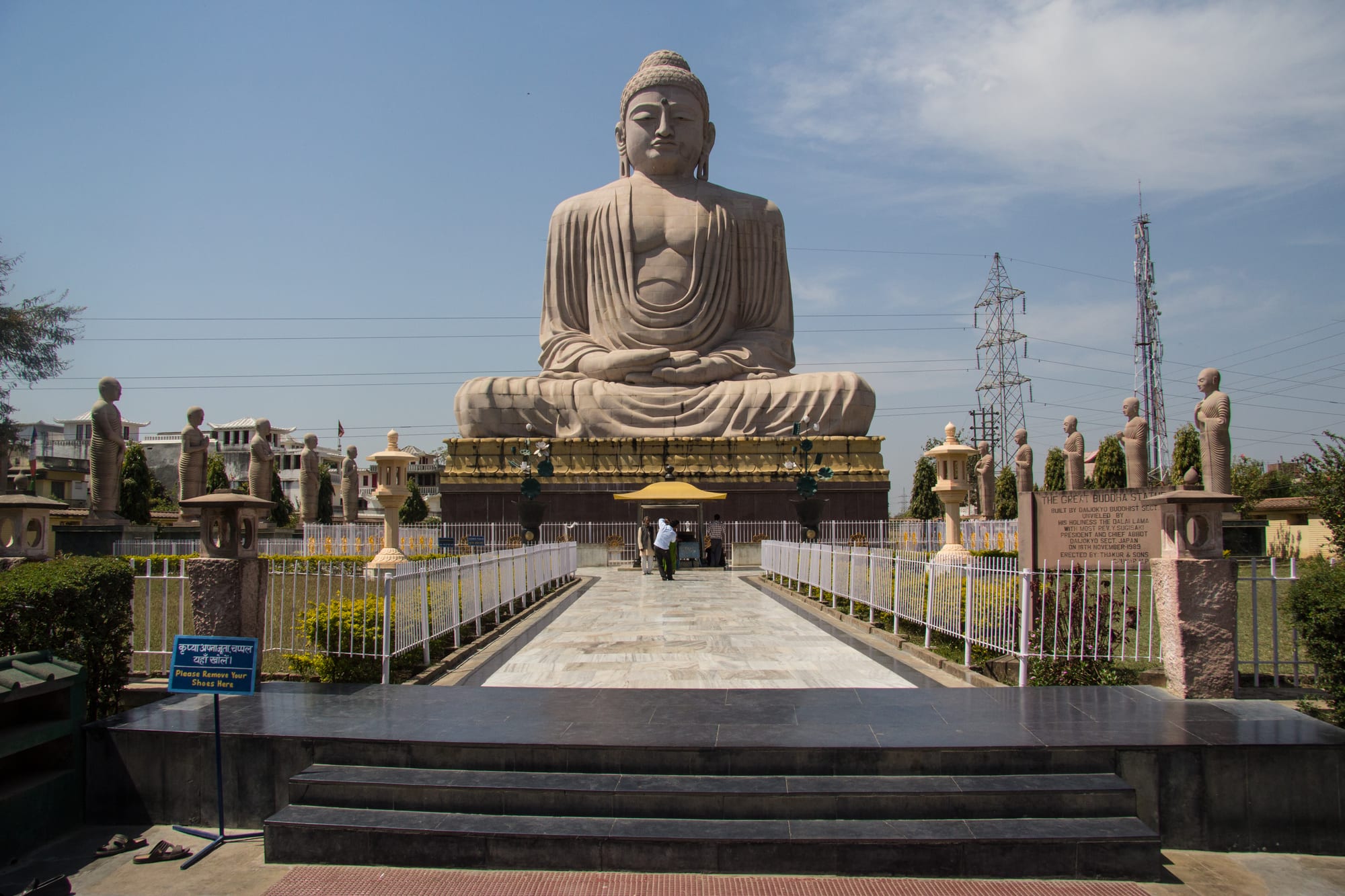
This is a sacred place for Buddhists and the etiquette of the temple complex is taken seriously: shoes are removed at the gate, shoulders and knees covered, voices kept low, and visitors walk clockwise around the temple and the tree. Leaves may not be picked from the Bodhi tree. Mobile phones and cameras are subject to restrictions at the complex, and many people are meditating rather than sightseeing.
Alcohol has been prohibited in Bihar since 2016 and should not be brought into the state; ask before photographing monks, meditators or village people, and step back from groups performing rituals.
💳 Common Payment Methods
The currency is the Indian rupee. Hotels and larger restaurants take cards, and UPI mobile payments are common, but guesthouses, rickshaws, stalls and offerings are cash matters. ATMs are in the town and in Gaya, but they run dry in the busy season, so it is worth carrying enough cash and small notes.